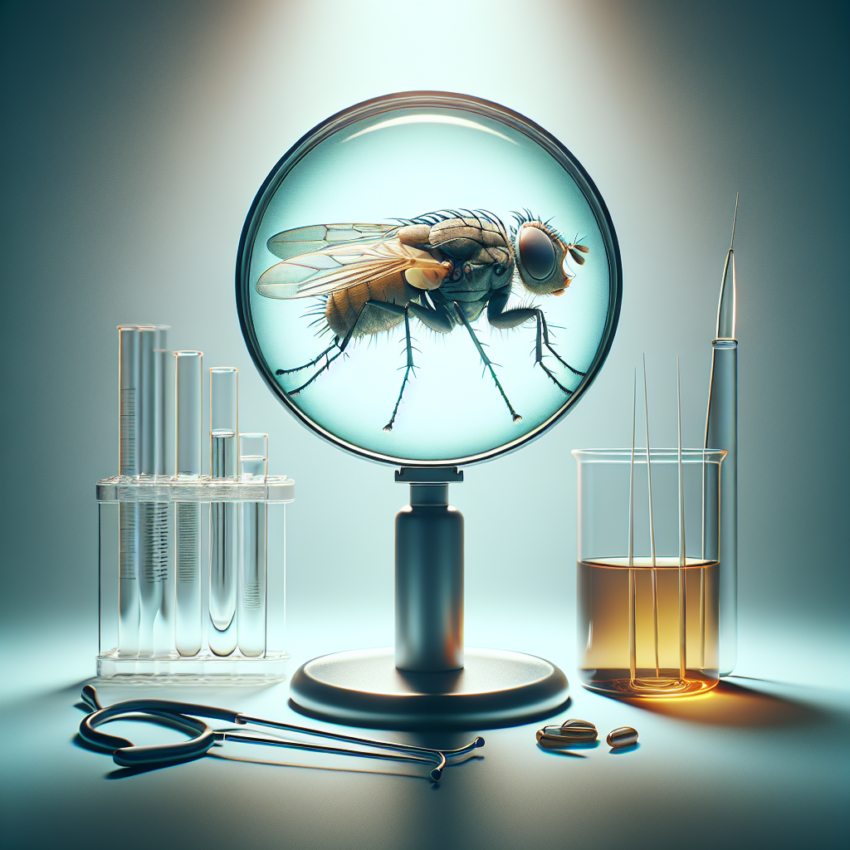
Fruit flies are tiny insects that seem to appear out of nowhere, especially when fruits are left unattended in our kitchens. Understanding where do fruit flies come from can be crucial for effectively managing these persistent pests. These small invaders are primarily attracted to ripe or decaying fruits, and other organic materials, where they lay their eggs and rapidly reproduce.
Where Do Fruit Flies Come From?
Fruit flies can often become a nuisance in homes, restaurants, and grocery stores. They generally enter our living spaces through open doors or windows, or they might hitch a ride on fruits and vegetables brought home from the market. Their small size allows them to access even the tiniest of openings, making them quite difficult to keep out completely.
The Lifecycle and Environmental Preferences of Fruit Flies
Fruit flies undergo a rapid life cycle that allows their population to increase swiftly. From eggs to larvae and then to adults, the entire process takes about a week under optimal conditions, such as warm temperatures and the availability of fermenting food.
These flies thrive in environments where there is fermenting or decomposing organic material, which is why they are commonly found near overripe fruits, vegetables, and other organic waste. Cleaning up food residues and keeping the kitchen area tidy can help reduce their numbers.
Signs of Fruit Fly Infestation
One of the first signs of a fruit fly problem is the appearance of tiny insects buzzing around fruits or near the sink and trash cans. You may also notice fruit flies congregating near drains, garbage disposals, and anywhere food is allowed to rot or decay.
Given their rapid reproduction, addressing the issue promptly is important to prevent a full-blown infestation. Seemingly innocuous, a few fruit flies can quickly become a major issue if overlooked.
Prevention and Removal Strategies
To prevent fruit flies, maintain cleanliness in areas where food is stored or disposed of. Regularly disposing of garbage, cleaning recycling bins, and storing ripe fruits in the refrigerator can deter these pests.
For removal, traps can be set using a mixture of apple cider vinegar and dish soap, creating an effective lure that drowns the fruit flies that are attracted to the scent. Alternatively, eliminating breeding areas by cleaning drains can also help reduce their numbers.
If you find yourself dealing with unwanted household visitors, an array of natural methods and remedies, such as the use of essential oils, can be explored for more holistic pest control. You can learn more about such approaches in our article on natural remedies for everyday problems.
Fruit Fly Behavior and Habitats
Fruit flies are drawn to the scent of fermenting materials, which helps them locate suitable places to breed. Their small size allows them to quickly spread through multiple rooms, making it crucial to address infestations promptly. Cleaning surfaces, especially around places where food is prepared and disposed of, helps prevent fruit fly invasions.
Understanding where do fruit flies come from is essential in managing and preventing infestations. Being proactive can help maintain an environment less inviting to these persistent pests.
- Fruit flies are attracted to ripe and fermenting fruits/organic materials.
- They enter homes through small openings or by hitching rides on groceries.
- Cleaning and proper food storage are key to prevention.
- Natural remedies and traps can effectively control infestations.
- Quick action is critical due to their fast reproduction cycle.
How do fruit flies reproduce?
Fruit flies lay their eggs on surfaces of fermenting foods or organic materials. The eggs hatch into larvae, which then develop into adult flies, completing their lifecycle in about a week under optimum conditions.
What attracts fruit flies the most?
Fruit flies are primarily attracted to the scent of ripe or fermenting fruits, vegetables, and other organic waste. They can also be drawn to damp places like sinks and trash areas.
Can fruit flies be harmful?
While fruit flies are more of a nuisance than a direct health threat, they can carry bacteria from breeding sites, potentially contaminating food and surfaces.
How can I prevent fruit flies?
Prevent fruit flies by maintaining cleanliness, storing ripe fruits in the fridge, using sealed containers, and disposing of waste regularly.
What is an effective way to trap fruit flies?
An effective trap can be made using a small bowl of apple cider vinegar with a few drops of dish soap, attracting and drowning the fruit flies.