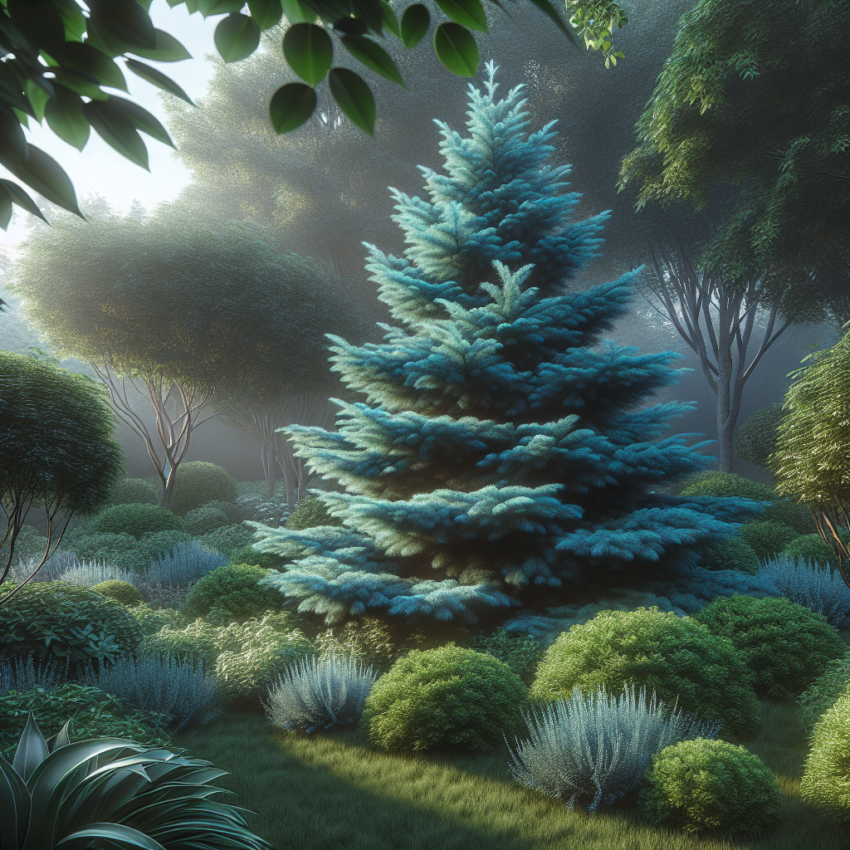
The blue star juniper is an exceptional addition to any garden, offering unique aesthetics and ease of maintenance. Known for its dense, blue-grey foliage and soft texture, this dwarf evergreen shrub is a favorite among landscapers and homeowners alike. Whether you’re looking to enhance a rocky landscape or seeking a reliable plant for borders or hedging, the blue star juniper provides a visually appealing solution that requires minimal care.
Characteristics of the Blue Star Juniper
The blue star juniper, botanically recognized as Juniperus squamata ‘Blue Star’, is celebrated for its striking color and compact growth. This slow-growing shrub typically reaches a height of one to three feet and spreads up to three feet wide. Its needle-like foliage is densely packed, creating a starry effect that shines in any garden setting. The plant’s vibrant color remains consistent throughout the year, making it an attractive choice for evergreen appeal.
How to Plant Blue Star Juniper
When planting the blue star juniper, it is essential to choose a location that receives plenty of sunlight. The shrub thrives in full sun but can tolerate partial shade. Ensure that the soil is well-draining, as junipers are susceptible to root rot when exposed to overly wet conditions.
To plant, dig a hole twice as wide and slightly deeper than the root ball. Position the blue star juniper in the hole, ensuring the top of the root ball is level with the soil surface. Backfill the hole with soil and water thoroughly to eliminate air pockets. For comprehensive guidance on setting up irrigation systems that complement your plantings, consider exploring this guide to irrigation installation systems.
Maintaining Your Blue Star Juniper
Once established, the blue star juniper requires minimal maintenance. Watering should be consistent during the first year to help establish a healthy root system. Afterward, the plant is quite drought-tolerant. Trim the juniper lightly in early spring if necessary, to maintain its shape and encourage new growth.
Mulching around the base can help retain moisture and suppress weeds. Be cautious not to pile mulch directly against the trunk to prevent disease. Fertilization is rarely needed but if desired, use a balanced fertilizer in the early spring to enhance foliage color and growth.
Uses of Blue Star Juniper in Landscaping
Due to its compact size and unique coloration, the blue star juniper can be creatively used in various landscaping scenarios. Whether lining a pathway, accentuating a rock garden, or adding depth as a ground cover, this versatile shrub can fit almost anywhere in your landscape design.
Homeowners often utilize blue star junipers in mixed borders, alongside flowering perennials, or in containers to accentuate patios and other outdoor living spaces. Their ability to withstand both urban pollution and deer browsing only adds to their popularity.
Benefits of Blue Star Juniper
The blue star juniper offers several benefits beyond its visual appeal. It acts as a natural erosion control plant due to its dense growth habit and can help stabilize slopes. Its evergreen nature means it provides year-round interest, and its resistance to most pest and disease problems makes it a low-maintenance choice for busy homeowners.
By attracting beneficial insects, blue star junipers can contribute positively to your garden’s biodiversity. And given their tolerance of different soil types and conditions, these shrubs are a smart pick for gardeners looking for hardy, reliable plants.
Potential Concerns and Considerations
While the blue star juniper is relatively trouble-free, there are a few considerations to keep in mind. Overwatering or planting in poorly drained soil can lead to issues such as root rot. Additionally, although relatively pest-free, occasionally, spider mites can be an issue; regular monitoring and treatment with horticultural oils or insecticidal soaps can mitigate these pests.
For those with limited gardening experience, the ease of care associated with blue star junipers makes them an ideal ‘beginner plant’, offering satisfaction without the complexity sometimes associated with other plant species.
Conclusion: Why Choose Blue Star Juniper for Your Garden?
Incorporating the blue star juniper into your garden design offers an array of advantages. Its year-round color, adaptability, and low maintenance make it an ideal choice for anyone looking to enhance their landscape with manageable, yet stunning, greenery. Whether you’re a seasoned gardener or just getting started, the blue star juniper is definitely worth considering for its aesthetic beauty and functional benefits.
For more information on the blue star juniper and related topics, you might find this Wikipedia article on juniper species helpful.
- The blue star juniper is admired for its distinctive color and small size.
- It requires full sun and well-drained soil for optimal growth.
- Low maintenance, with drought tolerance once established.
- Can be used creatively in various landscaping designs.
- Offers year-round beauty and erosion control benefits.
What care does the blue star juniper require?
The blue star juniper requires minimal care post-establishment, thriving in full sun with well-drained soil. Regular watering is crucial in the first year but decreases as the plant matures. Pruning is not typically necessary unless to shape or control growth.
Can blue star juniper be grown in containers?
Yes, the blue star juniper adapts well to container growth, provided the container has adequate drainage and the plant receives sufficient sunlight.
Is the blue star juniper resistant to pests?
While generally pest-resistant, the blue star juniper may occasionally encounter problems with spider mites. Regular inspection and prompt action can prevent significant damage.
How fast does a blue star juniper grow?
The blue star juniper is a slow-growing shrub, expanding by approximately 2 to 4 inches annually. Patience is required, but the plant’s mature form is well worth the wait.
What are the recommended uses for blue star juniper?
Blue star juniper is popular in rock gardens, mixed borders, as ground cover, and in container plantings. Its unique color and texture make it a versatile option for enhancing various garden styles.