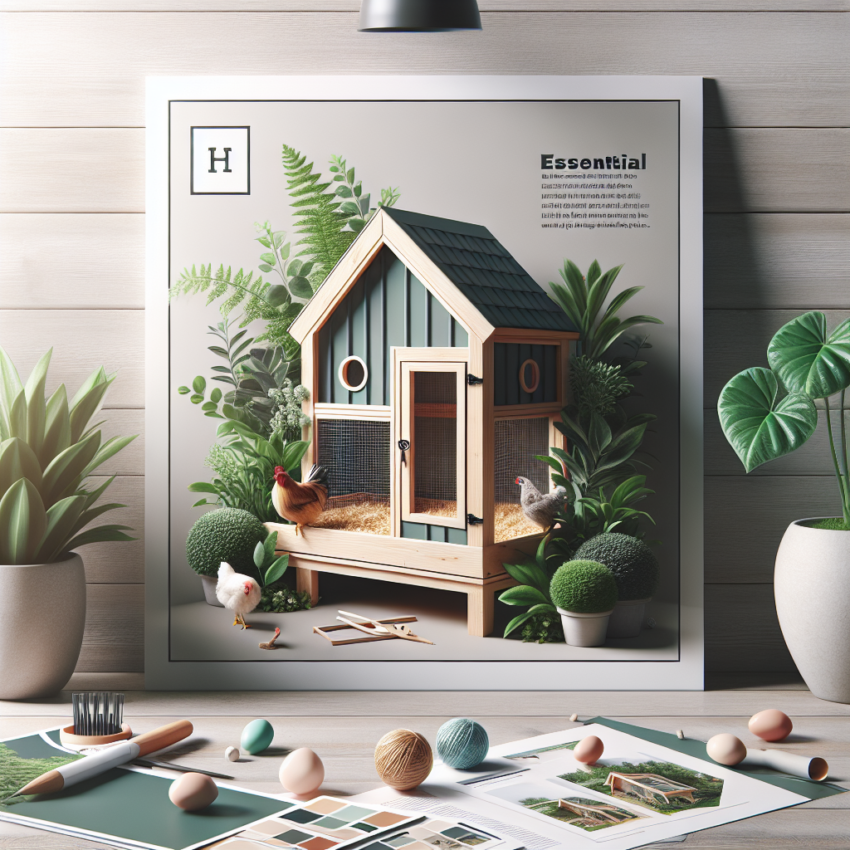
Designing the perfect chicken coop for small chickens is a rewarding endeavor that keeps your feathered friends safe, cozy, and productive. When you think about building a chicken coop for small chickens, it’s crucial to consider everything from size and layout to predator protection and ease of maintenance. This article guides you through crafting a comfortable living space that meets the unique needs of smaller breeds, ensuring they thrive in their environment.
Designing the Perfect Chicken Coop for Small Chickens
Creating a chicken coop for small chickens involves some specific considerations that you might not encounter with larger breeds. These petite birds require a space that accommodates their size without compromising comfort, security, or access to the essentials like food and water.
Consider the Size and Layout
Small chickens, such as bantams, are often more agile and require a coop that provides ample room for movement. A good rule of thumb is to allow for 3-4 square feet per bird inside the coop. Consider adding roosting bars that sit a bit lower to accommodate their jumping ability. The layout should be simple, with nest boxes set at a suitable height and easily accessible from inside the coop.
Ensure Adequate Ventilation
Proper ventilation is vital in any chicken coop to maintain air quality and prevent respiratory issues among your flock. Poor ventilation can lead to a buildup of ammonia and humidity, which can be harmful. Include windows that can be opened in warmer weather. If possible, cover these windows with mesh to keep pests out while allowing fresh air to flow through.
Provide Comfortable Nesting Boxes
Nesting boxes are crucial as they give chickens a place to lay eggs comfortably. For small chickens, smaller nesting spaces with low entry heights will suffice. Ensure these boxes are filled with clean, dry bedding, such as straw or pine shavings, which can help keep the eggs clean and provide your chickens with a comfortable laying space.
Security Against Predators
Predator-proofing your coop is essential to protect your chickens. Small chickens can be more vulnerable due to their size. Use sturdy latches on doors and opt for welded wire mesh instead of chicken wire to prevent predators from breaking in. Additionally, ensure there are no gaps or holes in the walls, roof, or floor of the coop, as determined creatures can exploit these as entry points.
Ease of Maintenance
Regular cleaning is crucial to keeping your chickens healthy. Design your coop for easy access and maintenance by including features like removable perches, slide-out trays for manure collection, and doors wide enough for you to enter with cleaning tools. Ensuring ease of access will make maintaining a clean environment much simpler.
Access to Essential Resources
Small chickens, like all chickens, need consistent access to fresh water and nutritious feed. Inside the coop, place waterers and feeders at a height that’s comfortable for smaller chickens to reach. Check these resources regularly to ensure they are always available and free from contamination.
For those seeking more information about managing the overall health and comfort of your pets in various settings, consider exploring ways to enhance animal welfare indoors and out.
Consideration for Climate and Weather
Your local climate will significantly influence the materials and design of your coop. In colder regions, consider adding insulation to the coop walls and roof to help keep your chickens warm. Conversely, in hotter climates, additional ventilation and shaded areas are essential to keep your birds from overheating. Incorporating features like adjustable windows or a small fan can help control the temperature inside the coop.
Expansion and Adaptability
As your flock grows, you may want to expand your coop. Consider designing your initial chicken coop with extensions in mind. Modular designs or attaching runs can give your small chickens the extra space they may need as they thrive and potentially increase in number.
Enhancing the Outdoor Run
Alongside a secure coop, providing a safe outdoor run will allow your chickens to enjoy the outdoors while staying protected from predators. Consider using a wire roof over the run to protect from birds of prey. Ensure there’s plenty of shade and a few obstacles or perches where your chickens can explore and roost during the day.
By attending to the specific needs of a chicken coop for small chickens, you ensure a thriving and healthy environment for your feathered friends. Adapting your space based on these recommendations not only promotes the health of your chickens but can foster a more productive egg-laying cycle.
For more comprehensive data on raising chickens, consider visiting this resource on chicken health and maintenance.
- Small chickens require a coop with sufficient space and low roosts.
- Ventilation helps maintain a healthy environment inside the coop.
- Predator-proof your coop to keep your chickens safe.
- Design with ease of maintenance and accessibility in mind.
- Consider local climate conditions when designing your coop.
What size should a coop be for small chickens?
Ideally, a coop should offer 3-4 square feet per small chicken inside the coop. This ensures they have enough space to move comfortably and reduces stress.
How can I predator-proof a chicken coop?
Use welded wire mesh instead of chicken wire and ensure all doors and openings are securely fitted with latches. Regular inspections for gaps or weak spots can further enhance security.
What materials are best for nesting boxes?
Nesting boxes should be lined with straw or pine shavings. These materials provide comfort and cleanliness for egg-laying purposes.
How often should a chicken coop be cleaned?
A general practice is to perform a deep clean of the coop at least once every two weeks. Regular spot cleaning can help maintain hygiene between these deep-clean sessions.
Do small chickens need special feed?
Smaller chickens typically thrive on high-quality layer feed, similar to other chickens. However, ensure the feed is easily accessible to them based on their size and eating habits.