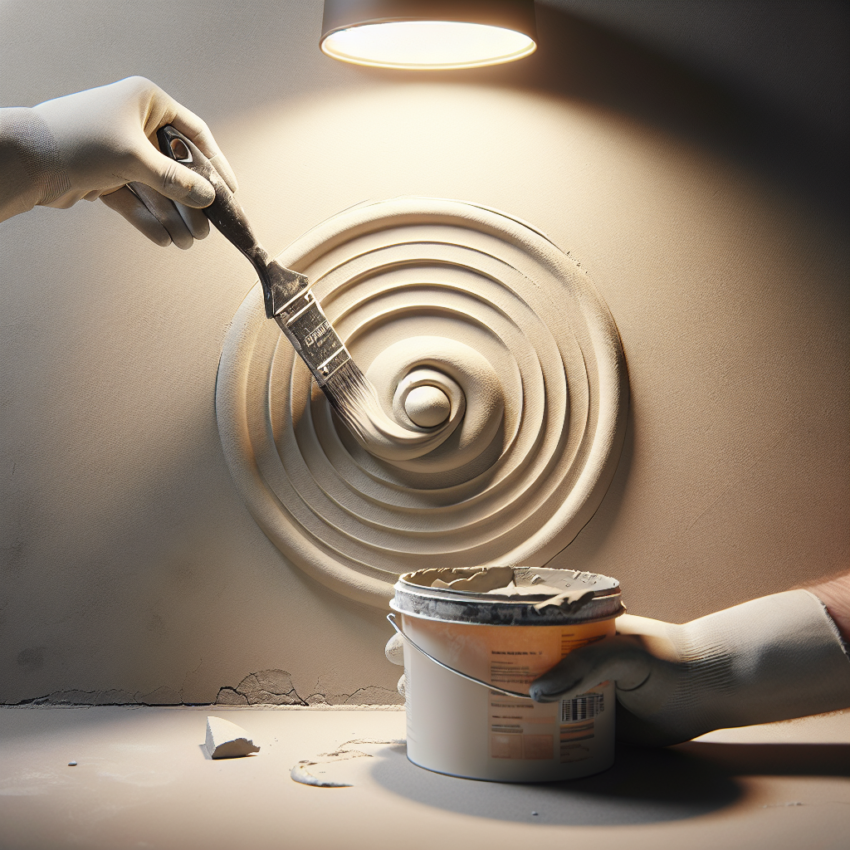
Drywall joint compound is an essential component in home renovations, providing the smooth, seamless walls that form the canvas of your interior design. Whether you are patching up small holes or setting the stage for a complete room makeover, understanding the nuances of this versatile material is crucial. This article aims to guide both novices and seasoned DIY enthusiasts through the process of mastering drywall joint compound for flawless home improvement projects.
Understanding Drywall Joint Compound
Drywall joint compound, often referred to as “mud,” is used to cover seams between sheets of drywall and to smooth over nail or screw indentations. The compound comes in various forms, including premixed, lightweight, and setting-type, each suited for specific tasks. Premixed compounds are user-friendly and ideal for beginners, while setting-type compounds dry harder and faster, making them suitable for large projects or high-moisture areas.
Types of Drywall Joint Compound
Understanding the different types of drywall joint compound is key to selecting the right product for your project:
- All-Purpose: Versatile and easy to use, perfect for most applications.
- Lightweight: Easier to sand and less prone to cracking, best for finishing coats.
- Setting-Type: Fast-drying for quick turnarounds, ideal for deep fills.
Steps to Apply Drywall Joint Compound
Applying drywall joint compound involves a few straightforward steps. Begin by gathering your tools: a taping knife, mud pan, sandpaper, and a sanding block. Here’s how to achieve a professional finish:
Step 1: Preparation
Before applying the drywall joint compound, ensure the drywall surface is clean and free from dust or debris. Use a damp cloth to wipe down the area.
Step 2: Tape the Seams
Apply drywall tape over all seams. Use paper tape for durability or mesh tape for ease of use. The tape acts as a reinforcement to prevent cracking along the joints.
Step 3: Apply the Compound
Using your taping knife, apply a thin layer of drywall joint compound over the tape. Smooth out the compound, extending it slightly beyond the edge of the tape. Allow it to dry completely.
Step 4: Sand the Surface
Once the compound is dry, sand the surface smoothly using fine sandpaper. Be cautious not to sand too much and expose the tape underneath.
Step 5: Repeat
Apply additional layers of compound as needed, sanding between each layer until the surface is even and smooth. Generally, two to three coats are sufficient.
Common Mistakes to Avoid
Even seasoned DIYers can make mistakes when working with drywall joint compound. Avoid these pitfalls for a polished result:
- Avoid applying too much compound in one coat; this can lead to cracking.
- Do not rush the drying process. Ensure each layer is completely dry before proceeding to the next.
- Take care with sanding to maintain the integrity of the surface.
Final Tips for Success
Successful application of drywall joint compound hinges on patience and attention to detail. Practice on a smaller area if you are new to this process. Additionally, never underestimate the importance of a clean work area to prevent dust and debris from interfering with your project.
For those interested in further home improvement projects, you might explore cost considerations for resurfacing a concrete driveway as another way to enhance your home’s appeal.
Resources
For additional resources on home renovation techniques and materials, the Wikipedia page on drywall offers an excellent overview and further insights.
Mastering drywall joint compound can elevate the quality of your home renovations, providing a smooth, professional appearance that is bound to impress. With a little practice and the right techniques, the perfect finish is within your grasp.
- Understand the different types of joint compound for your project needs.
- Follow a step-by-step process for application and drying.
- Avoid common errors to achieve a professional finish.
- Use resources for additional home improvement ideas.
Frequently Asked Questions
What is drywall joint compound used for?
Drywall joint compound is used to seal joints between sheets of drywall and to smooth over nail or screw indentations, creating a seamless surface for painting or other finishes.
How long does it take for joint compound to dry?
Drying time can vary depending on the type of compound used and environmental conditions. Premixed compounds generally take 24 hours to dry, while setting-type compounds can dry in as little as 20 minutes.
Can I paint directly over drywall joint compound?
Yes, but it is advisable to apply primer first. Primer helps to even out the surface texture and improves paint adhesion, resulting in a smoother, more durable finish.
Why is my drywall joint compound cracking?
Cracking can occur if too thick a layer is applied at once or if the compound isn’t allowed to dry completely between coats. Make sure to apply thin, even layers and follow drying instructions.
Do I need special tools to apply drywall joint compound?
Basic tools such as a taping knife, a mud pan, and sandpaper are essential. While not necessary, having a drywall sander or a corner applicator can make the job easier and more efficient.