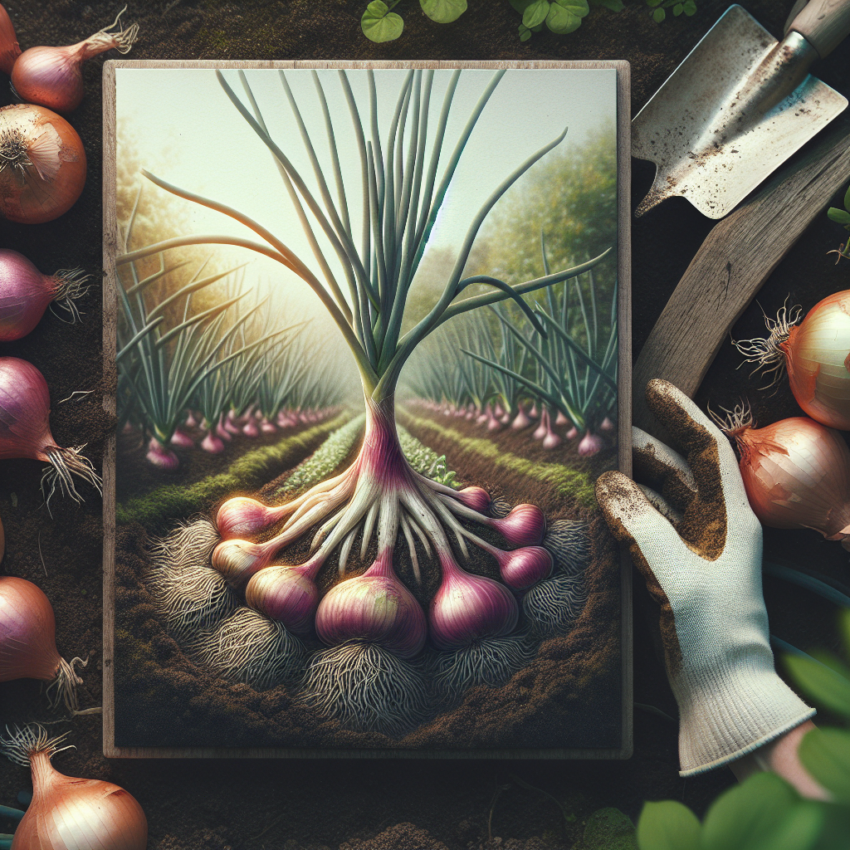
When considering how to cultivate onion successfully, there are several essential factors to keep in mind. Onions are a staple in many kitchens around the world, and growing them in your home garden can be both rewarding and cost-effective. This guide will provide you with the necessary steps and tips to help you achieve a bountiful onion harvest.
How to Cultivate Onion: Preparing Your Garden
To begin your onion-growing journey, select a well-drained area with full sun exposure. Onions thrive in loamy soil, which should be fertile and enriched with organic matter. Consider testing your soil to determine its pH level; onions prefer a slightly acidic to neutral pH between 6.0 and 7.0.
Before planting, remove any weeds and rocks from the garden bed. You can improve soil fertility by mixing in aged compost or well-rotted manure. This step ensures that the onions have access to essential nutrients they need for optimal growth.
Planting Onion Seeds and Sets
Onions can be planted in two primary ways: by using seeds or onion sets. If planting from seeds, start them indoors about 8-10 weeks before the last expected frost date. Sow the seeds about a quarter of an inch deep in seed trays and keep them in a warm place. Once the seedlings reach about 2-3 inches tall, they are ready to be transplanted outdoors.
Alternatively, onion sets, or small pre-grown onion bulbs, offer a quicker start. Plant onion sets about one inch deep and 4-6 inches apart in rows spaced 12-18 inches apart. This method is generally less time-consuming and a preferred choice for many gardeners.
Watering and Fertilization
Onions have shallow root systems, making consistent watering crucial, especially during dry spells. Aim to provide 1-2 inches of water per week. Proper irrigation is key for a successful yield. For detailed irrigation tips, check out our guide on efficient irrigation installation systems.
Fertilize onions with a balanced fertilizer rich in nitrogen. Apply the fertilizer at the beginning of the growing season and again when the onions reach the size of a marble. Avoid over-fertilizing, as it can lead to excessive foliage growth at the expense of bulb development.
Dealing with Pests and Diseases
Pests such as onion maggots, thrips, and aphids can pose significant threats to your onion crop. Companion planting with other crops like carrots or marigolds can naturally deter some pests. Ensure you monitor your plants regularly and use organic pesticides only as a last resort.
Fungal diseases like downy mildew or white rot can also affect onions. Prevent these by practicing crop rotation and ensuring proper plant spacing for air circulation.
Harvesting and Storing Onions
Onions are ready to harvest when their tops begin to yellow and fall over. Carefully lift them from the soil and let them cure in a warm, dry place with good ventilation for a few weeks. This curing process toughens their outer skins, allowing for better storage.
Store cured onions in a cool, dry area, ideally in mesh bags or slatted crates. When properly cured, onions can last for several months, providing you with fresh produce throughout the winter.
Final Thoughts on How to Cultivate Onion
Learning how to cultivate onion requires attention to detail and patience, but with these tips, you can achieve a successful harvest. The process from planting to storage involves careful management of soil, watering, and pest control, resulting in a rewarding experience for any home gardener.
- Onions grow best in well-drained, fertile soil with a pH of 6.0-7.0.
- Water consistently, especially during dry spells, to support shallow root systems.
- Utilize crop rotation and companion planting to ward off pests and diseases.
- Cure onions properly before storage to prolong shelf life.
- Harvest onions when their tops fall over and begin to turn yellow.
What is the best time to plant onions?
The best time to plant onions is in early spring when the soil is workable, and temperatures are still cool. For some varieties like overwintering onions, planting in autumn can yield great results.
Can I grow onions in containers?
Yes, onions can be grown in containers as long as there is sufficient depth for the roots, and the container has good drainage. Ensure the container is placed in a sunny location for best growth.
How deep should I plant onion sets?
Onion sets should be planted about one inch deep in the soil, with the pointed end facing up and the top slightly exposed to facilitate growth.
What are common onion pests, and how can I manage them?
Common pests include onion maggots, thrips, and aphids. Companion planting and regular monitoring can help manage these pests organically.
How do I know when my onions are ready to harvest?
Onions are ready to harvest when their tops have yellowed and fallen over. Allow the bulbs to cure in a well-ventilated space before storage.
For further reading on this topic, you may visit this Wikipedia page about onions.