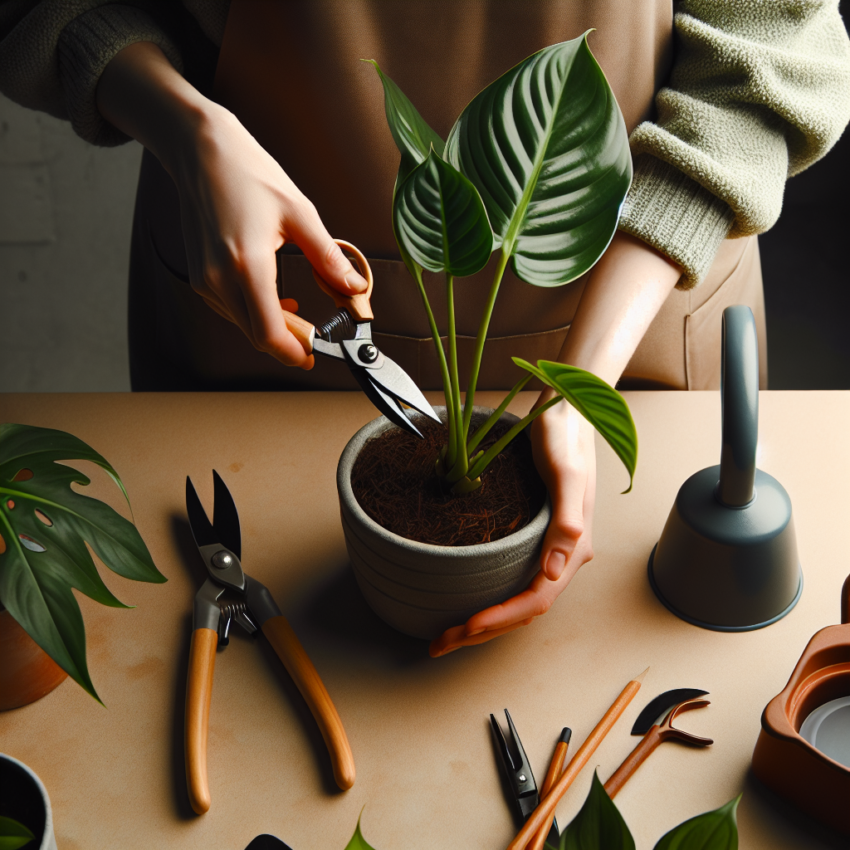
If you’re a plant enthusiast, you might have come across the beautiful and versatile philodendron plant. Known for its lush, green leaves and easy maintenance, the philodendron is a popular choice among houseplant lovers. Understanding the care needed is crucial to keeping your philodendron healthy and vibrant.
Understanding the Philodendron Plant
Philodendrons are native to the tropical regions of the Americas and belong to the Araceae family. These plants are highly adaptable, making them a favorite for both beginners and experienced gardeners. With more than 400 species, philodendron plants come in various shapes and sizes, from the vining heartleaf to the upright Xanadu.
Care Tips for Your Philodendron
Light Requirements
Philodendrons thrive in moderate to bright indirect sunlight. While they can adapt to lower light conditions, it’s important to avoid direct sunlight, which can scorch the leaves. Positioning your philodendron near a window with filtered light is ideal.
Watering Guidelines
These tropical plants prefer moist soil but are susceptible to root rot if overwatered. Allow the top inch of soil to dry out between waterings. In the growing season, which is spring and summer, you may need to water more frequently. During the dormant months of winter, reduce watering.
Humidity and Temperature
Philodendrons enjoy high humidity levels, which mimic their natural habitat. If your home is dry, consider misting the leaves or placing a humidifier nearby. These plants prefer temperatures between 65°F and 80°F, so avoid placing them near drafts or heating vents.
Soil and Potting
A well-draining potting mix is essential for maintaining the health of your philodendron plant. A mixture of peat, perlite, and pine bark is ideal. When repotting, choose a container with drainage holes to prevent water buildup.
Fertilizing Your Philodendron
To support growth, fertilize your philodendron every month during the growing season with a balanced, water-soluble fertilizer. Reduce feeding in the fall and winter months when the plant’s growth naturally slows down.
Common Issues and Solutions
Pests
Philodendrons are relatively pest-resistant, but they can sometimes attract spider mites, scale, and mealybugs. Regularly check the undersides of leaves and treat pests with insecticidal soap if necessary.
Yellowing Leaves
Yellow leaves can indicate overwatering or poor drainage. Ensure your plant is not sitting in water and adjust your watering schedule. If yellowing persists, consider checking the roots for rot.
Browning Tips
Browning leaf tips can be a sign of low humidity or too much direct sunlight. Increase humidity and move your plant to a spot with diffused light to resolve the issue.
Enhancing Your Space with Philodendrons
Philodendrons are not only easy to care for but also enhance the aesthetic of any room. Their lush foliage can bring a tropical feel to your home, complementing various decor styles. For ideas on incorporating plants into your living space, consider reading our guide on home decor trends.
Whether you’re looking to add a touch of green to your living room or seeking a plant that’s forgiving if you forget to water occasionally, the philodendron plant can be a wonderful addition to your collection. For more detailed information on plant care, visit Wikipedia’s philodendron page.
Takeaways
- Philodendrons are versatile and easy to care for, making them great for beginners.
- These plants thrive in bright, indirect sunlight and high humidity.
- Avoid overwatering; allow soil to dry out between waterings.
- Common issues include pests and yellowing leaves, usually due to water stress.
- Enhance your home with their lush foliage for a tropical look.
Frequently Asked Questions
What kind of light do philodendron plants need?
Philodendrons prefer bright, indirect light but can adapt to lower light conditions. Avoid direct sunlight to prevent leaf burn.
How often should I water my philodendron?
Water your philodendron when the top inch of soil has dried out. This typically means once a week, but adjust based on humidity and light conditions.
Can philodendron plants grow outdoors?
In tropical or subtropical climates, they can thrive outdoors in shaded areas. Avoid placing them in direct sun or cold temperatures.
How do I deal with pests on my philodendron?
Regularly check for pests like spider mites or mealybugs and treat promptly with insecticidal soap to keep your plant healthy.
What type of soil is best for philodendron plants?
A well-draining potting mix is crucial. A combination of peat, perlite, and pine bark works well to prevent root rot.