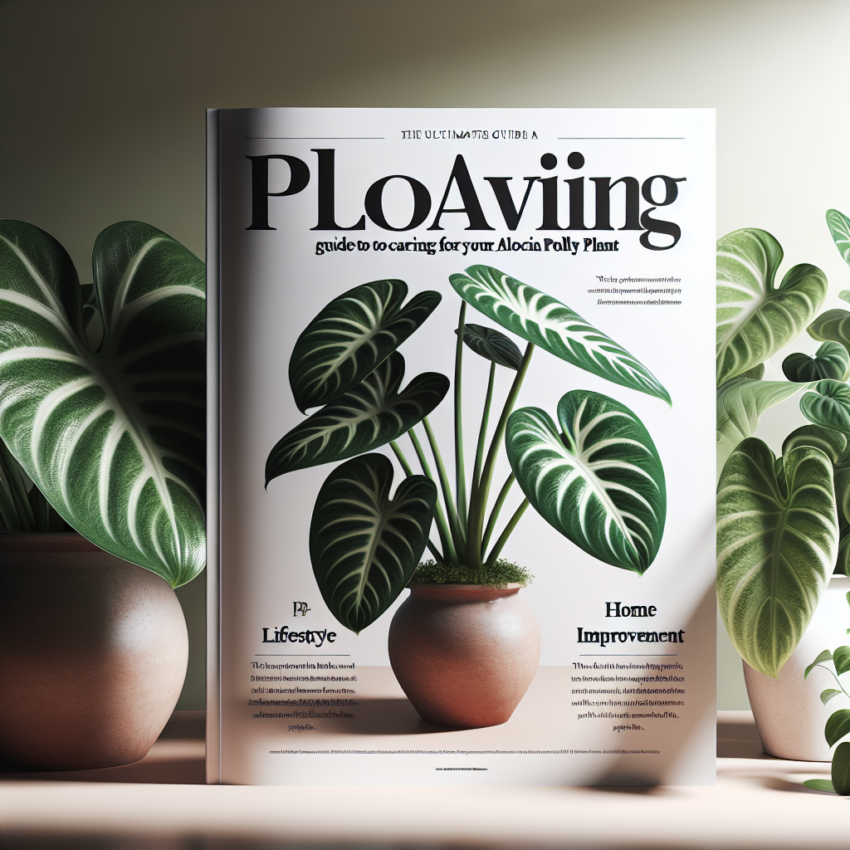
Alocasia Polly, often admired for its striking foliage and unique appearance, is a popular houseplant choice for plant enthusiasts. Whether you are a seasoned plant lover or a newcomer, understanding the needs of your Alocasia Polly is crucial for its healthy growth. This guide will provide you with comprehensive insights into the care requirements to ensure that your Alocasia Polly thrives in your home environment.
Caring for Your Alocasia Polly
Alocasia Polly is known for its dramatic leaves, which have an almost metallic sheen and unique shape. To keep this plant in peak condition, it’s essential to consider its native tropical habitat and mimic those conditions as closely as possible. Here’s how you can create the ideal growing environment.
Light Requirements
Alocasia Polly thrives in bright, indirect light. Direct sunlight can scorch its leaves, while too little light can stunt its growth. Position your plant near a window with filtered light or use sheer curtains to diffuse the sunlight. If natural light is insufficient, consider using a grow light to supplement.
Humidity and Temperature
This tropical plant prefers high humidity levels, ideally between 60-80%. If your home is dry, especially during winter, use a humidifier or mist the leaves regularly. Alocasia Polly does best in temperatures ranging from 65-75°F (18-24°C). Avoid placing it near drafts, heaters, or air conditioning vents.
Watering Tips
Maintaining the right watering balance for your Alocasia Polly can be tricky but crucial. Let the top inch of soil dry out before watering again. Ensure your pot has drainage holes to prevent waterlogging, which can lead to root rot. During the growing season (spring and summer), you may need to water more frequently, whereas in the winter, reduce the frequency.
Soil and Fertilization
Use a well-draining potting mix to provide the aeration needed for healthy root growth. You can enhance drainage by adding perlite or orchid bark to regular potting soil. During the growing season, feed your Alocasia Polly with a balanced, water-soluble fertilizer every month to support its development.
Repotting and Pruning
Pot-bound roots may hinder growth, so consider repotting your Alocasia Polly every couple of years or when you notice roots growing out of the drainage holes. When repotting, choose a container that is one size larger than the current one.
Pruning is mostly for maintaining the plant’s aesthetic. Trim any yellowing leaves and clean off dead foliage regularly to encourage healthy new growth.
Common Pests and Problems
Alocasia Polly can fall prey to pests like spider mites, aphids, and scale. Regularly check the underside of the leaves and treat infestations with insecticidal soap or neem oil. Ensure good air circulation around your plant to prevent fungal infections.
Yellowing leaves are often a sign of overwatering or inadequate light. Adjust care as needed to rectify these issues.
With the right care, your Alocasia Polly will not only survive but thrive, becoming a striking addition to your indoor garden. Whether you’re looking to create a lush, green sanctuary or want a conversation starter, this plant won’t disappoint. For more ways to style your home, check out these creative decor ideas with vintage maps.
For additional information on environmental care for tropical plants, you can explore this comprehensive resource.
- Alocasia Polly thrives in bright, indirect light and high humidity.
- Water carefully to avoid root rot; let the top inch of soil dry between waterings.
- Fertilize during the growing season and repot every couple of years.
- Regularly check for pests and mitigate as needed to protect your plant.
- Consistent care will ensure your Alocasia Polly remains healthy and vibrant.
Frequently Asked Questions
How often should I water my Alocasia Polly?
Water your Alocasia Polly when the top inch of the soil has dried out. During the growing season, this might mean watering once a week, but always adjust based on environmental factors like temperature and humidity.
What type of soil is best for Alocasia Polly?
A loose, well-draining potting mix is ideal for Alocasia Polly. You can mix regular potting soil with perlite or orchid bark for better drainage.
Why are my Alocasia Polly’s leaves turning yellow?
Yellow leaves can be a sign of overwatering, insufficient light, or natural aging. Evaluate your plant’s care routine to ensure you’re meeting its needs.
How can I increase humidity for my Alocasia Polly?
Use a humidifier, place your plant on a pebble tray with water, or mist the leaves regularly to increase humidity around your plant.
Can Alocasia Polly be grown outdoors?
Alocasia Polly can be grown outdoors in warm, humid climates (USDA zones 10-11). Ensure it receives indirect light and is protected from harsh weather conditions.