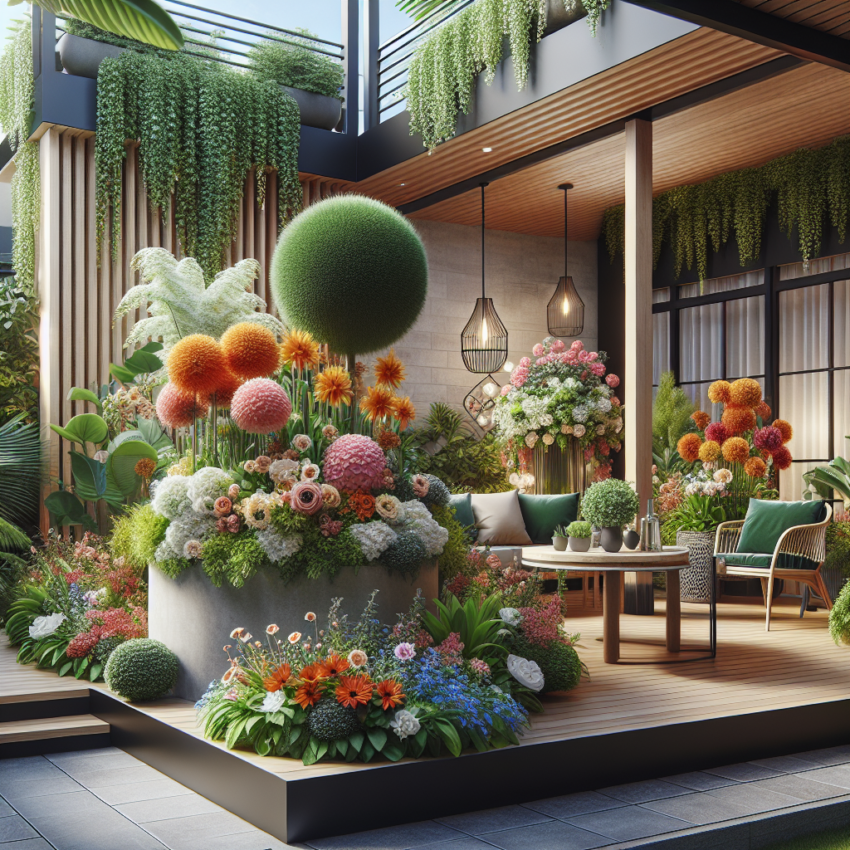
Transforming your garden into a vibrant oasis can be easily achieved by incorporating annuals. These plants provide a burst of color and texture and can dramatically enhance the aesthetics of your outdoor space. Whether you are a seasoned gardener or a beginner, annuals are a delightful choice that can quickly bring life and diversity to your garden each season.
The Beauty and Benefits of Annuals
Annuals are known for completing their life cycle in one growing season. This characteristic allows gardeners the freedom to experiment with different varieties, colors, and arrangements every year. With options ranging from sun-loving marigolds to shade-friendly impatiens, there’s an annual plant for every garden.
Choosing the Right Annuals for Your Garden
Selecting the right annuals for your garden depends on several factors including climate, soil type, and sun exposure. Conduct a small research or consult with local gardening centers to find out which annuals thrive best in your area. A few popular options include petunias, zinnias, and snapdragons, known for their vibrant blooms and easy care.
Designing Your Garden with Annuals
When planning your garden design, consider using annuals to fill gaps between perennial plants, add a splash of seasonal color, or provide a focal point in decorative containers. Mix and match different varieties to create layers of colors and textures. Annuals are adaptable and can be interspersed with other garden elements seamlessly.
Planting and Caring for Annuals
Once you have selected your plants, ensure you prepare the soil properly by enriching it with compost or organic matter. Follow planting instructions specific to each type of annual. Regular watering, especially during dry spells, is crucial for their growth. To optimize watering efficiency, consider installing an irrigation system that suits your garden’s layout.
Fertilization and Pest Control
Nourishing your annuals with a balanced fertilizer can promote robust blossoms. Fertilize them every few weeks during the growing season. Additionally, monitor your garden for pests and diseases regularly. Natural remedies or organic pesticides can help manage these issues without harming beneficial insects.
Extending the Life of Your Annuals
Deadheading, or removing spent flowers, can extend the blooming period and encourage new growth in many annuals. This simple practice keeps your garden looking fresh and vibrant longer. Additionally, mulching can help retain moisture and suppress weeds, benefiting annual plants.
Annuals: A Dynamic Garden Investment
Incorporating annuals into your garden is not just about aesthetics; it’s an investment in the health and biodiversity of your outdoor space. These plants can attract pollinators, provide food and habitat for beneficial insects, and contribute to the overall beauty of your home environment. Whether you’re aiming for a whimsical floral display or a structured design, annuals offer endless possibilities to explore and enjoy.
- Annuals add seasonal color and variety to gardens.
- They require proper soil preparation and regular watering.
- Fertilization and good pest management keep plants healthy.
- Deadheading can extend their flowering period.
- Annuals attract pollinators and enhance garden biodiversity.
What are annuals?
Annuals are plants that complete their entire life cycle, from germination to seed production, within one growing season. They must be replanted yearly but offer the advantage of easy experimentation with colors and varieties.
How do I choose the right annuals for my garden?
Consider factors such as climate, soil type, sun exposure, and garden design when selecting annuals. Consulting with local garden centers or researching suitable varieties for your area can also be helpful.
What is the best way to plant annuals?
Prepare the soil with compost or organic matter, follow specific planting instructions, and ensure regular watering. Additionally, incorporating a reliable irrigation system can help maintain consistent moisture levels.
How can I manage pests on my annuals?
Regular monitoring and natural remedies or organic pesticides can control pest populations without harming beneficial insects. Maintaining a healthy garden environment reduces the risk of pest infestations.
Can I improve the lifespan of my annuals?
Yes, by deadheading spent flowers, applying mulch, and ensuring proper fertilization, you can extend the blooming period and enhance the overall vitality of your annual plants.