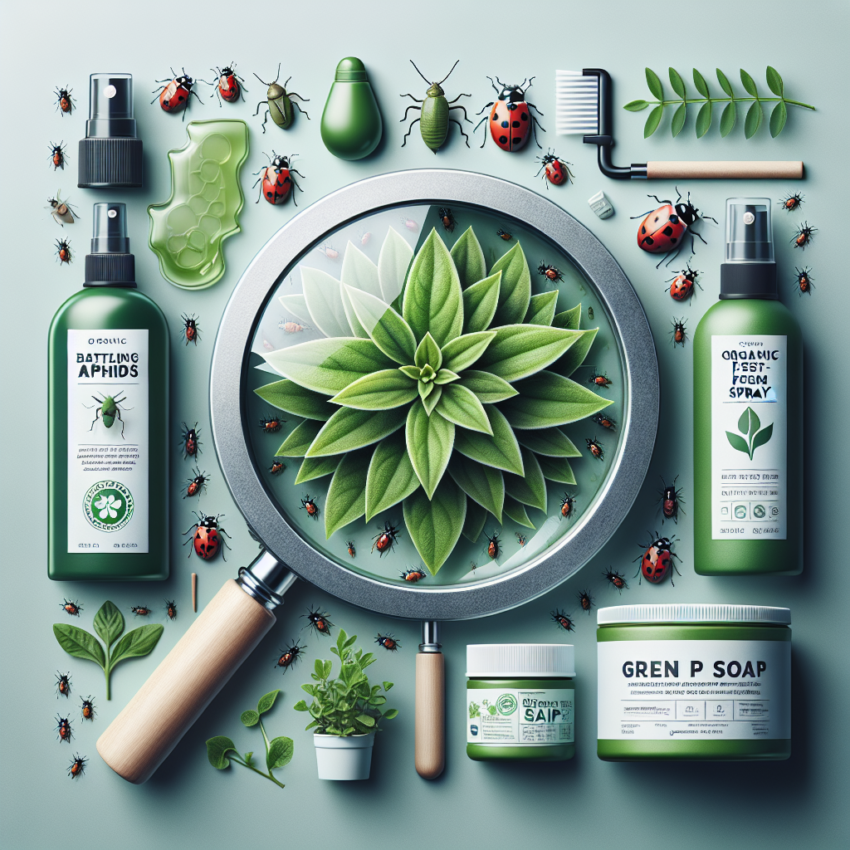
Gardening enthusiasts often face the challenge of dealing with aphids on plants. These tiny pests can wreak havoc in your garden by sucking the sap from plants and spreading diseases. Addressing this common issue requires a keen understanding of effective strategies to manage and eliminate aphids while enhancing the overall health of your garden. Whether you’re a seasoned gardener or a novice, learning how to combat aphids is crucial to maintaining a flourishing outdoor space.
Understanding Aphids on Plants
Aphids are small, soft-bodied insects and typically appear in various colors, including green, black, red, and white. These pests feed on plant sap, extracting essential nutrients and often leading to yellowed leaves and stunted growth. Aphids can reproduce rapidly, making early detection and management critical. Recognizing the signs of an aphid infestation can help you take timely action to protect your plants.
Natural Remedies to Manage Aphids
One of the most sustainable ways to control aphids is through natural remedies. Introducing beneficial insects such as ladybugs and lacewings to your garden can help reduce aphid populations naturally, as they are natural predators of aphids. Additionally, planting companion plants like marigolds and nasturtiums can repel aphids or attract beneficial insects to your garden. Regularly spraying plants with a mixture of water and mild soap can also help wash away aphids without harming the plants.
Chemical Interventions for Severe Infestations
In cases where natural methods are insufficient, chemical interventions may be necessary. It’s important to choose environmentally friendly insecticides specifically designed to target aphids without affecting beneficial insects. Always follow the label instructions carefully to minimize environmental impact. Keep in mind that excessive use of chemical treatments can lead to resistance in aphid populations, making long-term management more challenging.
Maintaining Garden Health
Preventing aphid infestations starts with maintaining a healthy garden. Ensuring your plants are healthy and robust can make them less susceptible to aphid attacks. Regular maintenance tasks such as cleaning garden debris, pruning damaged leaves, and checking for signs of pests can help create a more resilient garden environment. Providing adequate water and nutrients will enhance plant health and reduce vulnerability to pests.
Additional Resources for Combating Aphids
For more comprehensive guidance, refer to educational resources from reputable organizations. For instance, the encyclopedia on health provides valuable insights into maintaining garden health. Understanding the environmental factors that influence aphid populations and incorporating targeted strategies can lead to more effective pest control.
By employing these strategies, managing aphids on plants becomes more manageable. In doing so, gardeners can promote garden health, ensure plant vitality, and enjoy a thriving outdoor space.
- Aphids are small insects that can significantly impact plant health.
- Natural remedies and beneficial insects offer sustainable control options.
- Chemical treatments should be used judiciously to prevent resistance.
- Maintaining a healthy garden is key to preventing aphid infestations.
- Educational resources provide further insights into effective pest management.
FAQs
What are aphids, and how do they affect plants?
Aphids are small, sap-sucking insects that can cause yellowing of leaves, stunted growth, and even transmit plant diseases, which ultimately impair plant health.
How can I naturally control aphid infestations?
Introducing beneficial insects like ladybugs and using plant-based deterrents, such as marigolds, can naturally manage and reduce aphid populations.
When should I consider using chemical treatments?
Chemical treatments should be a last resort when natural methods fail to control severe infestations. It’s essential to use targeted insecticides that minimize harm to beneficial organisms.
What role does garden maintenance play in preventing aphids?
Regular garden tasks such as pruning, removing debris, and ensuring plants are well-watered and fertilized contribute to overall plant health, making them less susceptible to aphids.
Where can I find more information on managing pests in my garden?
Consulting educational resources from reputable websites and gardening experts can provide additional strategies and insights into effectively managing garden pests.