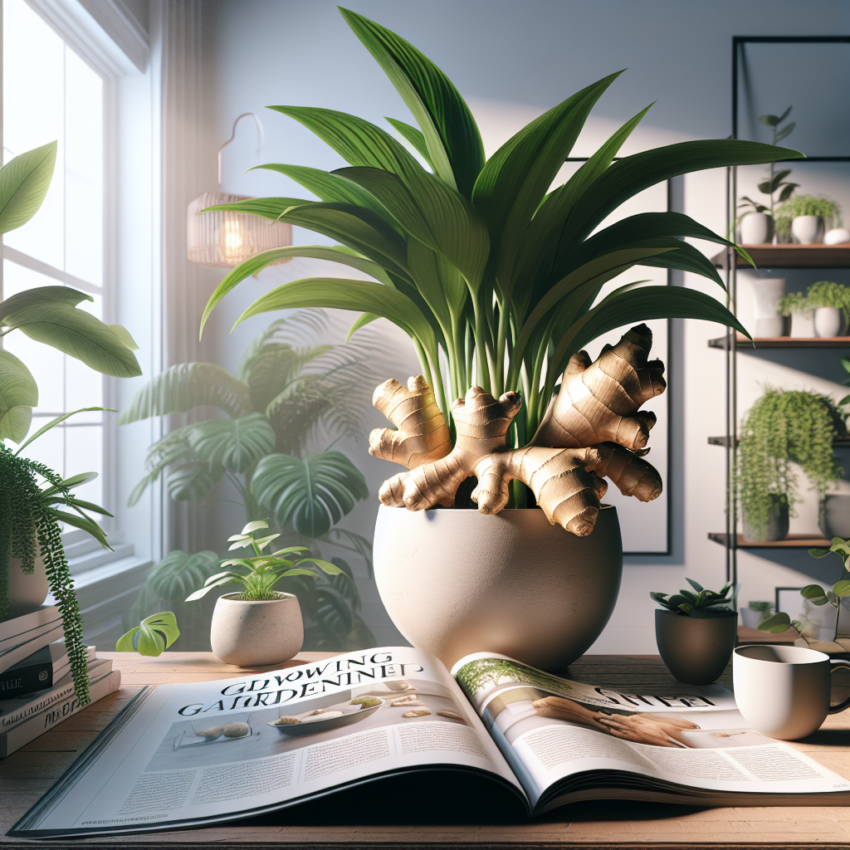
Learning how to grow ginger at home can be both rewarding and practical. This versatile plant not only spices up your culinary experiences but also offers numerous health benefits. Whether you’re a seasoned gardener or a beginner, ginger is a low-maintenance plant that’s worth adding to your garden.
How to Grow Ginger: A Step-by-Step Guide
Ginger is a tropical plant that thrives in warm, humid environments. By following a few simple steps, you can cultivate healthy ginger plants right in your own backyard.
Choosing the Right Ginger Rhizomes
The first step in growing ginger is selecting the right rhizomes, which are essentially the root pieces you will plant. Look for plump, firm pieces with visible buds, as these are more likely to sprout.
Planting Ginger Rhizomes
Once you’ve chosen your rhizomes, soak them in warm water overnight to remove any growth inhibitors. Plant them in moist, well-draining soil, covering them with about 1 inch of soil. Space the rhizomes 6 to 8 inches apart.
Ideal Growing Conditions
Ginger requires warmth and humidity to thrive. Aim to maintain a temperature range of 68–86°F. If your climate is cooler, consider growing ginger indoors or using a greenhouse.
Caring for Your Ginger Plants
Keep the soil consistently moist but not waterlogged. Fertilize every six weeks with a balanced liquid fertilizer to provide essential nutrients. Ginger plants also benefit from partial shade, so outdoor locations with dappled sunlight work well.
Troubleshooting Common Ginger Growing Problems
Even with the best care, you might encounter problems when learning how to grow ginger. Here are some common issues and solutions.
Pests and Diseases
Aphids and root-knot nematodes can be troublesome. Introduce natural predators like ladybugs or use neem oil sprays to keep pests at bay. Fungal diseases can be prevented by ensuring good drainage and avoiding overcrowding.
Yellowing Leaves
If your ginger’s leaves start turning yellow, it may be due to overwatering, insufficient nutrients, or inadequate sunlight. Adjust your watering schedule and ensure that the ginger plants receive enough natural light and nutrients.
Stunted Growth
Slow growth might be an indication of poor soil quality. Enhance soil richness by adding organic compost or mulch regularly.
Harvesting and Storing Ginger
One of the joys of learning how to grow ginger is the harvest. After about 8 to 10 months, your ginger should be ready to harvest when the leaves turn yellow and begin to wither.
How to Harvest Ginger
Carefully lift the ginger rhizomes from the soil using a garden fork or spade. Be gentle to avoid damaging the rhizomes.
Storing Fresh Ginger
Freshly harvested ginger can be stored in a cool, dry place for several weeks. For longer storage, consider freezing or drying slices of the rhizome.
Using Your Homegrown Ginger
Ginger can be used in a variety of ways, from culinary dishes to home remedies. Check out an assortment of uses at the benefits of ginger and other natural supplements.
For detailed information about the health aspects of ginger, visit the Wikipedia page on health.
Takeaways
- Ginger is easy to grow with the right conditions: warm and humid.
- Select healthy rhizomes for planting and soak them before planting for better growth.
- Provide well-draining soil, partial shade, and regular fertilization.
- Harvest ginger when the plant’s tops die back, typically after 8-10 months.
- Store ginger properly to enjoy its freshness for longer periods.
Can I grow ginger indoors?
Yes, ginger can be grown indoors, as long as it receives ample warmth and humidity. Use a large pot to accommodate its growth.
How long does it take for ginger to sprout?
Ginger typically sprouts within a few weeks of planting, especially if the conditions are warm and the soil is kept moist.
What type of soil is best for growing ginger?
Ginger thrives in rich, well-draining soil. Adding compost or organic material can enhance soil quality.
How often should I water ginger plants?
Water ginger plants consistently to keep the soil moist, but ensure it is not waterlogged. The frequency can vary depending on climate conditions.
Can ginger plants survive the winter?
In cold climates, ginger plants should be moved indoors or into a greenhouse during the winter months to prevent frost damage.