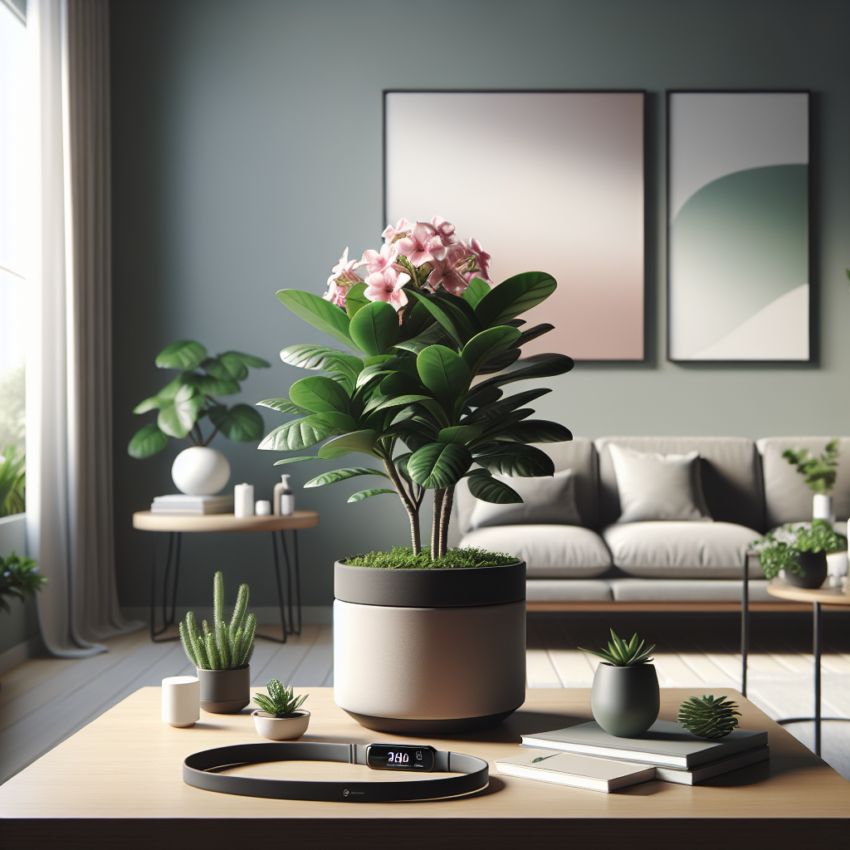
When looking to enhance indoor spaces with lush greenery, dipladenia, often recognized for its vibrant foliage and trumpet-shaped flowers, emerges as a delightful choice. As a versatile climber, dipladenia can thrive indoors with the right care, offering nature’s beauty all year round.
Understanding Dipladenia: An Introduction
Dipladenia, a member of the Mandevilla family, is prized for its stunning, long-lasting blooms and glossy leaves. Originally from the tropics, this plant adapts well to indoor environments, making it a favorite among houseplant enthusiasts. Understanding its natural habitat and how it grows can help you mimic conditions that promote healthy growth.
Choosing the Right Environment
Getting the environment right is essential for cultivating a thriving dipladenia. With its native tropical roots, this plant loves bright, indirect sunlight. Place it near an east- or west-facing window where it can soak up enough light without direct exposure, which might scorch its delicate foliage.
Soil and Potting Requirements
Dipladenia prefers well-draining soil since waterlogged conditions can lead to root rot. A mix of peat, sand, and a good-quality potting mix works best. Ensure that the pot has sufficient drainage holes to prevent excess moisture build-up. It’s also advisable to repot your dipladenia every two years to refresh its soil and encourage vigorous growth.
Watering and Feeding
Consistent watering that mimics the plant’s natural tropical environment is key. Water your dipladenia when the top inch of soil feels dry to the touch. During active growth periods, typically spring and summer, feed your plant with a balanced, water-soluble fertilizer every few weeks to support robust flowering and healthy foliage.
Tips for Healthy Dipladenia Growth
Maintaining optimal conditions is crucial for dipladenia to flourish indoors. Here are some essential tips to ensure your dipladenia thrives.
Pruning and Training
Regular pruning helps dipladenia maintain shape and encourages fuller growth. Trim back any leggy or overgrown stems, especially in early spring before new growth begins. If you want your dipladenia to climb, offer support with a small trellis or stakes.
Pest and Disease Management
While dipladenia is relatively disease-resistant, it can still be susceptible to pests like spider mites and aphids. Regular inspection and gentle cleaning of the leaves with a damp cloth can prevent infestations. If pests are detected, treat them promptly with a gentle insecticidal soap solution.
Winter Care
During cooler months, dipladenia will slow its growth and may enter a semi-dormant state. Reduce watering frequency and pause fertilization to avoid stressing the plant. Ensure it stays in a well-lit area, as reduced daylight can affect its health.
For further insights on maintaining optimal indoor plant health, consider exploring different indoor plant care techniques.
Extending the Lifespan of Your Dipladenia
By staying attentive to the plant’s needs, such as light adjustments, timely pruning, and watching for signs of pests or disease, you can enjoy dipladenia’s beauty for many years. Regularly checking and adjusting care routines as building temperatures and light levels change will further enhance the plant’s vitality.
Indoor Dipladenia: A Joyful Addition
Embracing the beauty of dipladenia not only uplifts your home aesthetics but also offers therapeutic benefits. By understanding and meeting its care requirements, you allow this exquisite plant to flourish in your living space, bringing nature’s splendor indoors consistently. To learn more about the plant’s biology and care specifics, you can reference this detailed guide on dipladenia.
- Dipladenia thrive in bright, indirect sunlight and enjoy tropical conditions.
- Regular watering and suitable potting mix are essential.
- Pruning and pest management promote healthy growth.
- Winter care is essential for continued vitality.
- Adjusting care routines helps maximize your plant’s lifespan.
FAQ
What is the best location for dipladenia indoors?
A bright area with indirect sunlight, such as an east- or west-facing window, is ideal for dipladenia.
How often should I water my dipladenia?
Water when the top inch of the soil is dry, typically requiring more frequent watering in summer than in winter.
Can dipladenia survive winter indoors?
Yes, with reduced watering and consistent light, it can thrive indoors even during cold months.
What are common pests affecting dipladenia?
Spider mites and aphids are common, but regular leaf inspection and cleaning can prevent infestations.
Is repotting necessary for dipladenia?
Repotting every two years ensures fresh, nutrient-rich soil and ample space for growth.