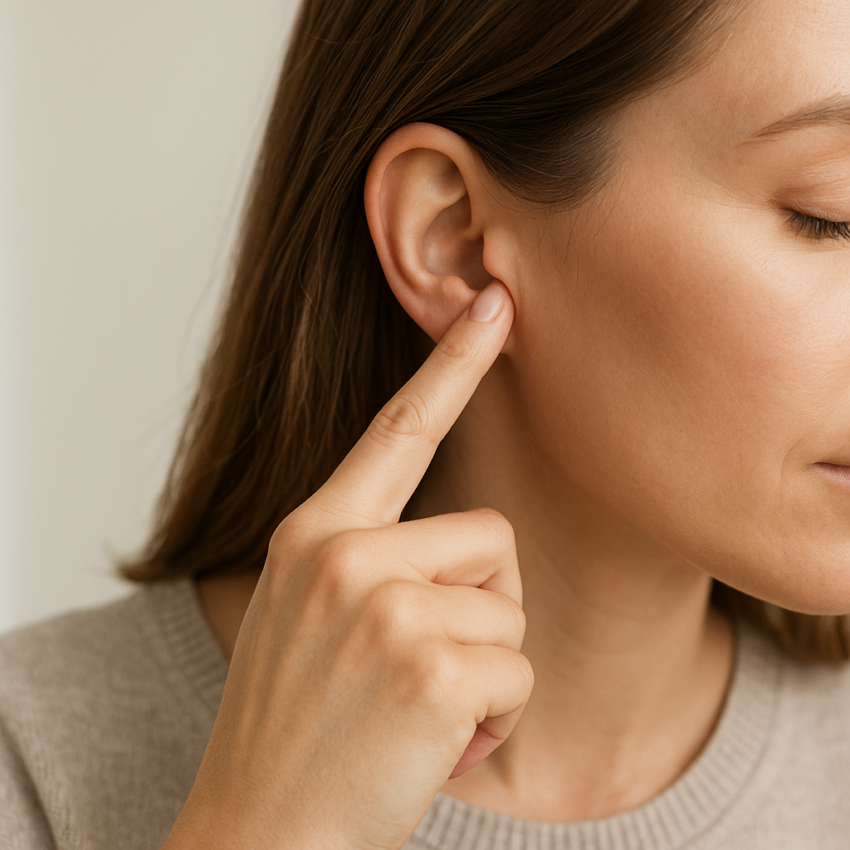
If you’ve ever experienced that uncomfortable feeling of pressure building in your ears during a flight or a sudden altitude change, you’ve likely wondered how to pop your ears. Popping your ears, commonly known as equalizing, is a natural way to relieve pressure buildup and return your ears to normal. This article explores effective techniques to help you pop your ears safely and efficiently.
How to Pop Your Ears: Safe Techniques
Popping your ears can be as simple as yawning or swallowing. Here are some effective methods:
- Swallowing: Swallowing helps to activate muscles that open the eustachian tubes, equalizing ear pressure. Try drinking water or sucking on candy to stimulate swallowing repeatedly.
- Yawning: Yawning opens the eustachian tubes wider than swallowing. Keep yawning until you feel the pressure release.
- Valsalva Maneuver: Close your mouth and pinch your nose shut, then gently exhale through your nose. This technique forces air into the eustachian tubes.
- Toynbee Maneuver: Similar to the Valsalva maneuver, this involves swallowing with your mouth closed and your nose pinched shut.
- Chewing Gum: Chewing gum encourages frequent swallowing, which can relieve pressure during changes in altitude.
When to Seek Medical Advice
While these methods can be effective, sometimes professional assistance is necessary. If you experience pain, hearing loss, or symptoms persist after attempting to pop your ears, consult a healthcare provider. Chronic issues might indicate underlying conditions like an ear infection or eustachian tube dysfunction.
For more information on maintaining ear health, visit our comprehensive health section for additional resources.
Why Does Ear Popping Happen?
Ears pop as they attempt to equalize the pressure inside the ear with the external environment, mainly through the eustachian tubes. These tubes connect your middle ear to the back of your throat and regulate ear pressure. Changes in altitude or pressure can block these tubes, leading to discomfort.
Read more about the scientific basis of ear popping at Wikipedia’s detailed article on the topic.
Other Situations That Cause Ear Popping
Apart from altitude changes, ear popping can occur during instances such as:
- Underwater Diving: Divers frequently experience ear pressure changes and employ similar techniques to pop their ears underwater.
- Colds and Sinus Infections: Congestion can block eustachian tubes, leading to pressure buildup.
- Allergies: Similar to colds, allergies can cause inflammation in eustachian tubes, necessitating popping to relieve pressure.
Maintaining Ear Health
While learning how to get your ears to pop is helpful, maintaining overall ear health is crucial. Regular check-ups, avoiding loud noises, and practicing proper ear hygiene contribute significantly to maintaining your hearing and avoiding issues related to ear pressure.
Conclusion
The methods outlined here can help you understand how to pop ears effectively and afford relief from pressure discomfort. Should you have ongoing issues or concerns, it is advisable to seek professional medical advice for tailored recommendations.
- Swallowing and yawning are simple techniques to pop your ears.
- The Valsalva and Toynbee maneuvers can help if simple methods fail.
- Professional help is necessary if symptoms persist or worsen.
- Ear health maintenance is essential for preventing pressure issues.
- Further reading on the topic is available on Wikipedia.
FAQ
Why do my ears feel plugged?
Ears feel plugged when there’s a pressure difference between your inner ear and the external environment, often caused by blocked eustachian tubes.
Is popping ears harmful?
If done gently, popping your ears is not harmful. However, excessive force can potentially damage the eustachian tubes or eardrum.
What should I do if my ears won’t pop?
If your ears won’t pop despite trying common techniques, consider seeking medical advice to rule out infections or underlying conditions.
Can earwax affect ear pressure?
Excessive earwax can sometimes block the ear canal, indirectly affecting ear pressure. Regular cleaning can help prevent buildup.
When should I see a doctor about ear problems?
Consider visiting a healthcare provider if you experience persistent ear pain, hearing loss, or if popping your ears leads to discomfort or does not alleviate symptoms.