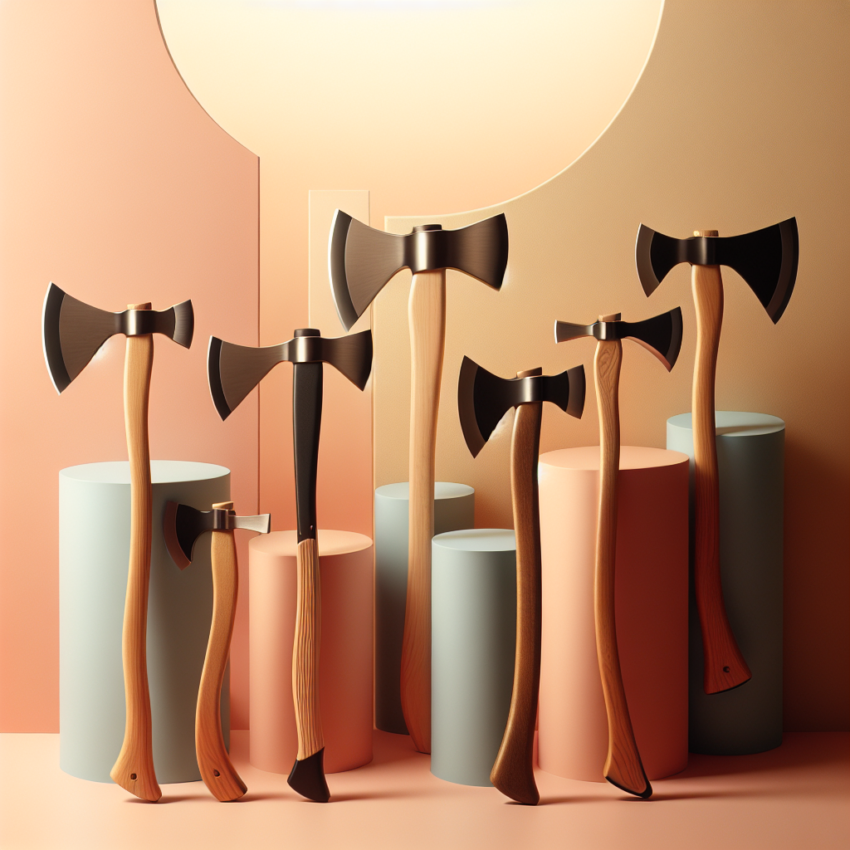
Axes have been indispensable tools throughout history, valued for their versatility and effectiveness in a variety of tasks. Whether you’re just getting started or are looking to refine your technique, understanding the nuances of axes is essential. From chopping wood to competitive throwing, mastering this art can greatly enhance your skills.
Understanding Types of Axes
The world of axes is diverse, with each type designed for specific tasks. Familiarity with the different kinds can inform your decision-making and help you select the right tool for your needs.
Felling Axes are crafted for chopping down trees. They feature a long handle and a sharp, thin blade that can deeply penetrate wood, making them ideal for cutting across wood grain.
Splitting Axes are optimized for splitting wood along its grain, typically featuring a wedge-shaped head that pushes wood apart, rather than cutting into it.
Hatchets are smaller, single-handed axes perfect for light chopping tasks and carving. Their compact size makes them portable and easy to use in tight spaces.
Essentials Skills for Using Axes
Without proper technique, using an axe can be inefficient or even dangerous. Here are some fundamental skills to master:
When gripping your axe, hold the handle firmly with both hands, ensuring a secure hold to help control every swing. Your dominant hand should be placed just above the midpoint of the handle, while the other anchors at the base.
During the swing, keep your eye on the target, drawing the axe back over your shoulder before delivering a controlled and powerful stroke forward. Proper posture is critical to maintaining balance and maximizing force.
As with any sharp tool, maintenance is key. Regularly sharpening the blade and inspecting the handle for cracks can prolong the life of your axe and enhance safety.
Advanced Axe Techniques
Once the basics are underway, challenging yourself with advanced techniques can make you more adept:
Those interested in axe throwing should focus on precision and consistency. Starting with a balanced throwing axe, practice a steady release, aiming for a clean rotation that results in the blade hitting the target.
In cross-cutting, or bucking, proper limb placement can reduce muscle fatigue. Align your cuts perpendicular to the wood for effective and efficient removal of material.
Safety Considerations When Working with Axes
While using axes can be immensely satisfying, it’s important to observe safety considerations to prevent accidents:
Always ensure your work area is free of obstacles and that bystanders are at a safe distance. This will help avoid unintended contact or injury.
Consider wearing appropriate protective gear, such as gloves, sturdy footwear, and eye protection to minimize injury risk.
Read more about staying safe and healthy in all activities.
Axes: Honing Your Craft
By embracing the diverse aspects of axes, from choosing the right tool to mastering skilled techniques and ensuring safety, you can improve your proficiency in no time. Remember, every axe is a call to action, whether crafting, throwing, or chopping, each action with axes contributes to a time-honored tradition.
- Different axes are suited to different tasks.
- Proper technique and posture enhance performance.
- Regular maintenance ensures longer tool life.
- Practice safety to prevent accidents.
- Refining skills can lead to more satisfying results.
Common Questions About Axes
What is the best type of axe for beginners?
For beginners, a versatile hatchet can be ideal as it is easy to handle and works well for a variety of simple tasks.
How often should I sharpen my axe?
Sharpen your axe regularly, ideally after any prolonged use or if you notice it becoming less effective.
Is axe throwing difficult to learn?
Axe throwing requires practice to master. Start with the basics of balance and consistent release, and gradually develop your technique.
What safety gear should I use when using an axe?
Essential safety gear includes sturdy gloves, protective footwear, and safety glasses to protect against splinters and debris.
Where can I find more information on optimizing my technique with axes?
For more advice on skill development, consider this guide to supporting brain function and learning new skills.