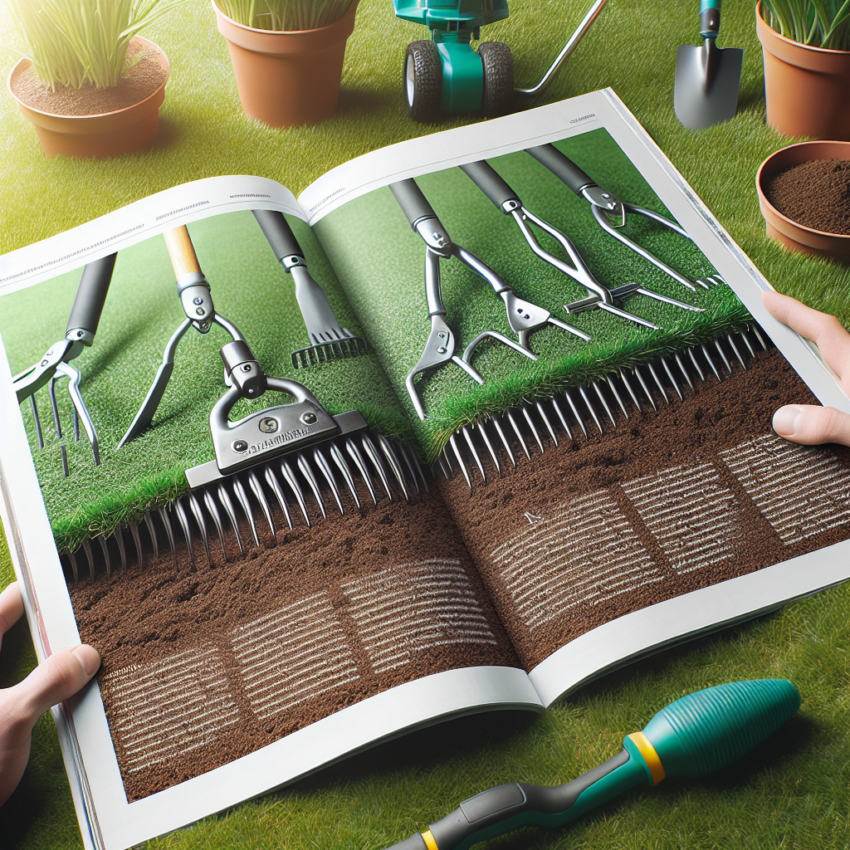
Is your lawn looking a little lackluster lately? The culprit may be the thatch layer, a dense mat of intertwining roots and organic material right above the soil. The solution lies in using a dethatcher to revitalize your yard. This comprehensive guide will walk you through the benefits and process of dethatching, helping you achieve a lush, green landscape.
The Role of a Dethatcher in Lawn Care
A dethatcher is a specialized tool designed to remove the thatch layer, a buildup of dead and living plant material that can prevent water, nutrients, and air from reaching the soil. Without proper attention, this layer can stifle lawn growth and invite pests and disease. By using a dethatcher, you can rejuvenate your turf, promoting a healthier, more vibrant lawn.
Thatch isn’t inherently bad; a thin layer, less than half an inch, is beneficial. It acts as a cushion for foot traffic and helps retain soil moisture. However, when it accumulates beyond healthy levels, it can form a barrier against the essential elements your lawn needs.
Identifying When to Dethatch
Knowing when your lawn needs dethatching is crucial. Signs include a spongy feel when you walk on it, sparse grass, or brown patches. Generally, the best time to dethatch is early spring or early fall, depending on your grass type. Cool-season grasses benefit from dethatching in late summer or early fall, while warm-season grasses are best treated in late spring or early summer.
Choosing the Right Dethatcher
Several types of dethatchers exist, including manual and powered options. Manual dethatchers are small tools resembling rakes, suitable for smaller patches and less severe thatch problems. For larger lawns or extensive thatch, powered dethatchers, which resemble lawn mowers, can make the job more manageable.
When selecting a dethatcher, consider your lawn size and personal comfort with handling machinery. Electric and gas-powered versions offer different benefits, with electric models being quieter and more eco-friendly, while gas models often have more power for tackling extensive thatch.
Dethatching Your Lawn: Step-by-Step
- Assess the Lawn: Identify thatchy areas and plan your approach.
- Mow the Lawn: Cut the grass to half its normal height and remove clippings.
- Run the Dethatcher: Move steadily across the lawn, covering each area once. Adjust the blade depth according to your thatch level.
- Rake the Debris: Use a lawn rake to collect the thatch. Compost it if possible.
- Water and Aerate: After dethatching, water the lawn properly and consider aerating to further enhance nutrient absorption.
Post-Dethatching Care
After dethatching, your lawn may look a bit ragged, but this is temporary. Follow up with watering and fertilization to support new growth. Ensuring proper watering without over-saturating the soil will help your lawn recover swiftly. Consider using a balanced lawn fertilizer to restore nutrients to the soil.
Reaping the Benefits of a Dethatched Lawn
By removing excess thatch, you’ve opened avenues for nutrients, air, and water to reach the soil effectively, promoting root growth and enhancing grass resilience. This routine practice can significantly improve the overall aesthetics and health of your landscape. Regular maintenance, including proper mowing, watering, and fertilization, will further support a lush and vibrant lawn.
Don’t forget to check out our guide on ensuring your pets enjoy a lively outdoor experience amidst your revitalized lawn!
For more detailed information on lawn care practices, you might find additional insights at the National Gardening Association or through resources like Wikipedia’s lawn health articles.
- Identify when your lawn needs dethatching by looking for signs like sparse grass or a spongy feel.
- Select an appropriate dethatcher based on your lawn size and thatch severity.
- Follow a methodical dethatching process and perform post-care to revitalize your landscape.
- Early spring or early fall is generally the best time to dethatch, depending on your grass type.
- Ensure maintenance through proper watering, mowing, and fertilization.
FAQ
What is a dethatcher?
A dethatcher is a tool used to remove the thick layer of thatch above the soil, allowing air, nutrients, and water to penetrate the ground.
How often should I dethatch my lawn?
Generally, dethatching should be done every couple of years, but this varies based on your lawn’s health and growth patterns.
Can dethatching damage my lawn?
When done correctly and at the appropriate time of year, dethatching can greatly benefit your lawn. Over-dethatching or doing so at the wrong time can cause stress to the grass.
Is it necessary for every lawn?
Not every lawn will need dethatching. The need depends on the lawn’s condition and presence of excess thatch.
Can I use a regular rake for dethatching?
While manual dethatching rakes are available, a regular rake may not effectively penetrate and remove thick layers of thatch.
By incorporating these lawn care strategies, including the use of a dethatcher, you can look forward to a healthier and more vibrant yard that serves as a picturesque backdrop to your home’s exterior.