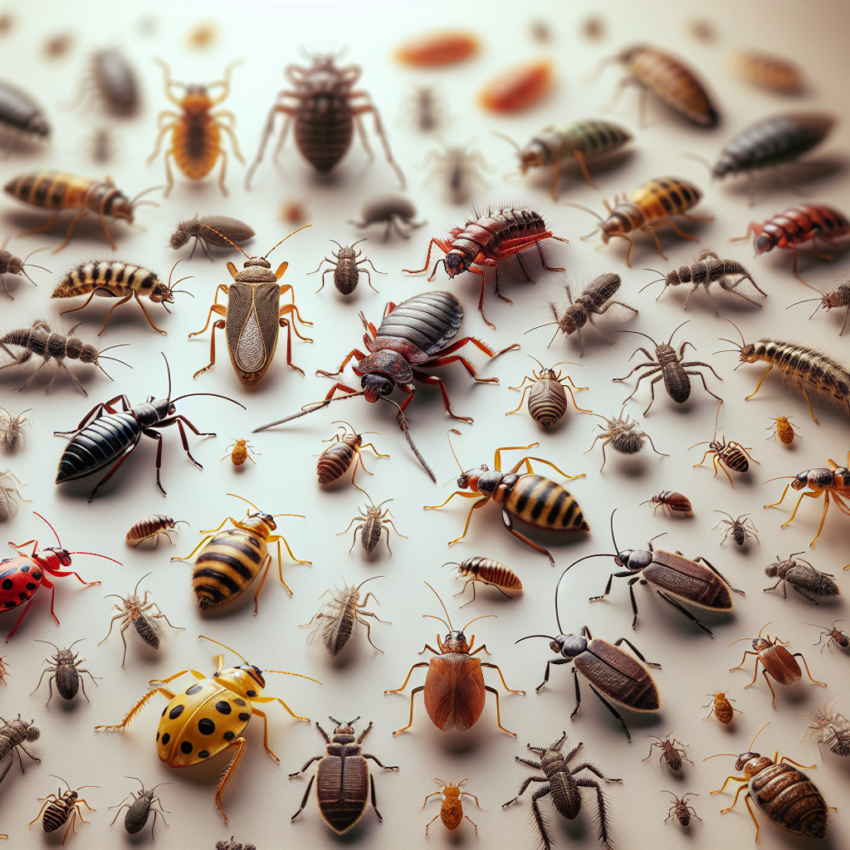
When you encounter small, creepy crawlies in your home, your first thought might be that they are bed bugs. However, many bugs resemble bed bugs but are not. These bugs can cause confusion, leading to incorrect treatments and unnecessary worry. Understanding the key differences can save you time and stress, ensuring you address the pest problem effectively.
Bugs That Look Like Bed Bugs
Many bugs that look like bed bugs share similar physical characteristics and habitats, making them easy to confuse. Bed bugs are small, reddish-brown insects about the size of an apple seed. They thrive in beds, carpets, and other furniture, feeding on the blood of humans and pets. Recognizing the differences requires a close examination and, sometimes, professional assistance.
Common Household Bugs Mistaken for Bed Bugs
Several types of bugs are frequently mistaken for bed bugs. Let’s explore some of the most common ones:
- Bat Bugs: These insects are closest in appearance to bed bugs, often leading to mistaken identity. They primarily feed on bats but will bite humans if bats are not available.
- Spider Beetles: With their round and brown appearance, spider beetles look like bed bugs at first glance. They are generally harmless and prefer to feed on dried food products instead of human blood.
- Carpet Beetles: Although much smaller and with a different body structure, carpet beetles can cause confusion. They tend to gather where fabric is abundant, but they do not bite humans.
- Fleas: Fleas are smaller and more agile than bed bugs, often concerning pet owners due to their ability to bite and cause irritation.
- Booklice: These tiny pests feed on mold and mildew, inhabiting damp areas in homes. They are often mistaken for bed bug nymphs because of their size.
Identifying Features of Mistaken Kinds of Bed Bugs
Understanding the physical characteristics and behavioral patterns of these pests is crucial for proper identification:
- Size and Shape: Bed bugs are usually flat and oval-shaped. In contrast, fleas have more robust bodies, while spider beetles have rounder shapes.
- Color: Bed bugs are primarily reddish-brown. Carpet beetles have varied colors, including black, brown, and white patterns.
- Habitat: Bed bugs thrive in mattresses and furniture joints. Fleas are commonly found on carpets and pet bedding, while spider beetles linger near stored foods.
- Feeding Habits: Bed bugs feed exclusively on blood, while carpet beetles and spider beetles feed on fibers and stored foods.
Preventing Infestations
Prevention is better than cure when it comes to controlling pest populations. Start by maintaining cleanliness and regular inspections in your home:
- Vacuum regularly to remove small insects and larvae.
- Seal cracks and crevices to prevent entry.
- Store food in airtight containers to prevent food-borne pests.
- Watch for signs of infestation, like bite marks or droppings, for early intervention.
Tackling Actual Bed Bug Issues
If you’re dealing with a confirmed bed bug infestation, it’s essential to act promptly. Using the right methods can help eradicate these pests:
- Consult pest control professionals for effective treatment plans, as they can identify the specific kind of pest.
- Regularly wash and heat-dry linens and other fabrics to kill bugs and eggs.
- Use protective covers on mattresses and box springs to eliminate hiding spots.
- Declutter your home to reduce areas where bed bugs can hide.
For more detailed information on distinguishing between pests and managing infestations, explore available resources such as Wikipedia’s comprehensive guide on bed bugs.
By understanding the different bugs that look like bed bugs, you can make informed decisions to treat and prevent infestations efficiently. Identifying the true nature of these bugs ensures you use the correct methods, protecting your home and health from unnecessary harm.
- Many bugs resemble bed bugs in size and appearance.
- Common mistaken pests include bat bugs, spider beetles, and carpet beetles.
- Proper identification helps ensure effective treatment and prevention.
- Consistent sanitation and maintenance can prevent infestations.
- Seek professional help for confirmed bed bug issues.
What are the most common bugs mistaken for bed bugs?
The most common bugs mistaken for bed bugs include bat bugs, spider beetles, carpet beetles, fleas, and booklice.
How can I differentiate between bed bugs and other similar pests?
Examine physical characteristics such as size, shape, and color, as well as feeding habits and typical habitats to differentiate between bed bugs and other pests.
Do I need professional pest control for all pest concerns?
While minor infestations may be managed at home, professional pest control ensures correct identification and more effective mitigation strategies for severe cases.
Can regular cleaning prevent bug infestations?
Regular cleaning reduces the chances of infestations by removing potential hiding spots and food sources, making it an effective preventive measure.
Where can I find more information on pest management?
Reliable sources such as university extensions and government health departments, along with websites like Wikipedia, offer valuable information on pest management.