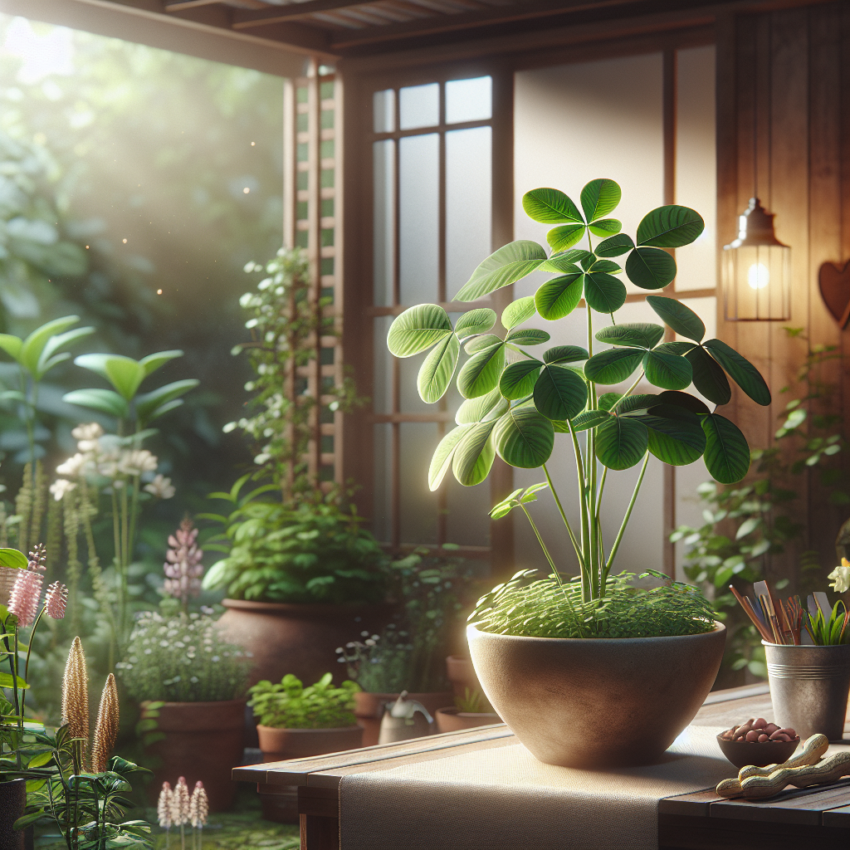
Growing a peanut plant in your home garden not only provides you with a unique and healthy addition to your diet but also offers various benefits for your soil and environment. The peanut plant is a legume, making it a valuable crop for improving soil fertility and providing nitrogen to the garden. As we explore the hidden benefits of cultivating this versatile plant in your backyard, you’ll discover that peanuts are more than just a tasty snack; they can be a significant contributor to sustainable gardening practices.
The Peanut Plant: More Than Just a Snack
Peanuts are often associated with food products like peanut butter and roasted snacks, but their uses extend well beyond the culinary world. The peanut plant itself is an asset to any garden. It is known for its ability to fix atmospheric nitrogen in the soil, significantly improving soil quality and reducing the need for chemical fertilizers. This natural process not only benefits the peanut plant but also adds nutrients for neighboring plants, fostering a more productive garden.
Aside from its nutritional benefits, the peanut plant requires minimal resources and is drought-resistant, making it an ideal choice for environmentally-conscious gardeners who want to conserve water.
How to Grow a Peanut Plant at Home
Starting a peanut plant in your home garden is relatively easy, even for novice gardeners. Begin by selecting a warm, sunny location with well-drained soil. Peanuts thrive in sandy loam and do well in raised garden beds or large containers. Before planting, soak the peanut seeds overnight to encourage faster germination. Plant the seeds approximately 1-1.5 inches deep and space them about 6-8 inches apart.
Throughout the growing season, ensure your peanut plant receives adequate sunlight and water it moderately. They require minimal intervention and will produce yellow flowers that lead to the formation of underground pods where peanuts develop.
Environmental Benefits of the Peanut Plant
The peanut plant offers numerous environmental benefits that enhance garden ecosystems and support biodiversity. As a nitrogen-fixing plant, it reduces the dependency on synthetic fertilizers that can have harmful ecological impacts. Additionally, the plant’s dense foliage can suppress weeds, minimizing the need for herbicides and supporting a healthier garden environment.
Another lesser-known advantage is that peanuts can benefit pollinators like bees. The flowers provide nectar, aiding in the survival of these crucial garden dwellers.
The Nutritional Value of Peanuts
The peanuts harvested from your garden are a nutritious source of protein, healthy fats, and essential vitamins and minerals. They provide a substantial amount of Vitamin E, magnesium, phosphorus, and niacin, offering a myriad of health benefits when consumed in moderation. Learn more about the nutritional profile of peanuts to understand how they can contribute to a balanced diet.
Creative Ways to Use Homegrown Peanuts
Once you’ve successfully harvested your peanuts, there are many creative and delicious ways to use them. Freshly harvested peanuts can be boiled for a traditional Southern treat or roasted for a crunchy snack. You might consider making homemade peanut butter or incorporating them into baked goods for extra texture and flavor. Their versatility in cooking extends to savory dishes as well, where peanuts can be used to add richness and depth.
Aside from culinary uses, peanut shells can serve as mulch to retain moisture in the soil or be composted, adding organic matter back into the garden.
Exploring the Broader World of Gardening
Introducing a peanut plant into your garden is part of a broader exploration of sustainable and enriching gardening practices. If you’re interested in learning how other natural elements can benefit your lifestyle or garden, you may find valuable insights in resources like how peptides can enhance muscle growth.
In conclusion, when you cultivate a peanut plant, you’re tapping into a multifaceted resource that not only provides culinary delights but also supports environmental health and biodiversity. From its nutritional offerings to its role in sustainable gardening, the peanut plant proves its worth in numerous ways. Embrace this versatile plant and reap its many benefits in your home garden.
- The peanut plant improves soil fertility by fixing nitrogen.
- Peanuts are drought-resistant and environmentally sustainable.
- Peanuts provide nutritional value with protein, vitamins, and minerals.
- Homegrown peanuts offer diverse culinary uses, from sweet to savory.
- Peanut plants support biodiversity and ecological gardening benefits.
What are the soil requirements for growing a peanut plant?
Peanut plants prefer well-drained, sandy loam soil that allows for easy root penetration and moisture control. Raised beds or containers are also suitable for growing peanuts.
How much sunlight does a peanut plant need?
A peanut plant requires full sunlight to thrive, needing at least six hours of direct sunlight per day for optimal growth and yield.
Are there any pests or diseases that affect peanut plants?
Yes, some common pests and diseases can affect peanut plants, including aphids, spider mites, and fungal infections. Regular monitoring and preventative measures can help manage these issues effectively.
Can peanuts be grown indoors?
While peanuts can grow indoors, they require enough space and sunlight. A large container placed near a sunny window or under grow lights can provide suitable conditions, but outdoor growth is typically more productive.
How long does it take for peanut plants to mature?
Peanut plants generally take about 120 to 150 days to mature, depending on the variety and growing conditions. Pods are ready to harvest when the leaves begin to yellow and the inner nuts fill the shells.