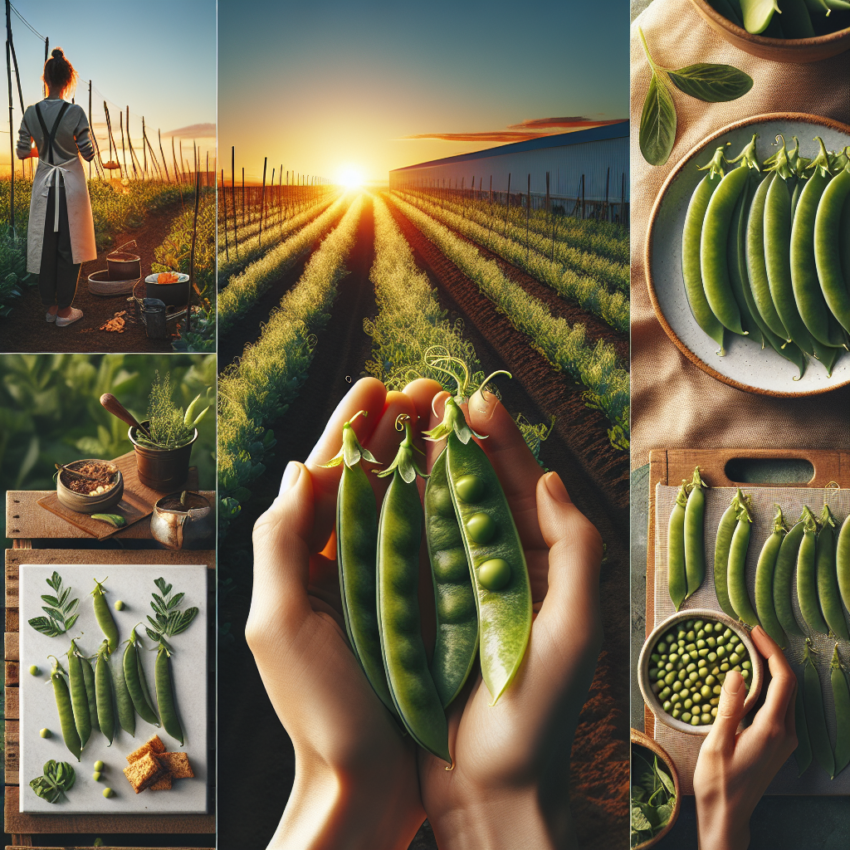
Growing sugar snap peas in your garden is a delightful endeavor for both novice and experienced gardeners. These crisp, sweet peas are not only easy to cultivate but also offer a nutritious addition to your meals. Understanding how to grow, care for, and enjoy these peas can greatly enhance your gardening and culinary experiences.
Planting Sugar Snap Peas
Sugar snap peas thrive in cool weather, making early spring and late summer the perfect planting times. To start, choose a well-draining soil rich in organic matter. Directly sow the seeds about 1 to 1.5 inches deep and 2 inches apart, allowing space for the vines to climb. It’s essential to keep the soil consistently moist but not waterlogged. Trellises or supports can help manage their climbing growth.
As the peas grow, regular weeding and mulching can keep competition from other plants at bay, helping them thrive. For a prolonged harvest, consider successive planting every two weeks during the planting season.
Caring for Your Sugar Snap Peas
Sugar snap peas require minimal maintenance. They are generally resistant to pests and diseases, making them an excellent choice for organic gardening. Keep an eye out for aphids and powdery mildew, which can occasionally affect the plants. Regularly inspect the plants and utilize organic pest control methods if necessary.
Water your sugar snap peas consistently, especially during flowering and pod formation, to ensure a bountiful harvest. Avoid overhead watering, which can promote mildew and other diseases. Instead, opt for ground-level irrigation methods.
When and How to Harvest Sugar Snap Peas
Harvesting sugar snap peas at the right time is key to maximizing their flavor and texture. They are best picked when the pods are round, firm, and plump. Typically, this is about six to eight weeks after planting, depending on the variety and growing conditions.
To harvest, simply snap the pea pods off the vine, holding the stem to avoid damaging the plant. Regular harvesting encourages more pod production, allowing you to enjoy an extended harvest.
Culinary Uses and Nutritional Benefits
Sugar snap peas are incredibly versatile in the kitchen. Enjoy them raw as a snack, or toss them into salads for a nutritious crunch. They can also be lightly steamed, sautéed, or added to stir-fries. Their sweet flavor complements a variety of dishes, enhancing both taste and nutrition.
Nutritionally, sugar snap peas are low in calories yet rich in fiber, vitamins A, C, and K, and essential nutrients like iron, magnesium, and potassium. Including them in your diet may support digestive health and boost your immune system.
Companion Planting with Peas
Companion planting can enhance growth and yield. Consider planting sugar snap peas near carrots, radishes, or lettuces. Avoid planting them near alliums like onions and garlic, which can stunt their growth.
Using legumes such as peas as companions in the garden also contributes to soil health. They fix nitrogen in the soil, improving fertility for future plants.
Storing and Preserving Sugar Snap Peas
To keep sugar snap peas fresh, store them in an airtight container in the refrigerator. They can last for about a week when stored properly.
For longer storage, consider blanching the peas and freezing them. This method preserves their color, texture, and nutritional content, allowing you to enjoy your harvest year-round.
For more ideas on maximizing your garden’s potential, explore our article on the benefits of peptides for plant growth and health.
Resources for Further Reading
For comprehensive information on peas and other vegetables, you can visit Wikipedia’s health resources for insights on their nutritional aspects and culinary uses.
Sugar snap peas offer a delicious and nutritious option for your garden and kitchen. By understanding their growth process and culinary uses, you can enjoy these sweet delights all season long and add a vibrant touch to your homegrown meals.
Takeaways
- Sugar snap peas thrive in cool weather, making early spring ideal for planting.
- Regular harvesting encourages further pod production and freshness.
- They offer various nutritional benefits, enhancing your diet significantly.
- Proper storage can extend their shelf life, allowing enjoyment beyond harvest.
- Companion planting can boost growth and promote soil health.
FAQ
What are the ideal growing conditions for sugar snap peas?
Sugar snap peas grow best in cool weather with well-draining soil rich in organic matter. Consistent moisture and support for their climbing vines are also crucial.
How can I combat pests and diseases in my sugar snap pea plants?
While sugar snap peas are generally resistant to pests, aphids and mildew can occur. Regular inspection and organic pest control methods are recommended.
When is the best time to harvest sugar snap peas?
Harvest when the pods are plump and firm, typically six to eight weeks after planting, to enjoy their best flavor and texture.
How should I store harvested sugar snap peas?
Store sugar snap peas in an airtight container in the refrigerator and consume within a week for maximum freshness.
What are the nutritional benefits of sugar snap peas?
Sugar snap peas are low in calories, high in fiber, and rich in essential vitamins and minerals, supporting overall health and wellness.