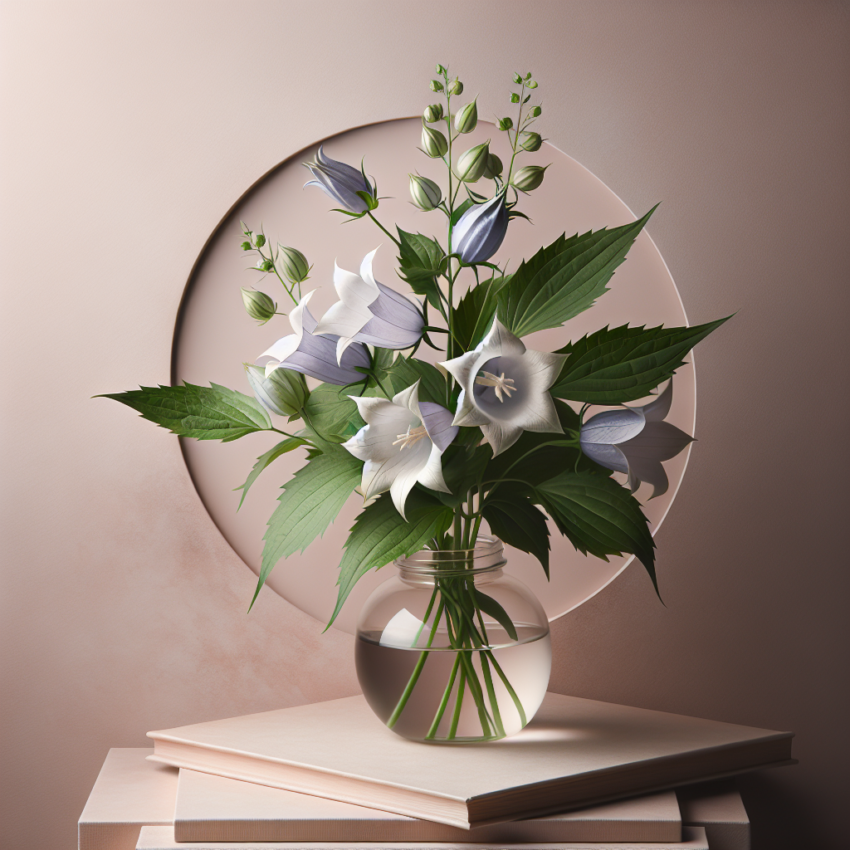
Campanula, often called bellflower due to its bell-like shape, is a versatile and charming plant that captivates garden enthusiasts and indoor plant lovers alike. Known for its delicate flowers and ease of care, campanula adds a refreshing touch of serenity to any environment. Whether you wish to enhance your garden or decorate your indoor space, understanding how to care for campanula can enrich your horticultural experience.
Embrace the Beauty of Campanula
The campanula plant offers a diverse array of varieties, each with its unique charm. These include perennials, biennials, and annuals, boasting shades of blue, purple, pink, and white. Popular for its long blooming period, the campanula can brighten up spaces from late spring to late summer.
Planting campanula in your garden can significantly improve its aesthetic appeal. These plants thrive in well-drained soil and enjoy a sunny location, although they can tolerate partial shade. With proper care, campanula can flourish, providing serene beauty indoors and outdoors alike.
Care Tips for Campanula
To ensure that your campanula grows healthy and vibrant, follow these care guidelines:
- Lighting: Campanula requires bright, indirect sunlight. While they thrive in sunny conditions, some species can adapt to partial shade.
- Watering: Maintain a regular watering schedule, allowing the soil to dry slightly between waterings. Avoid waterlogging, which can lead to root rot.
- Soil: Use well-draining soil with a neutral to slightly alkaline pH to promote healthy growth.
- Fertilizing: Feed campanula with a balanced, water-soluble fertilizer every four to six weeks during its growing season.
By following these tips, your campanula can thrive and fill your space with natural beauty. For more on integrating plants into your healthy lifestyle, consider exploring this guide on the surprising benefits of peptides as a complementary resource.
Varieties of Campanula
The world of campanula is filled with fascinating varieties that cater to different preferences. Some popular types include:
- Campanula poscharskyana: Known as the Serbian bellflower, it offers a cascading effect, ideal for ground cover or hanging baskets.
- Campanula carpatica: The Carpathian bellflower is a compact plant suitable for containers and rock gardens.
- Campanula punctata: Recognized by its spotted flowers, this variety adds a unique charm to any garden setting.
Choosing the right variety depends on your garden space, climate, and personal preference. The adaptable nature of campanula makes it a favorite among gardeners looking for versatility.
Propagation and Pruning
Propagation of campanula can be achieved through seed sowing, division, or cuttings. Seed sowing should be done in early spring, while division is best performed in early autumn. Both methods offer unique benefits, from accelerating growth to preserving plant characteristics.
Pruning is crucial for maintaining the shape and health of campanula plants. Remove spent flowers and dead foliage regularly to encourage new growth and extend blooming periods.
Pest and Disease Management
While generally hardy, campanula can sometimes fall prey to pests and diseases. Common issues include slugs, snails, and aphids, which can be managed with organic pesticides or natural deterrents like neem oil.
Disease-wise, campanula may encounter powdery mildew and rust. Ensuring good air circulation and avoiding overhead watering can mitigate these issues, keeping your plants in optimal health.
For more detailed information about campanula and their care, and other horticultural advice, consider visiting reliable online resources such as Wikipedia.
Campanula offers a balance of beauty and simplicity, making it a rewarding plant for both novice and experienced gardeners. Embrace the serenity that comes from cultivating these exquisite plants in your environment.
- Campanula is versatile, suitable for both indoor and outdoor settings.
- Caring involves proper light, watering, and well-draining soil.
- Diversity in varieties allows for customization in gardens and homes.
- Regular pruning and pest management ensure vigorous growth.
- Provides a long blooming season, enhancing aesthetic appeal.
Frequently Asked Questions
What is the best environment for campanula?
Campanula thrives in bright, indirect sunlight with well-draining soil. It can tolerate partial shade, making it adaptable for different environments.
How often should I water campanula?
Water campanula regularly, allowing the soil to dry slightly between waterings. Avoid overwatering to prevent root rot.
Can campanula grow indoors?
Yes, campanula can grow indoors if provided with adequate sunlight and a pot with good drainage. It makes an excellent container plant.
How do I propagate campanula?
Campanula can be propagated via seeds, division, or cuttings. Seed sowing in early spring and division in autumn are effective methods.
What are common pests affecting campanula?
Common pests include slugs, snails, and aphids. Manage these with natural deterrents like neem oil or organic pesticides.
Explore the beauty and tranquility that campanula brings to your life, whether as part of a lush garden or a charming indoor plant. Prioritize care, and your campanula will reward you with its magnificent bloom.