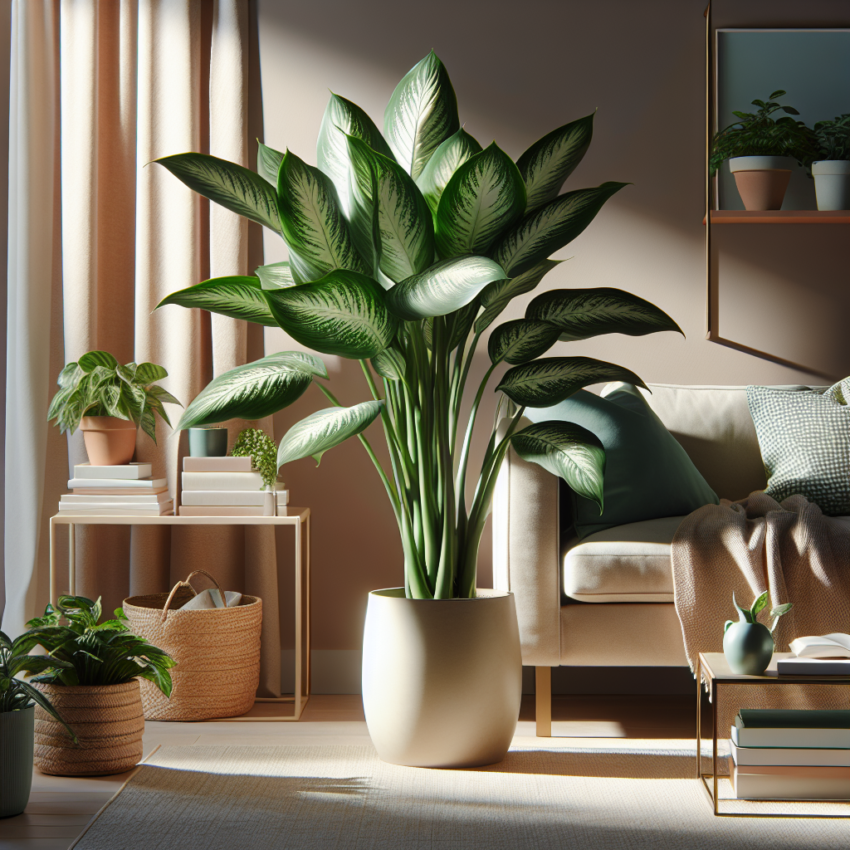
Dieffenbachia dieffenbachia is a stunning houseplant that can bring a touch of the tropics into your home. Known for its striking foliage with lush green and creamy white patterns, it is a favorite among plant enthusiasts seeking to add a bit of natural beauty to their interior spaces. Understanding its care requirements is vital for anyone looking to keep this plant thriving. In this guide, we will explore everything from ideal conditions to common concerns, ensuring your dieffenbachia remains a vibrant addition to your home decor.
Care Tips for Your Dieffenbachia Dieffenbachia
Ensuring the health of your dieffenbachia dieffenbachia starts with providing it the right environment. Native to the tropical regions of Central and South America, dieffenbachia thrives in warm, humid conditions.
Light Requirements
Dieffenbachia does best in indirect light. Direct sunlight can scorch its leaves, causing brown tips or spots. A north or east-facing window can provide the perfect balance of light.
Watering Guidelines
Water dieffenbachia when the top inch of soil feels dry. Ensure you have a pot with good drainage to prevent root rot, which is a common issue with this plant. Be careful not to overwater, as this can be detrimental to its health.
Soil and Fertilization
A well-draining potting mix is essential for dieffenbachia. You can add perlite or sand to a standard potting mix for improved aeration. During the growing season, fertilize monthly with a balanced, water-soluble fertilizer to promote lush growth.
Temperature and Humidity
Dieffenbachia prefers temperatures between 60-75°F (16-24°C). It enjoys a humid environment, so consider misting its leaves or placing it near a humidifier, especially during dry seasons.
Potential Problems and Solutions
Dieffenbachia can occasionally run into issues that require attention. Here are common problems and their solutions:
Pests
Aphids, mealybugs, and spider mites are the usual pests that may bother dieffenbachia. Regularly inspect your plant and remove pests manually or using insecticidal soap.
Leaf Yellowing
Yellow leaves can indicate overwatering or underwatering. Adjust your watering schedule accordingly and ensure that your plant receives adequate indirect light.
Brown Edges
Brown edges can be a signal of low humidity or over-fertilization. Increase humidity levels and reduce fertilization to see improvements.
Enhancing Your Home with Dieffenbachia
Dieffenbachia’s impressive textures make it an excellent decorative piece for any room. You can enhance your living space by strategically placing it where its beauty can be appreciated. For more tips on home decoration, consider using vintage maps as part of your home design.
For more detailed information on taking care of houseplants in general, consider consulting reliable resources such as this comprehensive guide on houseplants.
In conclusion, with the right care and attention, your dieffenbachia dieffenbachia can flourish and bring a touch of nature’s splendor into your home. Follow these simple guidelines to enjoy a healthy and vibrant plant.
- Dieffenbachia prefers indirect light and consistent watering.
- Ensure high humidity levels for optimal growth.
- Watch for pests and treat them promptly.
- Avoid over-fertilization to prevent leaf damage.
- Use decorative strategies to enhance your home with plants.
Is dieffenbachia toxic to pets?
Yes, dieffenbachia is toxic to pets if ingested. It’s advisable to keep it out of reach from cats and dogs.
How often should I repot my dieffenbachia?
Repotting every two to three years or when the plant outgrows its pot is recommended. This helps ensure the plant has ample space for growth.
Why are my dieffenbachia leaves drooping?
Drooping can occur due to overwatering or underwatering. Check the soil moisture and adjust watering practices accordingly.
Can dieffenbachia be propagated?
Yes, dieffenbachia can be propagated through stem cuttings. Place cuttings in water or soil to encourage new growth.
What should I do if my dieffenbachia gets leggy?
If your plant appears leggy, it may not be receiving enough light. Relocate it to a brighter spot with indirect sunlight.