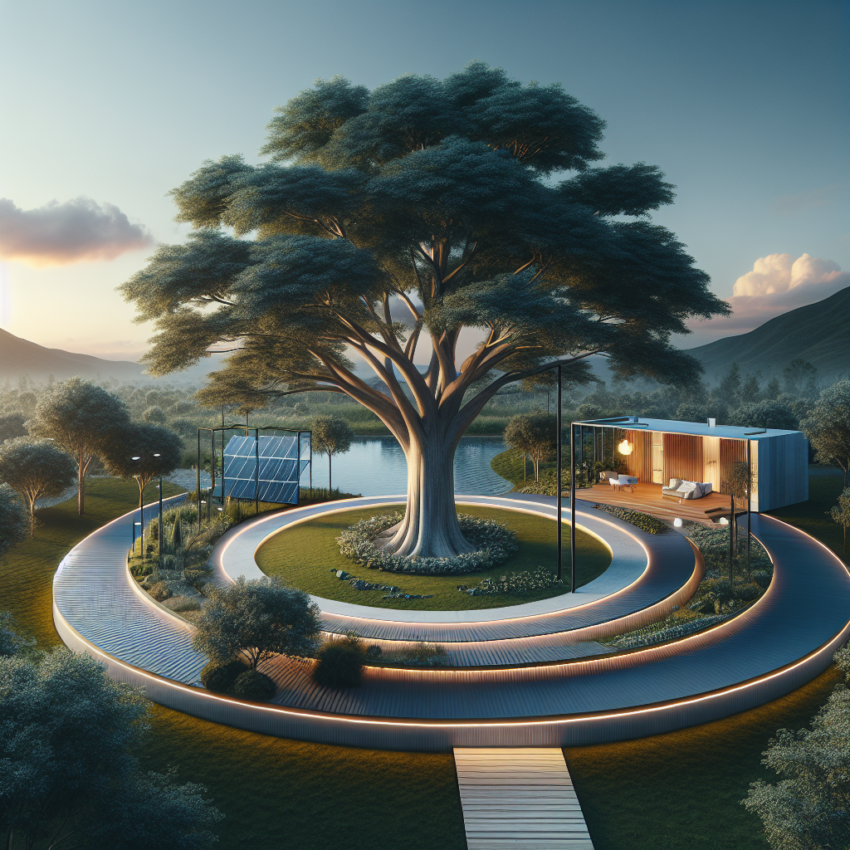
The hickory tree is a remarkable addition to any landscape, offering both aesthetic beauty and practical benefits. Known for its stunning foliage, robust wood, and the bountiful harvest of nuts, the hickory tree has a lot to offer. This article explores its advantages and how integrating this tree into your environment can enhance your outdoor space.
Why Choose a Hickory Tree for Your Landscape?
Hickory trees are cherished not just for their strength but also for their beautiful, dense canopy that provides ample shade. These trees can become impressive focal points in any garden or yard, drawing attention with their vibrant yellow autumn leaves. Moreover, their hearty wood is renowned for durability and used in various applications, from furniture making to producing flavorful smoke for grilling and smoking meats.
The Aesthetic Appeal of Hickory Trees
One of the primary reasons people choose to plant a hickory tree is the visual appeal it provides throughout the seasons. In the spring and summer, these trees boast lush, green leaves that create a serene and refreshing atmosphere. Come autumn, their foliage turns a captivating shade of yellow, adding a pop of color to any landscape.
Additionally, the hickory tree produces rich brown nuts that are not only beneficial for wildlife but can also be a delightful snack for humans. When planning your landscape, consider the ornamental and practical advantages of including this tree.
Environmental and Ecological Benefits
Beyond aesthetics, hickory trees offer significant environmental benefits. They are excellent at sequestering carbon and improving air quality. Additionally, their deep root systems help prevent soil erosion, making them ideal for stabilizing slopes and banks. The nuts provide a food source for various wildlife, including squirrels, deer, and birds, ensuring your garden remains a vibrant hub of local biodiversity.
Practical Uses of Hickory Wood
Hickory wood is prized for its strength and flexibility. It is one of the hardest and densest woods available, often used in the production of tool handles, flooring, and furniture. The unique properties of hickory make it ideal for items that require durability and resilience.
Moreover, hickory wood is frequently used in culinary practices. Its aromatic smoke imparts a distinct flavor to meats and vegetables, making it a favorite among barbecue enthusiasts. For those looking to add practical value to their landscapes, a hickory tree is an excellent choice.
To further explore creative ways to enhance your environment, you might find inspiration from upcycling technology, which creatively transforms junk into treasure.
Caring for Your Hickory Tree
Caring for a hickory tree involves understanding its growth requirements. Hickories prefer well-drained, fertile soil and adequate sunlight. Regular watering is essential, especially during the tree’s early years, to establish a strong root system.
Pruning is another crucial aspect of maintenance, removing dead or diseased branches to promote healthy growth. While hickory trees are generally low-maintenance, they can be susceptible to pests such as hickory bark beetles and diseases like canker. Monitoring the health of your tree can prevent these issues from becoming severe.
Understanding Hickory Tree Growth and Lifespan
Hickory trees grow at a moderate rate, with some species reaching heights of up to 80 feet. Their lifespan is equally impressive, with many living for hundreds of years. This longevity makes them a valuable legacy for future generations, enhancing landscapes with their enduring beauty.
For more detailed information on hickory trees, you can visit Hickory on Wikipedia.
By incorporating a hickory tree into your landscape, you’re not only enhancing its aesthetic appeal but also contributing to environmental conservation and ecological balance. With their multipurpose uses and incredible strength, hickory trees will stand as stalwart guardians in your garden for generations to come.
- Hickory trees add aesthetic beauty and valuable shade to landscapes.
- They support local wildlife with their nuts and stabilize soil with deep roots.
- Hickory wood is highly prized for its strength and versatility.
- Regular care and monitoring are essential for maintaining tree health.
- Hickories can live for hundreds of years, providing lasting benefits.
FAQ
How tall can a hickory tree grow?
Hickory trees can grow up to 80 feet tall, depending on the species and growing conditions.
What are the uses of hickory wood?
Hickory wood is used for making tool handles, flooring, furniture, and barbecue smoking chips due to its strength and flexibility.
Are hickory nuts edible?
Yes, hickory nuts are edible and can be consumed raw or roasted. They are rich in fats and provide energy.
How often should I water a newly planted hickory tree?
It’s important to water a newly planted hickory tree regularly, especially during dry spells, to ensure the establishment of a robust root system.
What pests affect hickory trees?
Hickory trees can be affected by pests like hickory bark beetles. Monitoring and maintaining the tree’s health can prevent severe infestations.