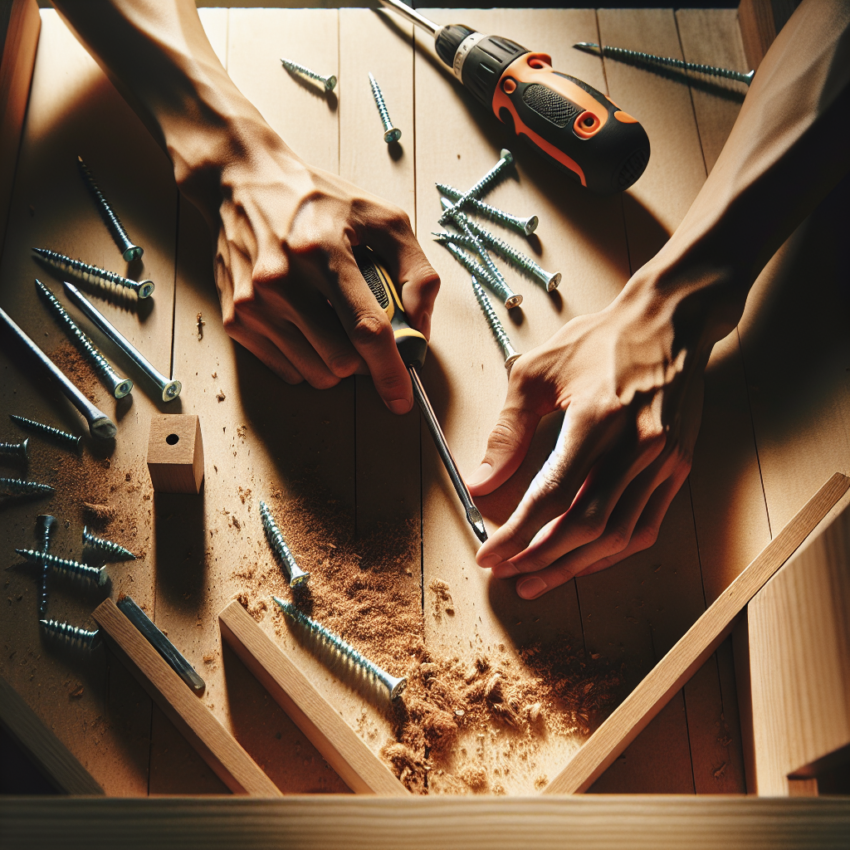
If you’ve ever tackled a DIY project, you know the frustration of encountering a stubborn screw that just won’t budge. Whether it’s through wear, rust, or over-tightening, a damaged screw can bring your project to a halt. Learning how to take out a damaged screw can save you time and reduce stress, allowing you to proceed with your work confidently.
How to Take Out a Damaged Screw
Extracting a damaged screw is no easy task but with the right methods and tools, you can tackle this common DIY problem. In this guide, we will explore the most effective techniques and tools to remove those pesky screws.
Identifying the Problem
Before you can solve the issue, it’s crucial to understand what type of damage you’re dealing with. Screws can become stripped, where the head is damaged and the screwdriver can no longer grip, or they may be rusted or broken entirely. Identifying the specific issue helps you choose the best removal strategy.
Techniques for Stripped Screws
Stripped screws are the most common type of damaged screws. Here are several strategies you can use:
- Rubber Band Method: Place a rubber band over the screw head. This provides extra grip for your screwdriver.
- Hammer and Screwdriver: Lightly tapping the screwdriver with a hammer can help it grip a stripped screw, especially with Phillips head screws.
- Specialty Screw Extractor: These are purpose-built tools designed to grip and turn out stripped screws effectively.
Removing Rusted Screws
Rusted screws can be more stubborn than their stripped counterparts. Consider these solutions:
- Lubrication: Apply a penetrating oil to loosen the rusted screw. Allow time for the oil to seep in before attempting removal.
- Heat Application: Use a heat gun to expand the metal slightly, which can break the rust bond. Exercise caution to avoid damage.
Addressing Broken Screws
When a screw breaks, leaving part of it embedded, removal becomes trickier. Here’s what you can do:
- Drill a Hole: Carefully drill a small hole into the center of the broken screw and use a screw extractor tool to remove it.
- Pliers or Vice Grips: If any piece is exposed, use pliers to twist and remove the broken screw.
Prevention Tips
Once you’ve managed to remove a troublesome screw, it’s worth taking steps to prevent reoccurrence in future projects:
- Use the Right Tool: Always match your screwdriver with the screw head type and size to avoid stripping.
- Work Slowly: Applying steady pressure ensures that your screws remain in good condition.
Mastering proper techniques for screw removal not only saves time but reduces damage to your projects.
Expanding Your DIY Skills
As you continue enhancing your DIY skills, knowing how to take out a damaged screw is essential. With the proper understanding and practice of these techniques, you can increase the success of your DIY projects and reduce headaches.
For further detailed exploration of how tools work across diverse applications, visiting Wikipedia on tools can provide a broader understanding.
- Several methods exist to successfully remove damaged screws.
- Proper tool matching prevents screw wear and damage.
- Using lubrication or heat effectively loosens rusted screws.
- Specialized tools like extractors can be helpful for broken and stripped screws.
- Learning proper techniques can streamline future DIY projects.
FAQ
What is the first step to remove a damaged screw?
Identifying the type of damage—whether stripped, rusted, or broken—is the critical first step, as it helps determine the best removal method.
Can household items help in removing damaged screws?
Yes, items like rubber bands and hammers can aid in improving grip or loosening a screw.
How can I prevent screws from becoming stuck in future projects?
Ensuring you use the proper screwdriver, as well as working slowly with steady pressure, can prevent future issues with screws.
What should I do if a screw extractor tool isn’t working?
If a screw extractor tool fails, consider alternatives like lubrication or applying heat to the screw before trying again.
Are there safety concerns when applying heat to a screw?
Yes, caution should be used to avoid burns or damage to surrounding materials. Always work in a safe environment with appropriate protective gear.