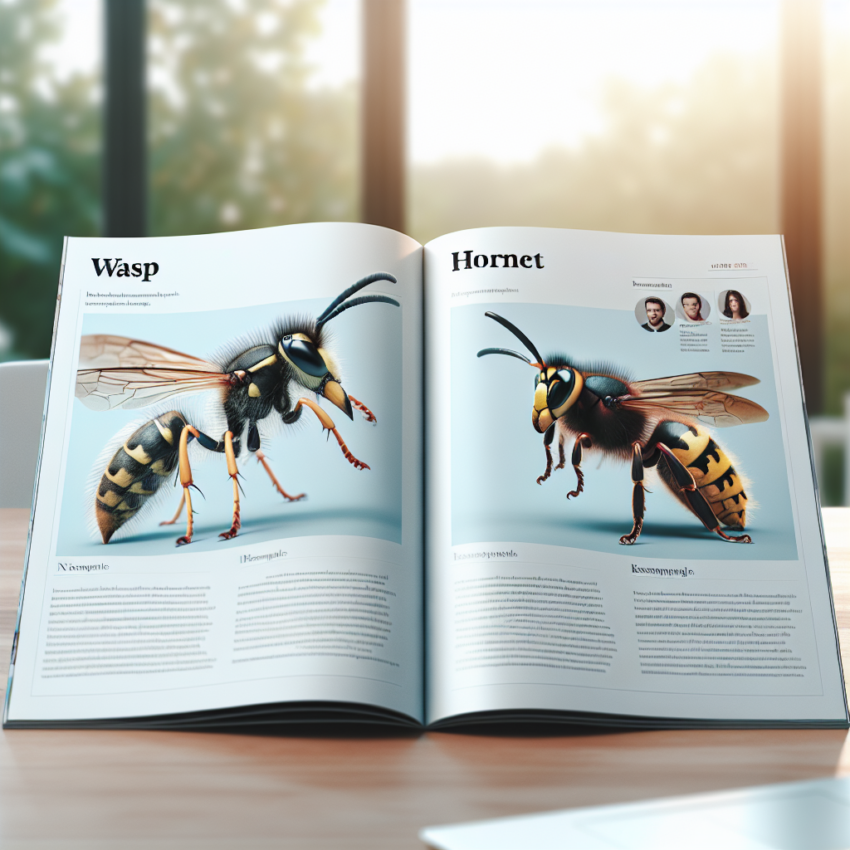
Have you ever been curious about the differences between wasps and hornets? While both are commonly seen as nuisances during outdoor events, they each have distinct characteristics and behaviors. Understanding these differences can not only aid in identification but also ensure that you handle them appropriately should they become a problem near your home.
Understanding Wasp vs Hornet
When discussing wasp vs hornet, it’s essential to recognize their physical characteristics and behaviors. Though they belong to the same family, Vespidae, their appearances and nesting habits can greatly differ. Wasps generally have slender bodies with narrow waists, whereas hornets are larger, more robust, and typically exhibit a more aggressive demeanor.
Identifying Wasps
Wasps have a variety of species, many of which display vivid colors, including black and yellow stripes. These flying insects are known for their ecological role as pollinators and predators of smaller insects. Most wasps build their nests in trees, under eaves, or in the ground, often developing paper-like structures from chewed wood fibers mixed with saliva.
Spotting Hornets
In contrast, hornets are a specific type of wasp distinguishable by their larger size and more predatory nature. They are social insects and often live in large colonies. Hornet nests can be found in hollow trees and human structures, and they appear as large, football-shaped structures constructed from paper-like material.
Nesting Behaviors and Locations
Wasps and hornets prefer different nesting environments. Understanding their preferred nesting sites can help you identify and address infestations effectively.
Where Do Wasps Build Nests?
Wasp nests are frequently found in sheltered areas, such as roof eaves, attics, or on tree branches. Some species, like the ground wasp, prefer subterranean habitats and create nests in abandoned burrows.
Common Hornet Nesting Areas
Hornets typically build their nests higher off the ground in trees, shrubs, or under the eaves of buildings. Their nests are structured to accommodate the large number of hornets in a colony and can become massive over a single season.
Dealing with Infestations
If you identify a wasp or hornet nest near your home, it’s crucial to understand how to handle it safely. Both insects can sting and may become aggressive if their nests are threatened.
Safe Removal of Wasp Nests
To deal with a wasp nest, consider the assistance of a professional pest control service, especially for large infestations. For small nests, use protective clothing and wasp spray during evening hours when wasps are less active.
Hornet Control Tips
Like wasps, hornets require careful handling due to their aggressive nature. Professional pest removal is often the safest choice. If you attempt removal yourself, ensure you’re wearing protective gear and carry out any actions at night.
The Importance of Wasps and Hornets in the Ecosystem
Despite their negative reputation, wasps and hornets play a vital role in the ecosystem. They help control pest populations and contribute to pollination.
Pollination Role
Certain wasp species visit flowers to feed on nectar, inadvertently assisting in pollination. Their activity contributes to maintaining biodiversity and supporting food production.
Pest Control Benefits
Wasps and hornets naturally reduce insect numbers by preying on pests that might otherwise harm crops or spread diseases. Encouraging their presence at a respectful distance can aid in natural pest control efforts.
For more on natural methods to support cognitive recovery, check out our guide on 7 surprising supplements for brain injury recovery.
Conclusion: Wasp vs Hornet
Knowing the differences between wasp vs hornet, how to identify them, and their ecological benefits will help you coexist with these fascinating insects. While they might pose challenges when nesting near human dwellings, understanding their roles fosters appreciation and cautious management strategies.
- Both wasps and hornets belong to the Vespidae family.
- Hornets are generally larger, more robust, and more aggressive than wasps.
- Wasps and hornets play significant roles in pollination and pest control.
- Professional pest control services are recommended for safe nest removal.
- Recognizing habitat preferences aids in proper identification and management.
Is it safe to remove wasp or hornet nests on my own?
While small nests might be managed with appropriate protective attire and insecticide sprays, larger nests are best handled by professional pest control to avoid risks of stings and aggressive behavior.
What should I do if I’m stung by a wasp or hornet?
Most stings require simple home care such as washing the area and applying ice. Severe reactions, like swelling or difficulty breathing, require immediate medical attention.
Do wasps and hornets pollinate plants?
Yes, although their primary role is pest control, certain wasp species contribute to pollination by visiting flowers for nectar.
How can I prevent wasp and hornet infestations?
Keep your environment unattractive to these insects by sealing food containers, covering trash bins, and regularly maintaining outdoor spaces to reduce nesting options.
Are wasps and hornets beneficial to the environment?
Both insects are beneficial as they help control pest populations and support plant pollination, ultimately contributing to ecological balance.
For additional information on insect behavior and their ecological impact, you can visit the Wikipedia page on insects.