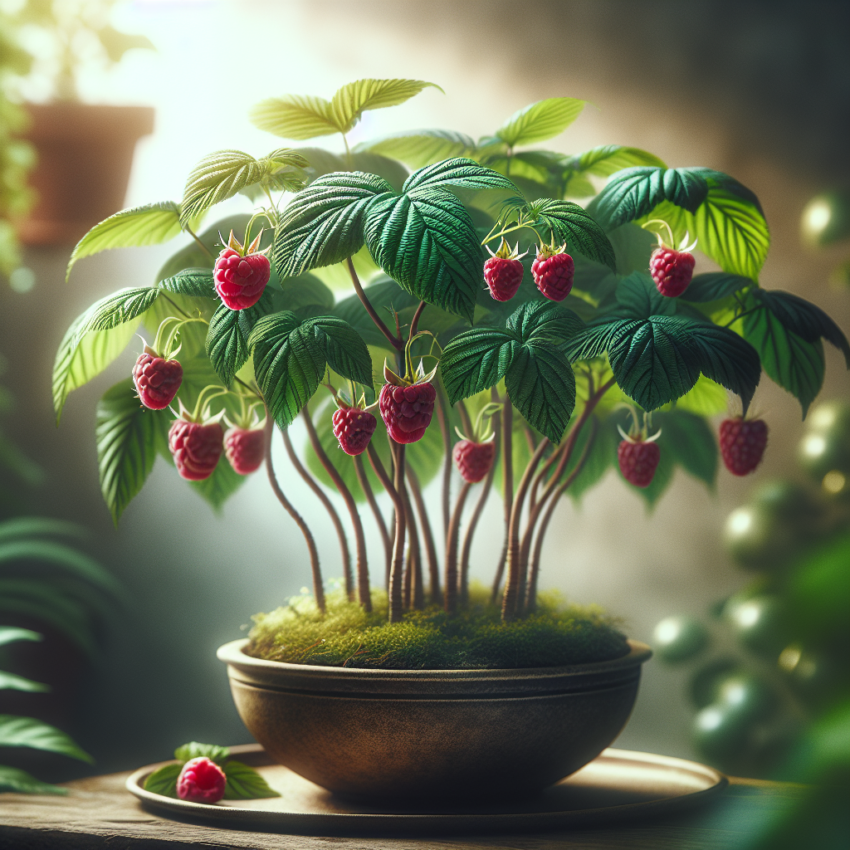
The raspberry plant is a delightful addition to any home garden, known for its deliciously sweet and juicy berries. With the right care, these plants not only beautify your space but also provide you with a satisfying harvest. Whether you’re a beginner or an experienced gardener, understanding the specifics of planting, maintenance, and harvesting can make all the difference in cultivating healthy raspberry plants.
Understanding the Raspberry Plant
Raspberry plants are perennial fruits belonging to the Rosaceae family, cherished for their vibrant fruit and ease of growth. They thrive in well-drained, fertile soil and require a certain amount of sunlight and space to grow efficiently. Raspberries can be classified into two main types: summer-bearing and ever-bearing. Summer-bearing plants produce fruit once per season, while ever-bearing plants can yield fruit multiple times throughout the growing season.
For those new to home gardening, it’s crucial to select the right variety that suits your local climate. Many newer raspberry cultivars are bred for disease resistance and enhanced flavor, which can be a significant advantage in maintaining a healthy garden.
Planting and Care for Raspberry Plants
Selecting the perfect spot for your raspberry plants is key. They grow best in areas that receive full sun for most of the day. Adequate space between plants is also important to ensure good air circulation, which helps prevent diseases. Generally, plants should be spaced about 18 inches apart, in rows that are around four feet apart.
When planting raspberries, ensure the roots are covered with soil, and water thoroughly after planting to encourage root establishment. Regular watering, especially during dry spells, is essential for consistent growth. However, be cautious not to overwater as this can lead to root rot. Consider implementing an irrigation system that can help manage watering effectively. For detailed guidance, check out this article on irrigation systems.
Pest and Disease Management
Raspberry plants can be susceptible to various pests and diseases, including aphids, spider mites, and fungal infections. Regular inspection of the plants can help catch problems early. Organic solutions such as insecticidal soap or neem oil can be effective against common pests. Maintaining cleanliness around your garden also helps reduce the risk of disease. Removing weeds and old canes at the end of the growing season can prevent overwintering threats.
Enhancing your garden’s soil with organic matter not only provides essential nutrients but can inadvertently support plant health, making them more resistant to various diseases. A properly mulched garden retains moisture effectively and suppresses unwanted weed growth.
Harvesting Your Raspberry Bounty
Raspberry plants typically produce fruit in their second year of growth. The berries should be picked when they come off the plant easily and appear bright and firm. Raspberries are best harvested in the morning when the dew has evaporated but before the heat of the day. Regular harvesting encourages further fruit production.
For those aiming to store their harvest, raspberries can be frozen or made into preserves, ensuring you enjoy their delightful flavor long after the growing season has ended. These delicious berries are rich in vitamin C and dietary fiber, making them a healthy addition to your diet. You can learn more about their health benefits at this resource.
Maintaining Your Raspberry Plant Year-round
Year-round care of raspberry plants will ensure they remain healthy and productive. In the fall, prune out old canes that have borne fruit, leaving the new canes for the next season. Mulching around the base of the plants helps protect the roots during winter. Regularly inspect for any signs of disease or stress and adjust care practices accordingly.
Finally, as with any plant, providing adequate nutrition through compost or balanced fertilizers promotes vigorous growth and improved fruit size. Your raspberry plant can thrive with the right care and attention, adding beauty and bounty to your home garden.
Takeaways
- Raspberry plants require full sunlight and well-drained soil for optimal growth.
- Regular watering and proper spacing help prevent disease.
- Prune in the fall to maintain plant health and productivity.
- Raspberries are rich in nutrients and can be enjoyed fresh or preserved.
- Consider organic pest management solutions to protect your plants.
FAQ
How often should I water my raspberry plants?
Raspberry plants need about 1 to 1.5 inches of water per week, either from rainfall or supplemental watering. Be sure to adjust based on weather conditions.
What type of soil is best for growing raspberries?
Raspberries thrive in well-drained, fertile soil with a slightly acidic to neutral pH level, typically between 5.6 and 6.2.
Can I grow raspberries in a container?
Yes, raspberries can be grown in containers as long as the pot has good drainage, is large enough to accommodate growth, and the plants receive ample sunlight.
When is the best time to plant raspberries?
The ideal time to plant raspberries is in early spring after the last frost, or in late fall, depending on your climate zone.
Are there natural ways to deter pests from raspberry plants?
Incorporating companion plants like marigolds or garlic around your raspberries can help deter common pests. Regular inspection and using organic pest control methods can also be effective.