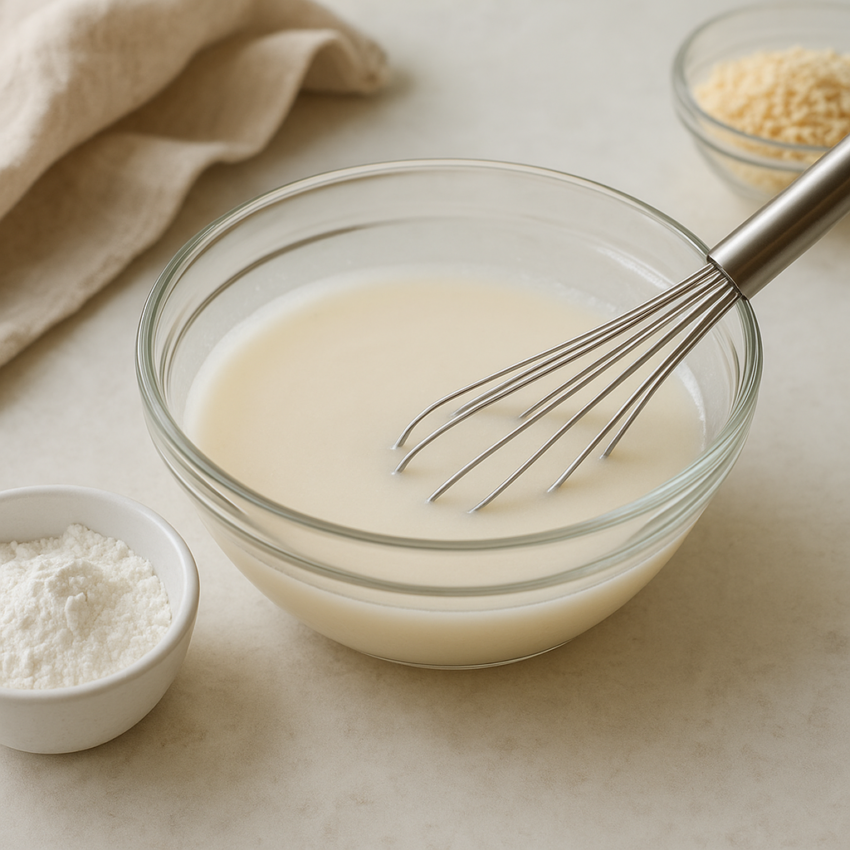
Cooking enthusiasts and culinary explorers often search for ways to enhance the texture and consistency of their sauces, gravies, and soups. For many, a cornstarch slurry is the answer. This simple yet effective mixture of cornstarch and water or other liquid can transform a dish from ordinary to exceptional, offering just the right thickness without altering the flavor profile.
Understanding Cornstarch Slurry
A cornstarch slurry is a versatile thickening agent used in a wide variety of dishes. Made by mixing cornstarch with a liquid, typically water, broth, or wine, this slurry can be added to bubbling pots to create silky and flavorful sauces. By using a cornstarch slurry, you can have full control over the texture of your dish, achieving a perfectly balanced consistency every time.
How to Make a Cornstarch Slurry
Creating a cornstarch slurry is incredibly straightforward. The general rule of thumb is to mix 1 tablespoon of cornstarch with 2 tablespoons of cold water. It’s crucial to use cold liquid as it allows the cornstarch granules to dissolve properly without clumping. Once mixed, this slurry can be gradually whisked into a hot dish to achieve the desired thickness.
Why Use a Cornstarch Slurry?
There are several reasons why a cornstarch slurry might be the preferred choice for thickening. Firstly, it has a neutral taste, ensuring that the flavor of your dish remains unaltered. Additionally, it’s a gluten-free alternative, making it suitable for those with dietary restrictions. The slurry also provides a glossy finish, enhancing the visual appeal of your creation.
Applications of Cornstarch Slurries in Different Dishes
Cornstarch slurries are popular in many cuisines, especially in Asian cooking. They’re used in stir-fries, sauces, and soups. The corn starch slurry is effective in binding liquids within a dish, ensuring that each bite is as flavorful as the last. Whether you’re crafting a delicate cream sauce or a hearty stew, the addition of a cornstarch slurry can elevate your dish.
Troubleshooting Common Issues
If your cornstarch slurry isn’t thickening as expected, consider these tips: Ensure the liquid you are adding the slurry to is boiling. If it’s not hot, the thickening process will stall. Also, consider the ratio; using too little cornstarch may result in an unsuccessful slurry. Lastly, avoid overcooking the slurry as extended heat exposure can break down the thickening properties.
Adjusting Flavor and Consistency
Besides water, other flavorful liquids can be used to create your slurry. Broth, stock, or even juice can enhance the character of your dish while thickening it. It’s all about experimenting and finding what works best for your particular culinary creation.
For those interested in exploring various thickening agents, consider looking into natural remedies and supplements that also offer diverse culinary applications.
The Final Word on Cornstarch Slurry
Mastering the art of creating and using a cornstarch slurry can open new doors in your cooking journey. Whether you’re thickeningsoups, sauces, or other dishes, understanding how to effectively use a cornstarch slurry will significantly expand your culinary prowess.
For further reading on the science and applications of thickeners, visit this comprehensive resource from Wikipedia.
- Cornstarch slurry is a versatile thickening agent suitable for various dishes.
- Always mix cornstarch with cold liquid to dissolve properly.
- This technique is gluten-free and maintains the dish’s original flavor.
- Perfect for use in both sweet and savory recipes.
- Experiment with different liquids for unique flavor variations.
What is a cornstarch slurry?
A cornstarch slurry is a mixture of cornstarch and a liquid used to thicken sauces, soups, and other dishes. It gives a smooth and glossy texture without altering the dish’s flavor.
Why should the liquid be cold when making a cornstarch slurry?
Cold liquid prevents the cornstarch from clumping, allowing it to dissolve evenly and ensuring a smooth, lump-free consistency.
Can cornstarch slurry be used in all types of cooking?
Yes, it can be used in both sweet and savory dishes. It’s especially popular in Asian cuisine for dishes like stir-fries and soups due to its glossy finish and neutral taste.
Are there any alternatives to using a cornstarch slurry?
Yes, other thickeners include flour, arrowroot, and tapioca starch. Each has its unique properties, so the choice depends on your dietary needs and desired texture.
What should I do if my sauce becomes too thick?
Simply add more liquid, such as water or broth, to thin it out. Stir continuously until you reach the desired consistency. Adjust seasoning as necessary to maintain flavor.