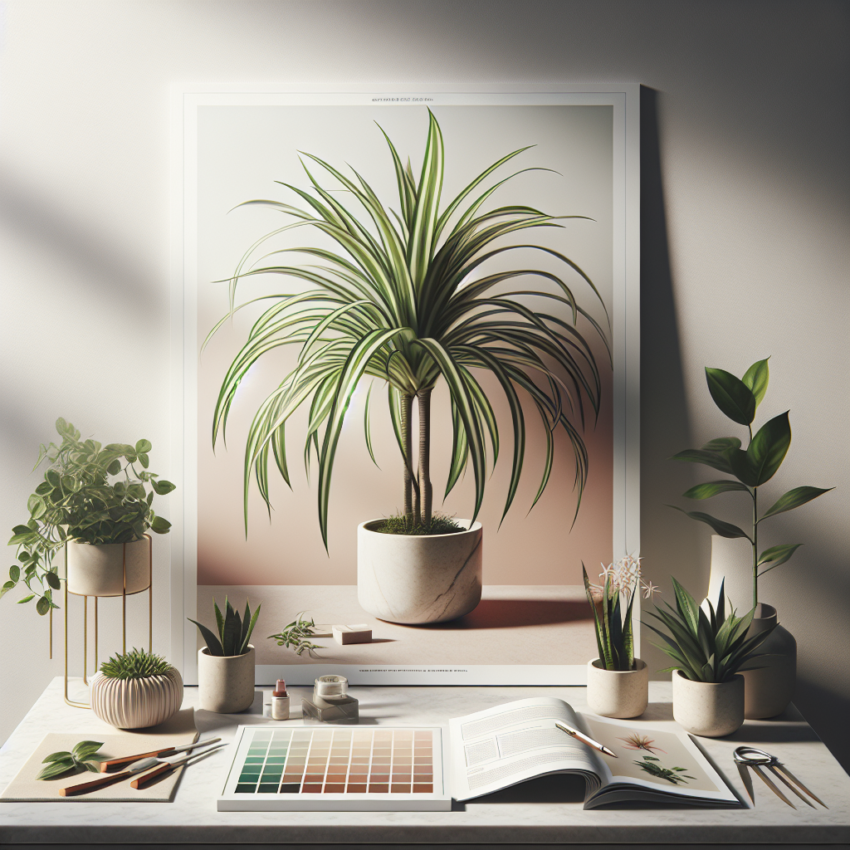
Chlorophytum, commonly known as the spider plant, is a beloved choice for plant enthusiasts due to its resilience and visual appeal. Understanding essential chlorophytum spider plant care is crucial for cultivating thriving, healthy plants. These care tips will help you maintain your chlorophytum spider plant in optimal condition for flourishing growth and beauty.
Chlorophytum Spider Plant Care Essentials
Mastering the art of chlorophytum spider plant care begins with understanding the plant’s basic needs. These houseplants are forgiving, which makes them perfect for both beginners and seasoned gardeners looking to enhance their indoor botanic collection.
Optimal Light Conditions
Spider plants thrive in bright, indirect sunlight. Direct sunlight can scorch their leaves, while too little light can stunt growth. Position the plant near a north or east-facing window to receive ample indirect light. An ideal spot mimics their natural habitat, which is typically dappled sunlight filtering through the canopy in forests.
Watering Guidelines
These plants appreciate a consistent watering schedule. The soil should be allowed to dry out slightly between waterings. Overwatering can lead to root rot, while under-watering might cause brown leaf tips. Feel the top inch of soil to assess if it’s time to water. Remember, in winter months, plants generally require less water due to slower growth rates.
Temperature and Humidity
Spider plants are adaptable but prefer temperatures between 65-75°F (18-24°C). They are not frost-tolerant, so it’s crucial to keep them away from cold drafts and extreme temperatures. Humidity levels typical to most homes should suffice, but occasional misting can benefit the plant, especially in drier environments.
Soil and Drainage
A well-draining, airy potting mix is vital for healthy spider plants. Most general-purpose potting soils work well. Ensure the chosen pot has drainage holes to prevent waterlogging. Pots without drainage can cause water stagnation, detrimental to the plant’s roots.
Feeding Your Spider Plant
Fertilize your spider plant sparingly. A balanced liquid fertilizer applied every two months during the growing season (spring and summer) helps in maintaining lush foliage. Avoid over-fertilizing, as this can lead to fertilizer burn on the leaf tips.
Repotting Your Chlorophytum
Spider plants grow at a moderate pace and may become root-bound with lush leaf growth. Repotting every 1-2 years or when the roots completely fill the pot is recommended. This promotes healthy growth and prevents the plant from becoming too big for its container.
Pest Management
Though resilient, spider plants can sometimes fall prey to pests like aphids, spider mites, and mealybugs. Regularly check the undersides of leaves and stems for signs of invasion. An insecticidal soap or neem oil spray can effectively manage infestations.
Solving Common Problems
Browning leaf tips are a common issue, often caused by inconsistent watering or fluoride in tap water. Using distilled or rainwater can mitigate this. If leaves yellow or growth slows, reassess light levels and watering frequency. A well-balanced environment usually rectifies these problems.
Whether you’re nurturing your first spider plant or expanding your indoor garden, understanding these tips will ensure your chlorophytum spider plant care routine supports robust growth and vibrant greenery. For more general health care insights, check out our health and wellness articles.
External Resources for Spider Plant Care
For more in-depth information on the chlorophytum, consider visiting Chlorophytum Comosum on Wikipedia which offers additional insights into the biology and ecology of this fascinating plant.
- Spider plants prefer bright, indirect light.
- A consistent watering schedule is key to avoiding root rot.
- They thrive in temperatures between 65-75°F (18-24°C).
- Fertilize sparingly to maintain vibrant growth.
- Regular monitoring can prevent pest infestations.
What is the best way to water a spider plant?
Water the plant when the top inch of soil feels dry, allowing it to dry out slightly between waterings to prevent root rot.
Can spider plants grow in low light?
While they can tolerate low light conditions, spider plants thrive best in bright, indirect light, promoting healthier and more vibrant growth.
How often should I repot my spider plant?
Repot every 1-2 years or when the plant becomes root-bound, ensuring it has sufficient space to grow and develop.
Are spider plants safe for pets?
Yes, spider plants are non-toxic to both cats and dogs, making them a pet-friendly choice for homes with furry friends.
How can I encourage my spider plant to produce “babies”?
Provide optimal light and care; “babies” or offshoots typically appear when the plant is healthy, well-fed, and situated in a conducive environment. Regular pruning can also stimulate offshoot growth.