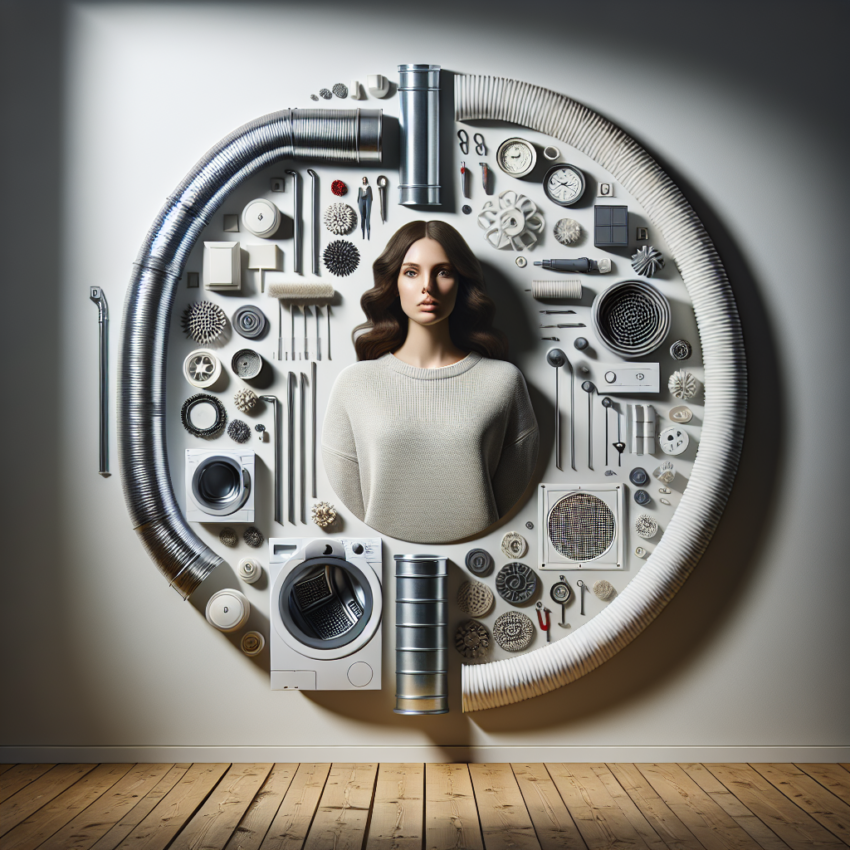
Installing a clothes dryer vent may seem like a daunting task, but with the right approach, you can accomplish this home improvement project efficiently and safely. Proper clothes dryer vent installation is crucial for optimal dryer performance and preventing potential hazards like fires or mold growth. In this article, we’ll discuss essential tips for a successful installation, covering everything from selecting the right materials to ensuring safe maintenance.
Understanding Clothes Dryer Vent Installation
When tackling clothes dryer vent installation, it’s important to understand the components that make up the system and the role each plays. A dryer vent system includes the vent hose, a vent cap, and sometimes additional fittings to secure connections. Ensuring these components are properly installed can prevent common issues associated with accumulation of lint and moisture. Regular maintenance is also a key factor in ensuring your dryer operates efficiently for many years.
Choosing the Right Vent Materials
One of the first steps in dryer vent installation is selecting the right materials. Flexibility and durability are crucial when choosing a vent hose. Experts often recommend aluminum ducting over vinyl tubing, as it is more heat-resistant and less prone to trapping lint. Make sure the vent and hose size are suitable for your dryer model to avoid unnecessary complications and ensure proper functioning.
Optimal Vent Pathway
Determining the best path for your dryer vent is critical. The vent should take the shortest possible route to the outside, reducing the number of turns or bends, which can trap lint and impede airflow. A typical installation involves routing the vent through an exterior wall. If that’s not possible, consider alternatives such as venting through a window or roof, always adhering to local building codes.
Installation Steps and Tips
- Measure and Cut the Vent Tubing: Before installing, measure the distance from the dryer to the external vent opening. Cut the duct to the necessary length, leaving some slack to prevent kinks or pinched sections.
- Attach Connectors: Secure the vent hose to the dryer using a hose clamp, making a snug fit without crimping the duct. Attach the other end to the vent cap or wall opening.
- Seal and Secure: Use metal foil tape to seal joints and connections securely. Avoid common household tape as it may degrade over time.
- Install the Vent Cap: On the outside of your building, position the vent cap securely, with a downward slope to prevent wind and rain from entering.
Regular Maintenance of Dryer Vents
Proper maintenance of your clothes dryer vent installation can significantly extend the lifespan of your dryer and prevent potential hazards. Regularly check for lint buildup and clean the vent at least once a year. If you notice your clothes are taking longer to dry, it might be a sign that the vent is clogged. Cleaning the dryer drum and lint trap after each use is also recommended to ensure smooth operation.
Safety Considerations
Keeping safety at the forefront, avoid common mistakes such as using screws or fasteners that protrude into the duct, as these can trap lint. Always follow the manufacturer’s recommendations for installation and usage instructions. Explore resources like energy.gov for additional safety and energy-saving tips here.
For those interested in other home projects, find value in understanding how casual clothing styles can influence your workout experience.
Remember, ensuring your home’s safety and the longevity of your appliances depends on following the right steps and giving proper attention to each detail. With careful planning and execution, clothes dryer vent installation can enhance your home’s efficiency and safety.
Takeaways
- Use high-quality, heat-resistant ducting for safety and efficiency.
- Plan the vent path with minimal turns to optimize airflow.
- Seal connections properly with metal foil tape, avoiding household tape.
- Perform regular maintenance to prevent lint buildup and related hazards.
- Consult local codes and professional guidelines for installation best practices.
Frequently Asked Questions
Why is proper clothes dryer vent installation important?
Proper installation is crucial for efficient dryer operation, safety, and preventing fire hazards caused by lint buildup.
Can I use vinyl tubing for dryer venting?
It’s recommended to use aluminum ducting instead of vinyl, as it’s more durable and heat-resistant, reducing the risk of hazardous lint buildup.
How often should I clean my dryer vent?
Cleaning should be done at least once a year, or more frequently if you notice reduced drying performance or longer drying times.
What are signs of a clogged dryer vent?
Signs include longer drying times, dryer overheating, clothes being unusually hot after drying, or a burning smell.
What should I do if I can’t vent through a wall?
Consider alternative ventilation options like through a window or roof, ensuring compliance with local building regulations.