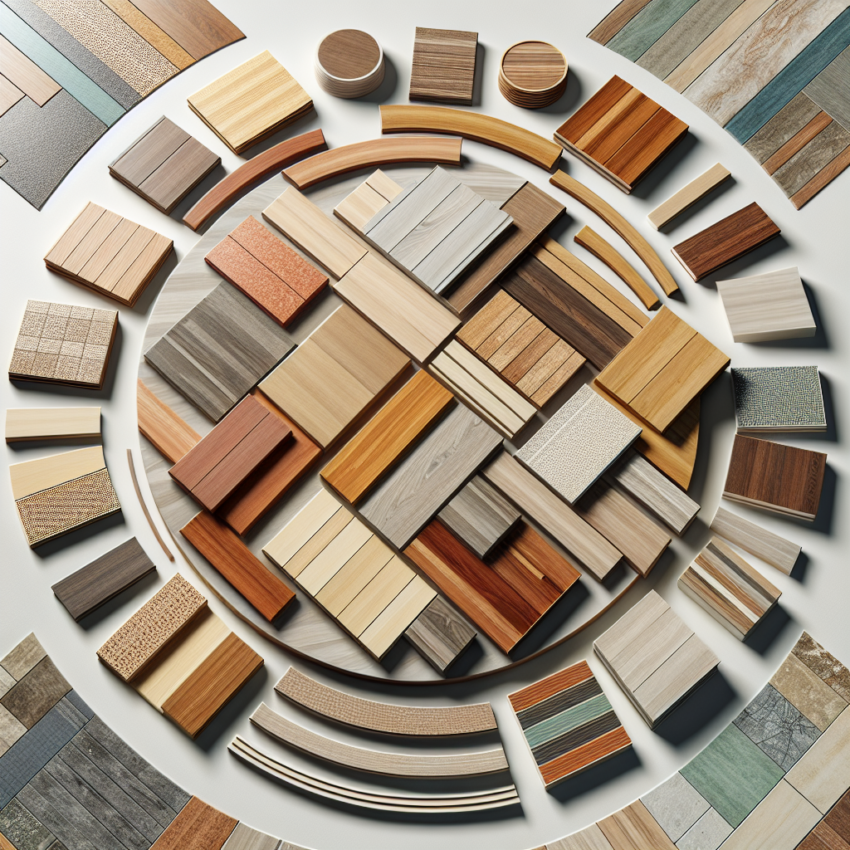
When embarking on a home renovation project, choosing the right floorboards is a critical decision. With various floorboard types available, making the best choice for your style and budget requires careful consideration. This guide will help you navigate through the different floorboards types, highlighting their unique characteristics and benefits.
Popular Floorboards Types for Home Renovation
Choosing floorboards is not just about picking a material; it’s about understanding what each type brings to your home in terms of aesthetics, durability, and maintenance. Here’s a breakdown of the most popular floorboards types that homeowners choose for renovations.
Solid Hardwood Flooring
Solid hardwood is a timeless choice for many homeowners due to its durability and classic aesthetic. Made of solid wood, these boards can be sanded and refinished multiple times, extending their lifespan considerably. They come in various species like oak, maple, and walnut, each offering unique grain patterns and colors that add character to any room.
Engineered Wood Flooring
Engineered wood combines a thin layer of solid wood on top and plywood beneath, providing both stability and resistance to humidity. This makes it an excellent choice for areas prone to moisture, such as basements or kitchens. Plus, it offers the appearance of solid wood at a more affordable price point.
Laminated Flooring
Laminated flooring mimics the look of wood at a fraction of the price. Made from a photographic layer under a clear protective coating, it’s known for being scratch-resistant and easy to maintain. Its click-lock installation system allows DIY enthusiasts to install it without professional help.
Bamboo Flooring
Bamboo is an eco-friendly flooring option that’s gaining popularity. It’s a sustainable resource with a distinctive grain and color. Bamboo is typically more moisture-resistant than traditional hardwood, making it suitable for diverse climates.
Vinyl Planks
Vinyl planks are one of the most versatile and cost-effective flooring solutions. They are water-resistant, durable, and available in a wide array of patterns and colors, including those simulating wood, stone, or tiles. This makes them ideal for both high-traffic areas and rooms with higher moisture levels.
Factors to Consider When Choosing Floorboards Types
Selecting floorboards involves considering several factors to ensure they meet your functional and aesthetic needs:
- Durability: Ensure the floor type can withstand the level of foot traffic in your home.
- Maintenance: Some floorboards require regular upkeep, while others offer low maintenance solutions.
- Budget: Different materials and installation methods can greatly affect your budget.
- Aesthetic Appeal: Consider how the color, grain, and texture will blend with your home’s decor.
- Environmental Impact: If eco-friendliness is a priority, options like bamboo or sustainably sourced wood might be appealing.
Installation and Maintenance
Proper installation and maintenance are crucial for the longevity and appearance of your floorboards. While some types like laminated flooring are easy for DIY projects, others such as solid hardwood might require professional installation. Regular cleaning and, if necessary, refinishing will keep your floors looking new for years.
For those interested in other decorative elements for your home renovation, you can explore the use of vintage maps for a timeless design trend.
Benefits and Drawbacks of Different Floorboards Types
Each floorboard type brings its own set of benefits and potential drawbacks. Understanding these can aid in making an informed decision.
- Solid hardwood provides unmatched beauty and can be refinished but may be costly and susceptible to moisture.
- Engineered wood offers similar aesthetic benefits with added stability, though it might not last as long as solid hardwood.
- Laminated flooring is budget-friendly and easy to install but might not offer the same luxurious feel as real wood.
- Bamboo is eco-friendly and versatile but can be prone to scratches.
- Vinyl planks are highly durable and water-resistant; however, they might not increase your home’s value as much as wood floors.
For more details on flooring and their implications, you might want to visit this comprehensive resource.
Conclusion
Understanding floorboards types and what each style offers in terms of appearance, durability, and price points can significantly impact your home renovation success. By considering your specific needs and the characteristics of each flooring type, you can make an informed choice that enhances the beauty and value of your home.
- Consider the room’s usage when selecting floorboards.
- Think about long-term maintenance requirements.
- Investigate eco-friendly options for sustainability.
- Keep your budget in mind during your selection process.
- Be aware of potential installation complexities and costs.
Frequently Asked Questions
What is the most durable type of floorboards?
Engineered wood and vinyl planks are known for their durability, making them excellent choices for high-traffic areas.
Can I install floorboards myself?
Certain types like laminated and vinyl planks are suitable for DIY installation, thanks to their user-friendly locking systems.
What are the best floorboards for a moisture-prone area?
Engineered wood and vinyl planks are more resistant to moisture, making them ideal for kitchens and bathrooms.
How do I maintain hardwood floorboards?
Regular sweeping, occasional mopping with a damp—not wet—mop, and periodic refinishing will maintain hardwood floorboards effectively.
Are there eco-friendly floorboard options?
Bamboo flooring is a sustainable option and offers similar durability to hardwood, with the added benefit of eco-friendliness.