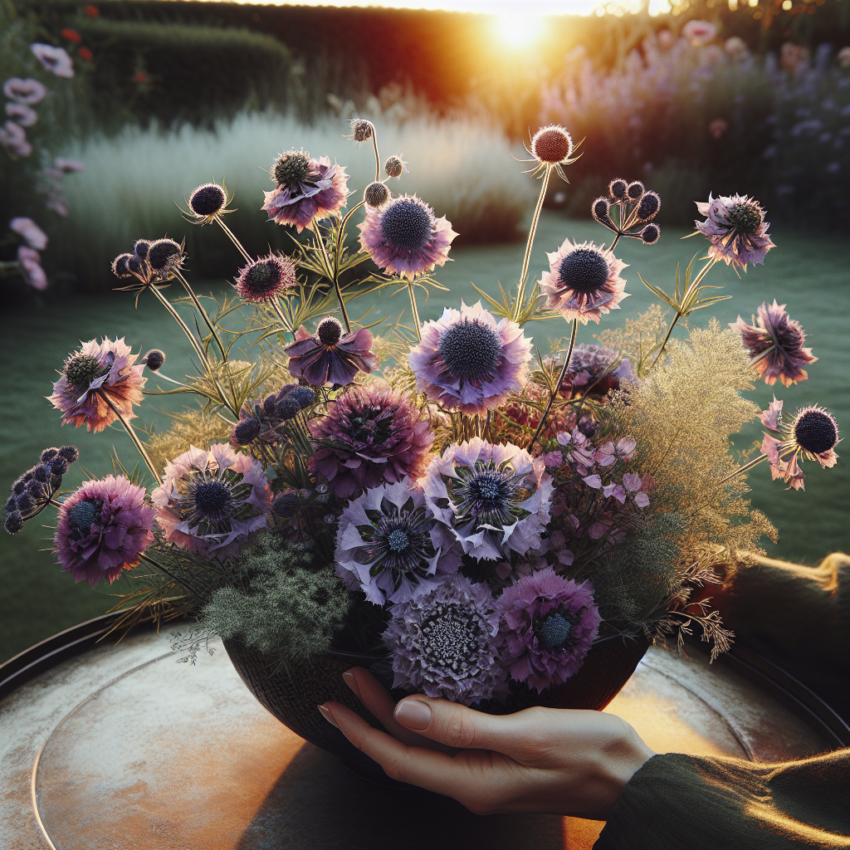
Incorporating scabiosa into your garden can be a rewarding experience. Known for its striking beauty and unique form, scabiosa, often referred to as the pincushion flower, can bring elegance and a splash of color to any landscape. This flower not only enhances garden aesthetics but also offers some surprising benefits that may interest gardeners and nature enthusiasts alike.
The Alluring Charm of Scabiosa
Scabiosa is a perennial favorite among gardeners seeking to add a unique touch to their gardens. The plant stands out with its pincushion-like blooms, which attract beneficial insects such as butterflies and bees. Its gentle swaying in the breeze also creates a mesmerizing dance of colors, ranging from soft pastels to vibrant blues and purples.
Beyond their visual appeal, these flowers are known for their adaptability. Scabiosas thrive in a variety of climates and soil conditions. This makes them an excellent choice for gardeners looking to diversify their floral selection without extensive maintenance.
Growing Scabiosa in Your Garden
Planting scabiosa can be a straightforward process. To begin, choose a well-drained location that receives full sun or partial shade. Scabiosa plants prefer slightly alkaline soil, though they can tolerate a pH range from 6.0 to 8.0. Consider incorporating organic compost to enhance soil fertility, promoting healthy growth.
Once planted, water your scabiosa regularly but ensure the soil is never waterlogged. A layer of mulch can be beneficial to retain moisture and suppress weeds. Deadheading, or removing spent blooms, will encourage continuous flowering throughout the season. With minimal effort, your garden will soon boast lush patches of these captivating blooms.
Like to Learn More About Natural Solutions?
If you’re interested in additional natural remedies for lifestyle enhancements, explore natural solutions and herbal supplements that promote holistic well-being.
Scabiosa: More Than Just a Pretty Flower
Aside from its ornamental benefits, scabiosa is appreciated for its ecological contributions. The blossoms attract pollinators, playing a vital role in the ecosystem by aiding in the reproduction of nearby plants. This can lead to a more vibrant and biodiverse garden.
Additionally, some components of scabiosa are being studied for potential health-related benefits. While more research is needed, compounds found in scabiosa flowers may offer antioxidant properties. This aligns with increasing interest in natural ingredients for health support, although it’s essential to consult with professionals before considering any such use.
Deeper Inquiry into the Botanical World
Gardening with scabiosa can be both an aesthetic joy and an ecological boon. As you cultivate your garden space with these flowers, you become a part of a larger environmental tapestry, contributing to biodiversity and the health of local ecosystems. Scabiosa reminds us of the interconnectedness of plants and their importance in our daily lives.
For additional insights into the benefits of plant-based well-being, consider visiting resources such as this comprehensive guide on health from Wikipedia.
Whether you’re a gardening enthusiast or an individual seeking deeper immersion into the natural world, scabiosa offers both beauty and functionality. By planting scabiosa in your garden, you invite not only vibrancy and charm but also the nurturing of local wildlife.
- Scabiosa is ideal for adding unique charm and color to gardens.
- It’s easy to cultivate, thriving in various soil types and climates.
- Scabiosa supports local ecosystems by attracting pollinators.
- Research is exploring its potential antioxidant properties.
- Integrating scabiosa into gardening contributes to increasing biodiversity.
FAQ About Scabiosa
What is the best time to plant scabiosa?
Scabiosa can be planted in either spring or fall. Early planting gives the flower plenty of time to establish roots before blooming season.
How much water does a scabiosa plant need?
Scabiosa plants prefer moderate watering, allowing the soil to dry out slightly between sessions to prevent root rot.
Is scabiosa a perennial or annual flower?
Scabiosa can be both. Some varieties are perennial, while others are annuals. Check the specific type when planning your garden.
Can scabiosa grow in pots?
Yes, scabiosa thrives in containers, provided they have adequate drainage and receive plenty of sunlight.
Do scabiosa flowers have any medicinal uses?
While some traditional uses exist, modern research into medicinal uses is ongoing. Always consult healthcare professionals before using plants for health purposes.