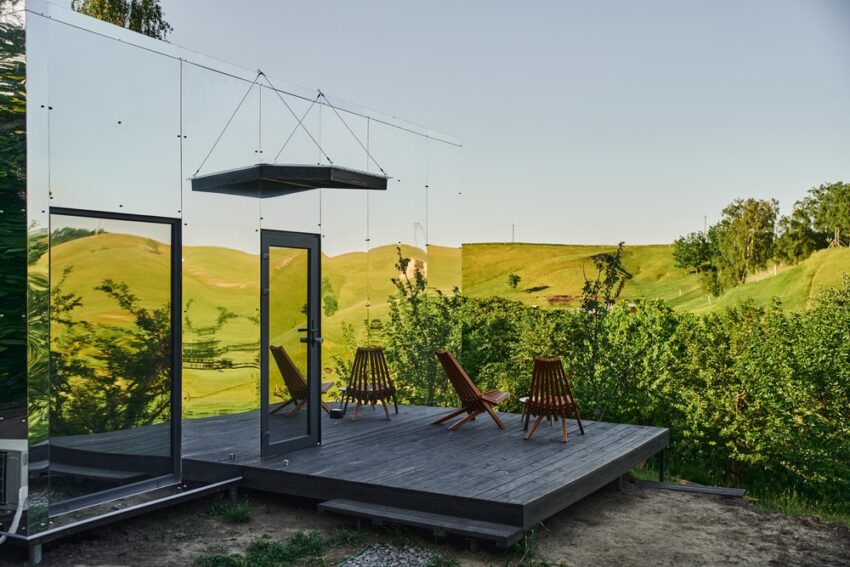
In the face of escalating climate change challenges, the concept of climate-responsive homes is gaining traction as a pivotal solution for sustainable living. These homes are designed to harmonize with their environment, reducing energy consumption and enhancing occupant comfort. By integrating natural elements and innovative technologies, climate-responsive homes not only contribute to environmental sustainability but also promise economic benefits and improved quality of life.
Understanding Climate-Responsive Architecture
Climate-responsive architecture involves designing buildings that adapt to local climatic conditions. This approach minimizes reliance on artificial heating and cooling systems by utilizing natural resources such as sunlight, wind, and thermal mass. By aligning architectural designs with environmental realities, these homes reduce energy consumption and carbon emissions, contributing to a sustainable future.
Key Features of Climate-Responsive Homes
1. Passive Solar Design
• Utilizes building orientation and window placement to maximize natural light and heat during winter while minimizing heat gain in summer.
2. Natural Ventilation
• Incorporates design elements like cross-ventilation to promote airflow, reducing the need for air conditioning.
3. Thermal Mass
• Uses materials that absorb and store heat during the day and release it at night, maintaining stable indoor temperatures.
4. Insulation and Shading
• Employs high-quality insulation and strategic shading to enhance energy efficiency and comfort.
Benefits of Climate-Responsive Homes
Economic Advantages
Climate-responsive homes offer significant economic benefits by reducing energy costs. The integration of passive systems lowers the need for mechanical heating and cooling, leading to substantial savings on utility bills. Over time, these savings can offset initial construction costs, making these homes a financially viable option.
Enhanced Comfort and Well-being
By prioritizing natural light, ventilation, and temperature control, climate-responsive homes create healthier living environments. Improved air quality and thermal comfort enhance occupant well-being, leading to increased productivity and satisfaction.
Environmental Sustainability
These homes play a crucial role in reducing the environmental footprint of residential buildings. By minimizing energy consumption and utilizing sustainable materials, they contribute to lower greenhouse gas emissions and resource conservation.
Designing Climate-Responsive Homes
Site Analysis
A thorough analysis of the site is essential for designing climate-responsive homes. Understanding local climate patterns, sun paths, wind directions, and topography helps architects optimize building orientation and design elements.
Material Selection
Choosing materials with high thermal mass or insulating properties is critical for maintaining comfortable indoor temperatures. Locally sourced materials can reduce transportation emissions and support regional economies.
Integration of Renewable Energy
Incorporating renewable energy sources like solar panels or wind turbines further enhances the sustainability of climate-responsive homes. These systems can provide clean energy for household needs, reducing dependency on fossil fuels.
Challenges in Implementing Climate-Responsive Design
While climate-responsive homes offer numerous benefits, there are challenges to their widespread adoption:
3. Initial Costs
• The upfront investment for sustainable materials and technologies can be higher than conventional construction methods.
2. Design Complexity
• Creating a design that effectively responds to local climates requires expertise and careful planning.
3. Regulatory Barriers
• Building codes and regulations may not always support innovative design approaches necessary for climate responsiveness.
Case Studies: Successful Climate-Responsive Homes
Several projects worldwide exemplify the potential of climate-responsive design:
The Bullitt Center (Seattle, USA)
• Known as the greenest commercial building in the world, it uses rainwater harvesting, solar panels, and composting toilets to achieve net-zero energy use.
The Edge (Amsterdam, Netherlands)
• This office building maximizes natural light through smart window placement and uses an advanced ventilation system to maintain air quality.
Earthship Biotecture (Taos, USA)
• These off-grid homes use recycled materials for construction and incorporate passive solar design principles for heating and cooling.
Future Prospects: Building for a Sustainable Future
As awareness of environmental issues grows, the demand for climate-responsive homes is expected to increase. Advances in technology will continue to enhance their efficiency and affordability, making them accessible to a broader audience.
Innovations on the Horizon
Smart Home Technologies
• Integration of IoT devices for real-time monitoring of energy use can optimize resource management.
Advanced Materials
• Development of new materials with superior insulating properties could further reduce energy needs.
Community Planning
• Designing entire neighborhoods with climate-responsive principles could amplify their benefits on a larger scale.
Conclusion: Embracing Climate-Responsive Design
Climate-responsive homes represent a crucial step towards achieving sustainability in residential architecture. By aligning with natural processes and minimizing environmental impact, these homes offer a blueprint for building resilient communities in harmony with nature.
Embracing this approach not only addresses current ecological concerns but also sets the stage for a future where our built environment contributes positively to both human well-being and planetary health. As we move forward, integrating climate-responsive principles into mainstream construction practices will be essential for creating a sustainable future for generations to come.