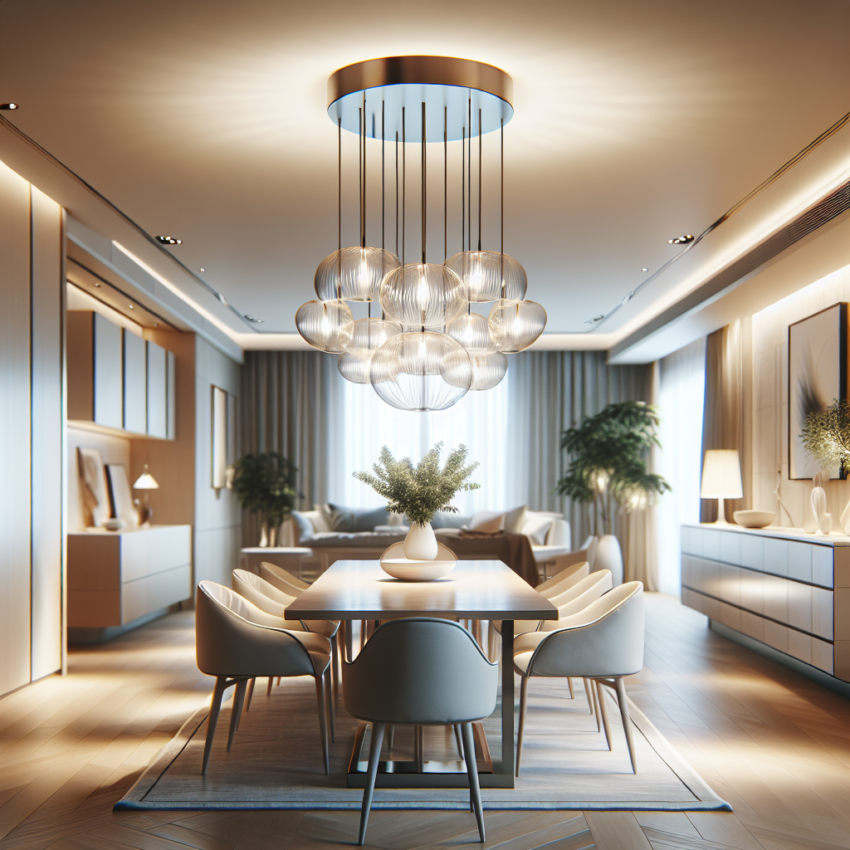
Transforming your dining room with the right lighting can enhance your dining experience and create the perfect ambiance for every meal. Whether you’re hosting a lively dinner party or enjoying a quiet family meal, dining room lighting plays a crucial role in setting the mood and highlighting your interior design. In this article, we’ll explore various light fixtures for dining rooms and how to choose the best options to elevate your space.
Choosing the Right Dining Room Lighting
When it comes to selecting dining room lighting, there are several important factors to consider, including style, functionality, and placement. The first step is to assess the overall aesthetic of your dining room. Whether your style is modern, traditional, or eclectic, there’s a lighting fixture that can complement your decor.
Functional lighting is essential for a dining room, as it needs to provide sufficient illumination for dining activities while also creating a warm and inviting atmosphere. Consider the size of your dining table and the scale of the room when choosing your light fixtures to ensure a balanced look.
Types of Dining Room Lighting Fixtures
The market offers a wide range of light fixtures for dining rooms, allowing you to find something that matches your personal taste and dining room size. Here are a few popular options to consider:
- Chandeliers: A classic choice, chandeliers add elegance and sophistication to any dining room. They come in various styles, from ornate crystal designs to minimalist modern pieces.
- Pendant Lights: These are versatile options that work well in many settings. You can choose from single pendants or cluster them together for a more dramatic effect. Pendant lights are particularly popular in contemporary and industrial-themed dining rooms.
- Recessed Lighting: For a sleek and understated look, consider recessed lighting. These fixtures are mounted flush with the ceiling, providing even, unobtrusive illumination.
- Wall Sconces: Ideal for dining rooms with limited ceiling space, wall sconces provide ambient lighting and can serve as decorative elements.
Maximizing the Impact of Dining Room Lighting
The placement of dining room lighting is as critical as choosing the fixture itself. To maximize the impact of your lighting, consider the following tips:
- Position your main light fixture directly over the center of your dining table to create a focal point.
- Ensure the light source is neither too high nor too low; typically, chandeliers should hang about 30 inches above the table surface.
- Incorporate dimmer switches to adjust the lighting intensity. This adds flexibility and allows you to easily transition from a bright environment for meals to a softer mood for evening gatherings.
For additional ideas on enhancing your home decor, you might also explore using vintage maps as a design element. They can add a unique touch to your dining room and complement your lighting choices beautifully.
How to Blend Dining Room Lighting with Home Decor
Blending dining room lighting with your home decor involves considering the color scheme and materials present in the room. Metals like brushed nickel or brass can tie in with light fixture finishes, while glass or fabric shades can harmonize with the textiles in your space.
Natural light should not be overlooked when integrating lighting with your decor. During the day, ensure your windows allow ample sunlight to brighten the room, reducing the need for artificial lighting. You can then supplement this natural light with your chosen fixtures at mealtime.
Innovative Dining Room Lighting Ideas
Looking to add a creative twist to your dining room? Consider these innovative lighting ideas:
- Use colored bulbs or smart lighting solutions to change the ambiance with a simple command or phone app.
- Layer your lighting with a combination of overhead fixtures, floor lamps, and table lamps to create various lighting scenarios.
- Think outside the box by using unexpected materials for your fixtures, such as wood or woven textures, for a unique, personalized touch.
Conclusion
Dining room lighting is a critical component of creating an inviting and functional space. With the right fixtures, you can enhance your meals, set the mood, and highlight your home decor. Consider the various styles and options available to find the perfect lighting solution that fits your dining room’s specific needs and your personal taste. Whether through elegant chandeliers or modern pendant lights, the right dining room lighting can transform your dining experience.
- Dining room lighting is both functional and decorative.
- Select the right fixture based on size, style, and ambiance needs.
- Explore options like chandeliers or smart lighting for versatility.
- Don’t forget the impact of natural light in your overall lighting plan.
- Always consider fixture placement to optimize light distribution.
FAQs
What type of lighting is best for a dining room?
The best lighting for a dining room often includes a combination of direct overhead lighting such as chandeliers or pendants, along with ambient sources like wall sconces. The choice depends on your style preference and room size.
How high should a chandelier hang above a dining table?
A general rule is to hang a chandelier about 30 inches above the tabletop, but this can vary depending on the fixture size and the room’s ceiling height.
Can I use smart lighting in my dining room?
Yes, smart lighting is a versatile option that allows you to control the brightness and color of your lights through apps or smart home devices, adding convenience and ambiance to your dining room.
Should dining room lights be dimmable?
Dimmable lights are ideal as they allow you to adjust the brightness for different occasions, enhancing the room’s versatility for everything from everyday meals to formal dinners.
How do I choose the right size light fixture for my dining room?
Consider the dimensions of your table and the room. A good rule is to select a fixture that is about one-third the width of the table to ensure balance and proportion.