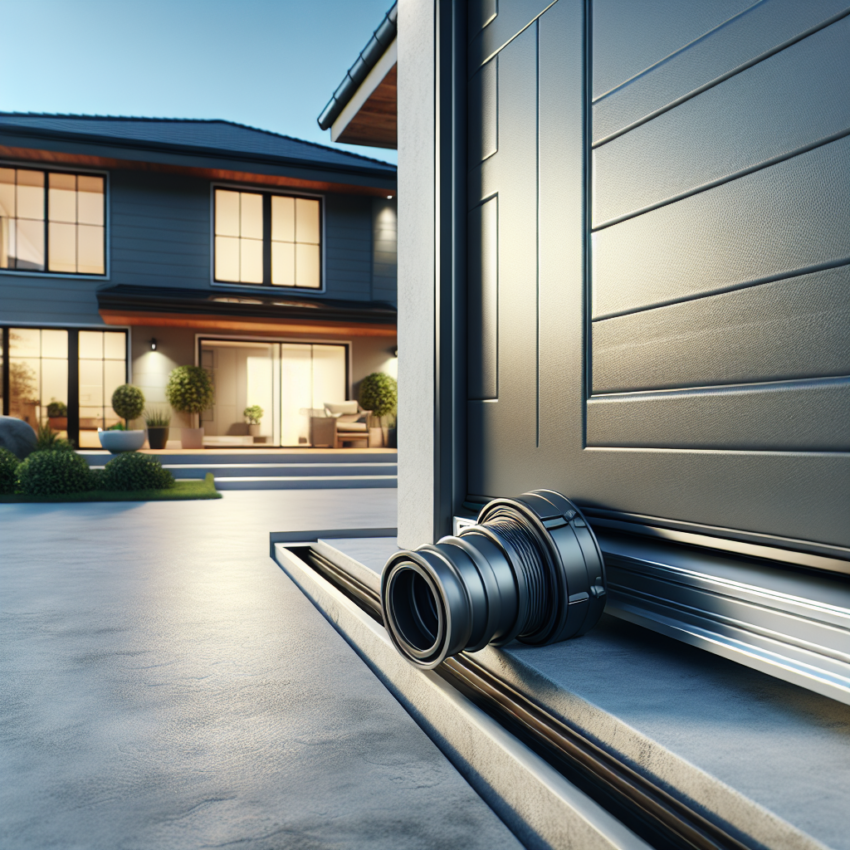
Your garage door is more than just an entrance; it’s a critical component of your home’s efficiency and security. One often overlooked element in maintaining this efficiency is the garage door bottom seal. This small but essential component can make a significant difference in energy savings and comfort within your home.
Understanding the Importance of a Garage Door Bottom Seal
A garage door bottom seal is a strip of rubber or vinyl attached to the bottom of your garage door. Its primary function is to provide a barrier between your garage and the external environment. This seal plays a crucial role in maintaining insulation, preventing pests from entering, and blocking debris and water.
Without an effective seal, your garage can become a gateway for unwanted elements. This not only affects the cleanliness and safety of your garage but can also lead to higher energy costs as your HVAC system works harder to maintain indoor temperatures.
Types of Garage Door Bottom Seals
Various types of garage door bottom seals are designed to meet different needs. Choosing the right type can enhance your garage’s efficiency and functionality.
- Bulb Seals: These are round seals that fit snugly into the gap at the bottom of your garage door, providing excellent protection against water infiltration.
- Bead Seals: Generally made of vinyl, these create a strong barrier against drafts and are ideal for energy efficiency.
- T-Style Seals: Featuring a “T”-shaped edge that fits into a corresponding groove, these are versatile and can be used on most garage doors.
- Threshold Seals: Attached to the ground, these can be used in conjunction with other seals for added protection.
How to Install a Garage Door Bottom Seal
Installing a garage door bottom seal may seem daunting, but with the right tools and instructions, it can be a simple DIY project.
- Measure the width of your garage door and purchase a seal that matches.
- Remove the old seal by loosening any screws or brackets that hold it in place.
- Clean the bottom edge of the garage door to ensure proper adhesion for the new seal.
- Slide or fit the new seal into the groove and secure it with screws if needed.
For more detailed instructions and to see if resurfacing your driveway complements your new seal installation, check these driveway resurfacing tips.
Maintaining Your Garage Door Bottom Seal
Regular maintenance of your garage door bottom seal is crucial to extend its life and functionality. Regular inspections for wear and tear, weather damage, or pests can help identify when a replacement might be necessary.
Cleaning the seal regularly with a mild detergent can also prevent debris build-up, ensuring a tight seal. If you observe any cracks or noticeable gaps, it’s time to consider a replacement.
Choosing the Right Seal for Your Needs
When choosing a garage door bottom seal, consider the climate and weather conditions in your area. For instance, if you live in a region with high rainfall or extreme temperatures, a durable material like rubber may offer better protection.
Similarly, ensure that the seal fits your specific garage door model to avoid compatibility issues. With the right choice, you can enhance your garage’s efficiency, save on energy costs, and protect your home.
In conclusion, a garage door bottom seal is a small investment that can yield significant benefits for your home’s efficiency and protection. As an integral part of your overall home maintenance strategy, it’s worth taking the time to ensure your seal is in top condition.
- Garage door bottom seals enhance energy efficiency and prevent drafts.
- There are different types suitable for various environmental conditions.
- Regular maintenance extends the life of your bottom seal.
- Proper installation is key for optimum performance.
- Choosing the right seal depends on your specific garage door and local climate.
What is the purpose of a garage door bottom seal?
The primary purpose of a garage door bottom seal is to provide a barrier against external elements, including water, pests, and debris, while also enhancing insulation and energy efficiency.
How often should I replace my garage door bottom seal?
The frequency of replacement depends on the material and exposure to environmental conditions. Regular inspections can help you determine when replacement is needed, typically every 1-2 years.
Can I install a garage door bottom seal myself?
Yes, installing a garage door bottom seal is generally considered a DIY-friendly project. With the right tools and instructions, you can effectively replace it yourself.
What are the signs of a worn-out garage door bottom seal?
Common signs include visible cracks, gaps at the bottom of the door, drafts, or increased pests and debris inside the garage.
Where can I find more information on maintaining home efficiency?
For more detailed insights into enhancing your home’s efficiency, you can consult resources like this guide on building insulation from Wikipedia.