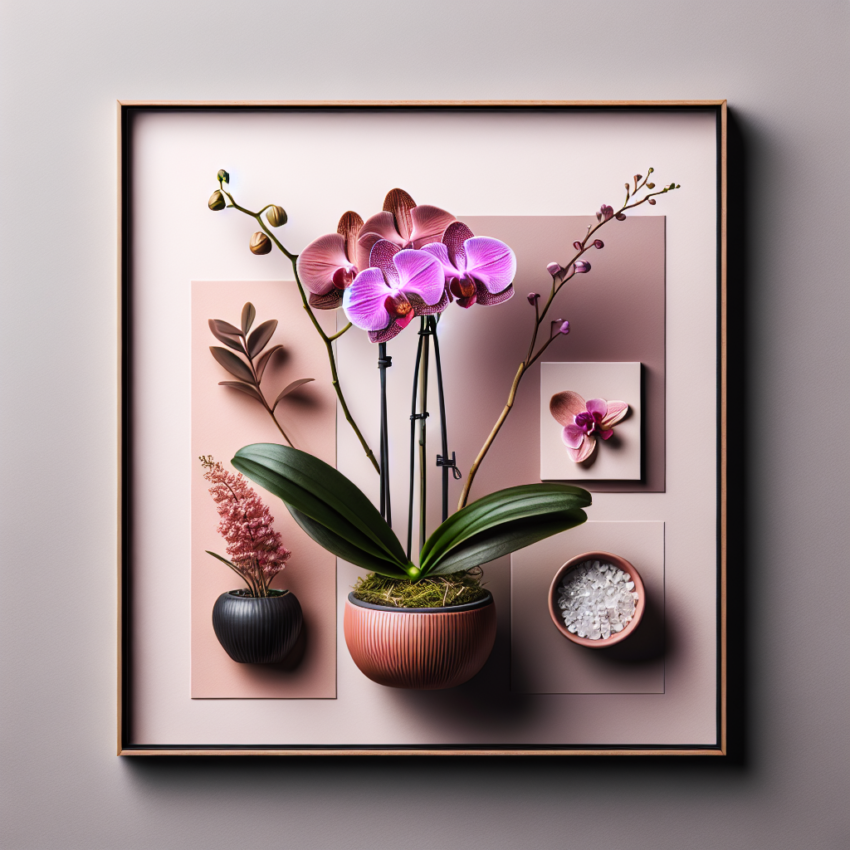
Orchids are elegant and exotic plants that captivate the imagination with their stunning blooms. Understanding how to care for orchids effectively is essential for anyone wishing to nurture these beautiful flowers in their home or garden. This article will guide you through the key aspects of caring for orchids, from selecting the right environment to optimizing watering and feeding practices.
How to Care for Orchids: The Basics
Orchids thrive in specific conditions that mimic their natural habitat. Here are the fundamental aspects to consider when nurturing these exquisite plants:
Selecting the Right Orchid Species
Before diving into care specifics, it’s crucial to choose the right orchid species for your environment. Popular varieties include Phalaenopsis, Cattleya, and Dendrobium. Each type may have slightly different requirements, but many share some common care needs.
Light Requirements
Orchids generally require bright, indirect light. Too much direct sunlight can scorch their leaves, while too little can inhibit blooming. Position your orchids near east- or south-facing windows, shielded by curtains or blinds to filter intense sun rays.
Temperature and Humidity
Orchids typically prefer temperatures between 65-75°F during the day and slightly cooler at night. These fluctuations mimic their natural environments. Additionally, orchids thrive best in humidity levels of 40-70%. Consider using a humidity tray or a room humidifier to maintain ideal conditions.
Watering Techniques
Watering is crucial in the care of orchid plants. It’s important to avoid overwatering, which can lead to root rot. Water your orchids once a week during dry spells and reduce the frequency in cooler months. Ensure that pots have sufficient drainage and never let your orchids sit in standing water.
Feeding Your Orchids
Orchids require regular feeding, especially during their growing phase. Utilize a balanced orchid fertilizer every two weeks, diluted to half strength. In their dormant period, you can reduce feeding to once a month.
Additional Tips on Caring for Orchids
Repotting Orchids
Repotting orchids should be done every two years or when the plant outgrows its pot. Use a specialist orchid potting mix, usually composed of bark, charcoal, and perlite, to provide the necessary aeration and drainage.
Managing Pests and Diseases
Maintaining orchid health also involves vigilance against pests and diseases. Regularly inspect your orchids for signs of aphids, mealybugs, or fungal infections. Using a gentle horticultural oil or neem oil can help manage these issues.
Encouraging Flowering
To encourage blooming, ensure your orchids experience the right light conditions and temperature shifts. Some varieties also benefit from a slight drop in temperature at night to stimulate flower production.
For gardeners interested in exploring irrigation techniques that can enhance orchid care or broader horticultural practices, you might find this guide to irrigation systems beneficial.
In terms of understanding more about the history and varieties of orchids, you might find additional valuable information on Orchidaceae from Wikipedia.
By following these guidelines, your orchids can become a long-lasting, vibrant part of your flora collection, gracing your home with their timeless beauty. Remember that understanding how to care for orchids goes a long way in ensuring these plants flourish under your watchful care.
- Provide bright, indirect light for optimal growth and blooming.
- Maintain temperature and humidity similar to the orchid’s natural habitat.
- Water orchids sparingly to avoid root rot.
- Repot orchids regularly to sustain healthy growth.
- Keep checking for pests to prevent infestations.
FAQ
How often should I water my orchid?
Water your orchid once a week, adjusting to twice a week if conditions are particularly dry, and less during cooler months.
Why are the leaves on my orchid turning yellow?
Yellow leaves can indicate overwatering, too much direct sunlight, or insufficient light. Adjust care practices accordingly.
How do I increase humidity for my orchids?
You can increase humidity using a room humidifier, placing a humidity tray with pebbles and water under the plant, or misting orchids regularly.
Is it necessary to fertilize orchids?
Yes, orchids benefit from regular fertilization, especially during the growing season. Use a diluted orchid fertilizer every two weeks.
What should I do if my orchid has pests?
Identify the pest and use a suitable treatment, such as neem oil or horticultural oil, to manage the infestation effectively.