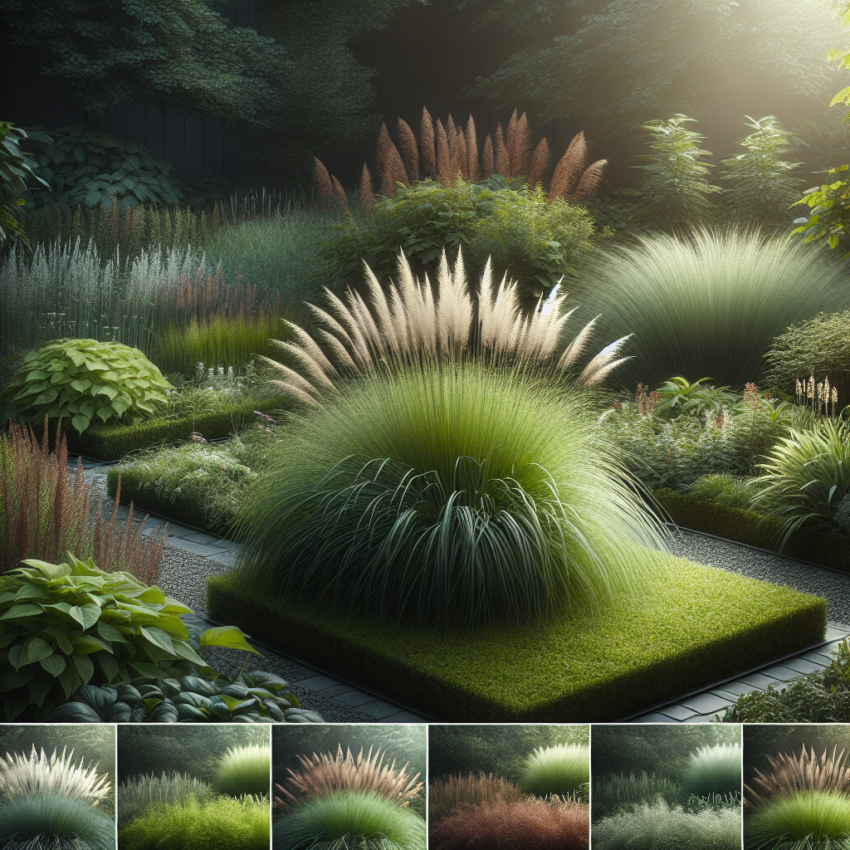
When it comes to transforming your garden into a picturesque landscape that stands out year-round, few plants are as versatile and visually striking as Karl Foerster grass. As a type of feather reed grass, Karl Foerster feather reed grass is celebrated for its tall, graceful plumes and ability to thrive in diverse climates. Whether you are a seasoned gardener or just starting out, this ornamental grass can add structure and movement to your outdoor space, making it a favorite among landscape designers.
The Beauty and Benefits of Karl Foerster Grass
Karl Foerster grass, scientifically known as Calamagrostis x acutiflora ‘Karl Foerster’, is prized for its upright growth habit and resilience. It’s a cool-season grass that begins to grow early in the spring, offering garden enthusiasts a head start on the growing season. Its vertical interest and golden seed heads can complement a variety of plants in your garden, providing continuity and height.
This grass is drought-tolerant once established and can adapt to a wide range of soil types, from sandy soils to clay loams. It also tolerates both full sun and partial shade, although it achieves its best growth under full sunlight. Because of its robust nature, Karl Foerster feather reed grass is an excellent choice for adding structure to perennial borders or as a backdrop for flowering plants.
Incorporating Feather Reed Grass into Your Landscaping
Feather reed grass is incredibly versatile in landscaping. As a border plant, it can define walkways and edges, offering a neat, linear aesthetic. Its tall, slender stalks are also perfect for creating privacy screens or living walls that sway softly in the breeze, adding a dynamic element to your landscape.
In addition to its aesthetic qualities, Karl Foerster grass can serve a functional purpose. It can help prevent soil erosion on sloped terrains, stabilize riverbanks, and serve as a natural barrier against strong winds. For those looking to incorporate sustainable and environmentally-friendly practices, this grass attracts beneficial insects and provides a habitat for wildlife, enriching the biodiversity of your garden.
Seasonal Interest and Maintenance
One of the standout attributes of Karl Foerster feather reed grass is its year-round appeal. In winter, even though the grass goes dormant, its golden stalks remain, providing visual interest against the stark landscape. In spring, it quickly becomes one of the first plants to regenerate, signaling the start of a new growing season.
Maintenance is straightforward with Karl Foerster grass. Pruning is typically conducted in late winter or early spring before new growth starts. The spent stalks can be cut back to about a third of their height to make way for fresh growth. Regular division every few years keeps the plant vigorous and healthy, preventing overcrowding and ensuring effective growth.
To learn more about integrating beautiful elements into your home or garden, consider exploring the timeless trend of decorating with vintage maps.
Best Practices for Planting and Caring for Karl Foerster Grass
Planting Karl Foerster grass requires attention to detail to maximize its growth potential. Select a location with well-draining soil, and avoid areas prone to waterlogging as they can lead to root rot. When planting, ensure that each clump is spaced at least 2-3 feet apart to allow for air circulation and growth.
After planting, water regularly to help establish the roots. Once the plant is established, water needs are minimal, typically increased only during extreme dry conditions. During its first year, a balanced, slow-release fertilizer can be applied to encourage growth.
Common Challenges and Solutions
While generally resilient, Karl Foerster grass can face challenges such as fungal diseases in overly damp conditions. Ensure proper spacing during planting and adequate sunlight to prevent such issues. If signs of disease appear, reduce watering and apply a fungicide as necessary.
Another consideration is its height, as Karl Foerster grass can reach up to 6 feet. If maintaining a specific landscape profile is essential, regular trimming can help control its height, ensuring it complements other elements in your garden.
For further insights on plant diseases and sustainable gardening practices, this resource provides a comprehensive overview.
In conclusion, Karl Foerster grass is an exceptional choice for gardeners seeking to enhance their landscapes with elegant, year-round beauty. Its versatility, ease of care, and aesthetic appeal make it a standout option for various garden designs, ensuring that your outdoor space remains vibrant and enchanting throughout the seasons.
- Karl Foerster grass is a feather reed grass known for its elegance and resilience.
- It offers year-round interest and is an excellent choice for diverse landscapes.
- The grass requires minimal maintenance and is relatively drought-tolerant.
- Suitable for various garden applications, including borders, privacy screens, and erosion control.
- Regular pruning and spacing are essential for optimal growth and health.
What is Karl Foerster grass?
Karl Foerster grass is a type of ornamental feather reed grass known for its tall, upright growth and year-round visual appeal.
How do you care for Karl Foerster grass?
Caring for Karl Foerster grass involves regular watering during the establishment phase, seasonal pruning, and periodic fertilization to encourage healthy growth.
When should I prune Karl Foerster grass?
Pruning should be done in late winter or early spring before new growth begins. This ensures the plant remains tidy and encourages vigorous new shoots.
Can Karl Foerster grass grow in shade?
While it prefers full sun for optimal growth, Karl Foerster grass can tolerate partial shade. However, its growth and plume production may be reduced.
Is Karl Foerster grass suitable for erosion control?
Yes, Karl Foerster grass is effective for erosion control due to its dense root system and ability to stabilize soil on slopes and riverbanks.