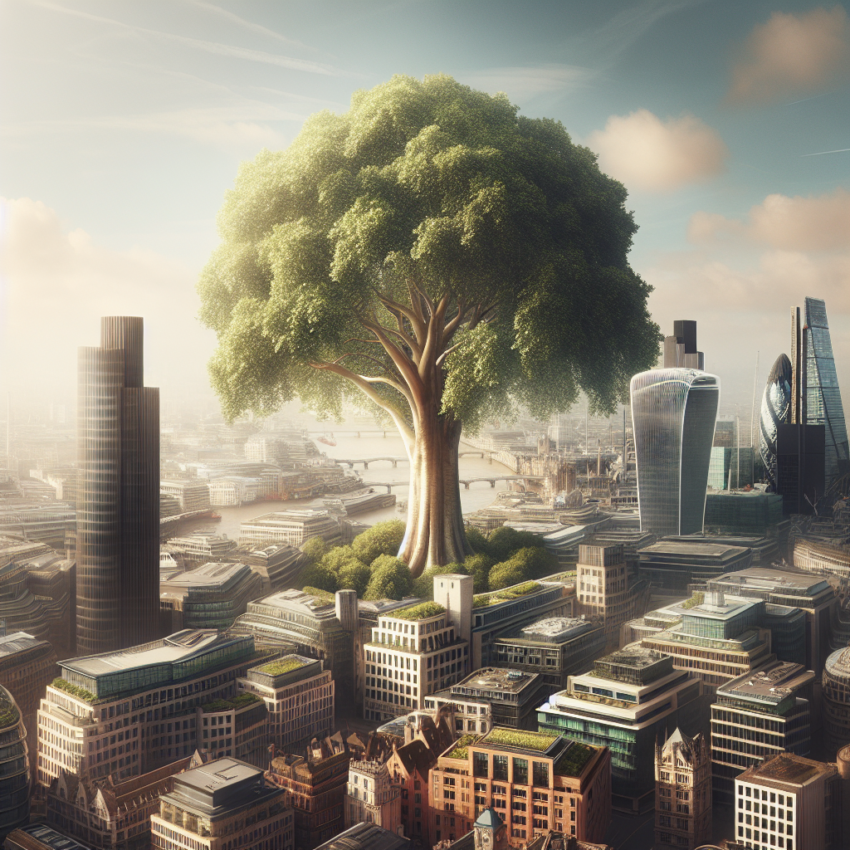
The London plane tree, a resilient and majestic addition to urban landscapes, offers both visual appeal and environmental benefits. Known for its adaptability to city environments, this tree has become a staple in metropolitan planning and beautification efforts. With its lush, green leaves and stately growth, the London plane tree adorns streets and parks across bustling cities, offering shade and an aesthetic buffer against urban chaos.
Why the London Plane Tree is Ideal for Urban Areas
The London plane tree is often favored in urban settings due to its incredible resilience to pollution and its ability to thrive in less-than-ideal soil conditions. This tree is a hybrid of the American sycamore and the Oriental plane, combining the best traits of both species. Its hardy nature allows it to withstand the harsh urban environment, making it an ideal choice for city planners.
One distinct advantage of the London plane tree is its remarkable ability to filter air pollutants. Its broad leaves can capture particulates and absorb carbon dioxide, contributing positively to the urban air quality. As cities grapple with pollution, introducing and maintaining these trees can play a crucial role in environmental health.
Characteristics and Appearance of the London Plane Tree
The London plane tree can grow up to 100 feet tall, with a tough, mottled bark that peels away in patches to reveal a creamy, smooth surface beneath. This unique feature makes it visually striking throughout the year. Its leaves are large, maple-like, and offer dense shade during the sunny months.
In the fall, the foliage turns a vibrant golden color, adding seasonal interest to urban landscapes. The tree’s flowers are inconspicuous, but it produces small, spherical seed balls that hang gracefully from the branches in winter, providing subtle textural interest.
The Benefits of Planting London Plane Trees
Apart from their aesthetic and air-purifying advantages, London plane trees are also known for their ability to provide cooling shade, which can reduce local temperatures and lower energy costs in buildings nearby. This natural canopy is especially valuable in dense urban areas where concrete and asphalt absorb and re-radiate the sun’s heat.
The tree’s extensive root system helps stabilize soil and prevent erosion, making it an excellent choice along riverbanks and urban parks. Moreover, London plane trees have a relatively low maintenance requirement, which makes them a cost-effective solution for beautifying cities sustainably.
Challenges and Considerations
While robust, the London plane tree is not without its challenges. It requires space to grow unimpeded, both above and below ground. Confined or unsuitable sites can lead to root damage or interfere with infrastructure like sidewalks and sewer lines.
This species is also susceptible to certain diseases and pests, such as anthracnose and plane wilt, which can impact their health and longevity. Routine monitoring and management can help mitigate these issues, ensuring the longevity of these trees in urban environments.
Supporting Urban Wildlife
The London plane tree contributes to urban biodiversity, providing habitat and food for various wildlife species. Birds often use its branches for nesting, while its seeds offer nourishment for squirrels and other small mammals. By fostering local wildlife, these trees enhance the ecological balance within city settings.
If you’re interested in exploring more natural interventions to support cognitive health, consider reading about natural remedies for mental clarity.
The Future of London Plane Trees in Urban Landscapes
With ongoing climate change and urban development, the role of the London plane tree in cities is more crucial than ever. Urban planners continue to explore innovative ways to integrate these majestic trees into cityscapes, maximizing their benefits while minimizing potential drawbacks.
For more detailed information on the London plane tree and its impact, you can visit this comprehensive resource, which offers insights into its history and characteristics.
Conclusion
The London plane tree remains a valuable asset for urban environments, appreciated for its durability, beauty, and ecological benefits. Whether you’re an urban planner, a city resident, or simply a lover of nature, understanding the role and importance of this tree can enhance how we design and interact with our urban landscapes.
- The London plane tree is ideal for urban areas due to its resilience and adaptability.
- This tree supports improved air quality and provides significant shade and beauty.
- Considerations for planting include potential challenges like root space and disease resistance.
- London plane trees contribute to urban biodiversity by supporting local wildlife.
- Ongoing urban planning strategies continue to integrate these trees for sustainable development.
What is the London plane tree’s primary environmental benefit?
The London plane tree is prized for its ability to filter air pollutants, such as particulates and carbon dioxide, improving urban air quality.
How tall can a London plane tree grow?
A London plane tree can reach heights of up to 100 feet, making it a prominent feature in urban landscapes.
What are common issues faced by London plane trees?
Common issues include diseases like anthracnose and plane wilt, as well as space constraints which can affect root growth and tree health.
Why are London plane trees suitable for city environments?
These trees thrive in polluted environments and poor soil conditions, making them ideal for city landscapes where they can contribute positively to urban ecology.
How do London plane trees support urban wildlife?
They provide habitat and food for various wildlife species, including birds and small mammals, enhancing biodiversity within urban settings.