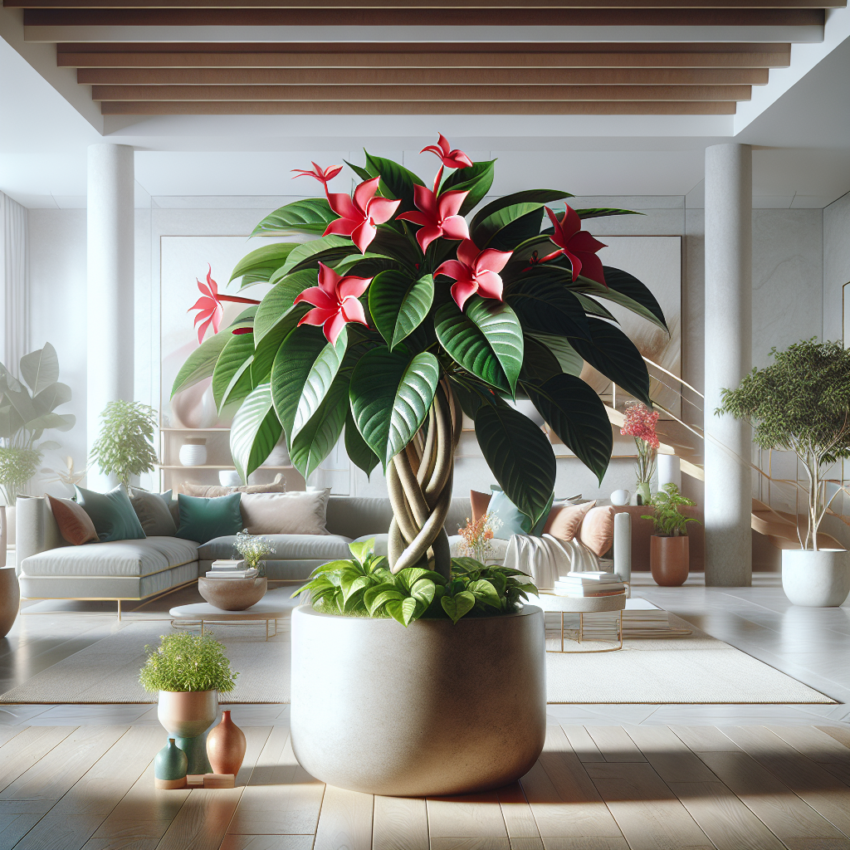
The stunning mandevilla plant, known for its vibrant flowers and lush green foliage, is a wonderful addition to any garden or home space. With its ability to climb and spread, it can transform your living space with minimal effort. This article explores the benefits and care practices required for maintaining a healthy mandevilla plant, helping you create a delightful environment in your garden or on your balcony.
Caring for Your Mandevilla Plant
To keep your mandevilla plant thriving, proper care is essential. These tropical beauties require a balance of sunlight, water, and nutrients to flourish. Position your mandevilla where it can soak up the morning sun while enjoying some afternoon shade to prevent scorching.
Watering is crucial, especially during the growing season. Ensure the soil is consistently damp but not overly soggy. A well-draining soil mix can help prevent root rot. Additionally, consider using a drip irrigation system for efficient hydration.
Choosing the Right Soil and Fertilizer
The mandevilla plant prefers a rich, well-drained soil that mimics its natural habitat. A blend of potting soil, peat moss, and sand can provide the perfect environment. Fertilize your plant regularly with a balanced, water-soluble fertilizer to encourage lush growth and vibrant blooms.
Over-fertilizing can lead to excessive foliage growth at the expense of flowers, so follow the recommended guidelines on your fertilizer’s packaging. During the dormant season, reduce the frequency of fertilization.
Common Pests and Problems
Mandevilla plants are susceptible to pests like aphids, spider mites, and whiteflies. Keeping your plant clean and removing diseased foliage can prevent infestations. If pests persist, an organic insecticidal soap can help manage the situation.
Additionally, be vigilant for signs of fungal infections, such as powdery mildew, which can occur in overly humid conditions. Keeping the leaves dry and ensuring good air circulation around the plant can reduce the risk of fungal problems.
Pruning and Supporting Your Mandevilla
Regular pruning encourages bushier growth and more flowers. Trim your mandevilla plant during the late winter or early spring, focusing on removing dead or weak stems. Use clean, sharp tools to make precise cuts.
Since mandevillas are vining plants, they benefit from support structures like trellises or stakes. Gently tie the vines to the supports as they grow to guide them in a preferred direction.
Bringing the Tropics Indoors
If you live in a colder climate, consider bringing your mandevilla plant inside during the winter months. Place it in a sunny location and monitor humidity levels to mimic its tropical environment. This not only protects the plant from frost but also allows you to enjoy its beauty year-round.
The striking beauty and delicate nature of the mandevilla plant make it a wonderful centerpiece in any garden or indoor space. By understanding its requirements and providing appropriate care, you can enjoy its vibrant blooms and lush foliage for years to come.
- The mandevilla plant is a beautiful addition to any space, known for its vivid flowers and climbing ability.
- Proper sunlight, watering, and well-drained soil are crucial for the health of the mandevilla plant.
- Regular pruning and pest management help maintain a healthy plant.
- Fertilization should be balanced, focusing on promoting blooms over foliage.
- Consider using supports like trellises to guide the plant’s growth.
What is the best climate for growing a mandevilla plant?
Mandevilla thrives in warm, tropical climates with plenty of sunlight and humidity. It’s best suited to USDA hardiness zones 9 through 11.
How often should I water my mandevilla plant?
Water your mandevilla plant regularly to keep the soil evenly moist, especially during the growing season. Avoid waterlogging by ensuring proper drainage.
Can mandevilla plants be grown indoors?
Yes, mandevilla plants can be grown indoors, provided they have ample sunlight and suitable humidity levels. Indoor growing allows protection from harsh winter conditions.
How can I manage pests on my mandevilla plant?
Regularly inspect your plant for pests and use organic insecticidal soaps if needed. Keeping the plant clean and healthy also reduces the risk of infestations.
Are mandevilla plants toxic to pets?
Mandevilla plants are mildly toxic if ingested by pets. It’s advisable to keep them out of reach of animals and monitor pets’ interactions with the plant.
For more information, you may want to check out Wikipedia’s page on Mandevilla.