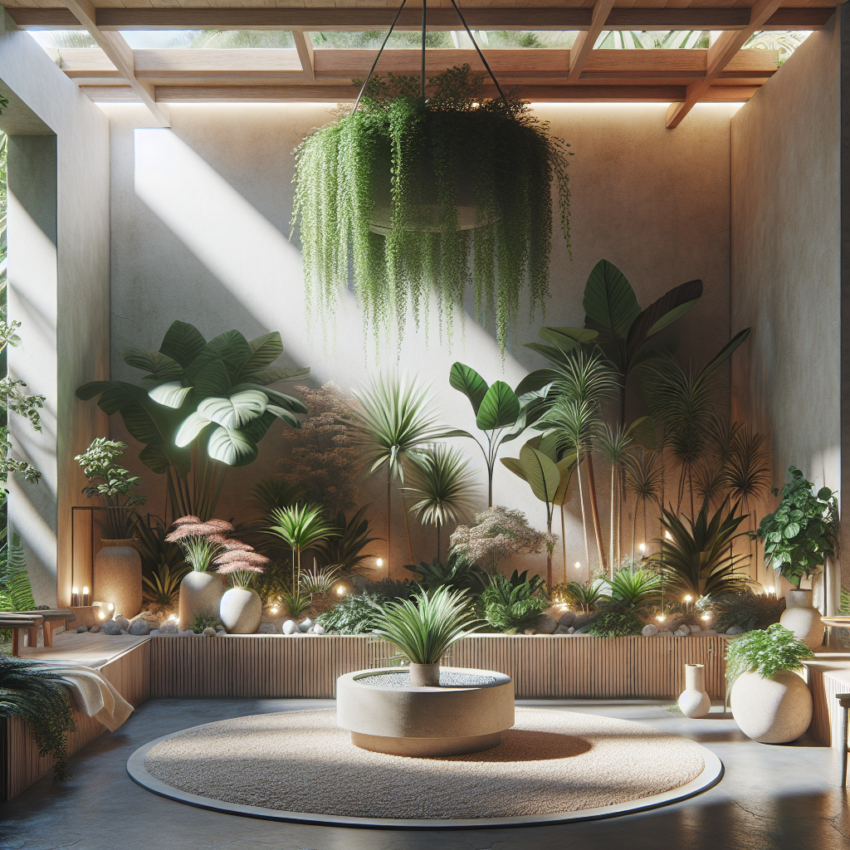
Transforming your home into a lush oasis doesn’t always require endless sunlight. With the right selection of shade plants, you can bring vibrant greenery to even the most dimly lit corners of your space. These plants are perfect for apartments, offices, and any area of your home that doesn’t receive direct sunlight.
Benefits of Incorporating Shade Plants
Shade plants can breathe life into your home beyond their beauty. Many of these plants are effective air purifiers, such as the popular snake plant or peace lily, which help remove toxins and improve air quality. Additionally, they support mental well-being by creating a more serene and calming environment.
Popular Shade Plants to Consider
- Ferns: These plants thrive in low-light environments and their delicate fronds add a soft touch to your decor.
- Snake Plant: Known for its resilience, the snake plant can survive in varying light conditions and is a great air purifier.
- Monstera: Although they enjoy indirect sunlight, monsteras can adapt to lower light, making them versatile additions to any room.
- Peace Lily: Not only are peace lilies beautiful with their white blossoms, but they are also functional air purifiers.
- ZZ Plant: With glossy leaves, ZZ plants require minimal care and thrive in low-light areas.
Caring for Your Shade Plants
While shade plants are generally low maintenance, optimizing their care can ensure that they thrive.
Watering is crucial; many shade plants prefer to have dry soil between waterings to prevent root rot. The soil choice can also impact plant health, so opting for well-draining soil can be beneficial. To further improve your plant care routine, consider exploring tips on optimizing home irrigation systems for an easier approach to watering your indoor garden.
Designing with Shade Plants
When arranging shade plants in your home, consider plant size, color, and height to create a harmonious appearance. Group different types of plants together to add variety and texture. Layering plants by height or arranging them on a shelf can add depth to your decor. Remember to rotate your plants periodically to promote even growth.
If you’re looking for more inspiration, reading up on plant care from reliable sources, like Wikipedia’s health section, can provide insights into maintaining a healthy indoor environment.
Shade Plants for Every Home
Whether you’re living in a cozy apartment or a spacious home, shade plants are versatile enough to complement any design style. Their adaptability makes them ideal not just for decorative purposes but also for enhancing the air quality and comfort of your spaces. By choosing the right combination of shade plants, you can keep your interior lush and inviting year-round.
- Shade plants can improve air quality and mental well-being.
- Popular choices include ferns, snake plants, and peace lilies.
- Proper care involves adequate watering and well-draining soil.
- Grouping and rotating plants can enhance your home’s aesthetics.
- Explore reliable resources for more plant care tips.
FAQ
What are shade plants?
Shade plants are species that thrive in low-light environments, making them ideal for indoor spaces or areas with indirect sunlight.
How often should I water my shade plants?
Most shade plants prefer their soil to dry out between waterings. A general rule of thumb is to check the soil moisture weekly and water accordingly.
Can shade plants really improve air quality?
Yes, several shade plants, such as peace lilies and snake plants, are known to filter toxins from the air, contributing to better indoor air quality.
Are there any specific soil requirements for shade plants?
Shade plants do well with well-draining soil, which helps prevent root rot—a common issue in plants that are overwatered.
What are some tips for decorating with shade plants?
To decorate with shade plants, consider varying plant sizes and heights for depth and layering different textures to enhance the visual interest of your space.