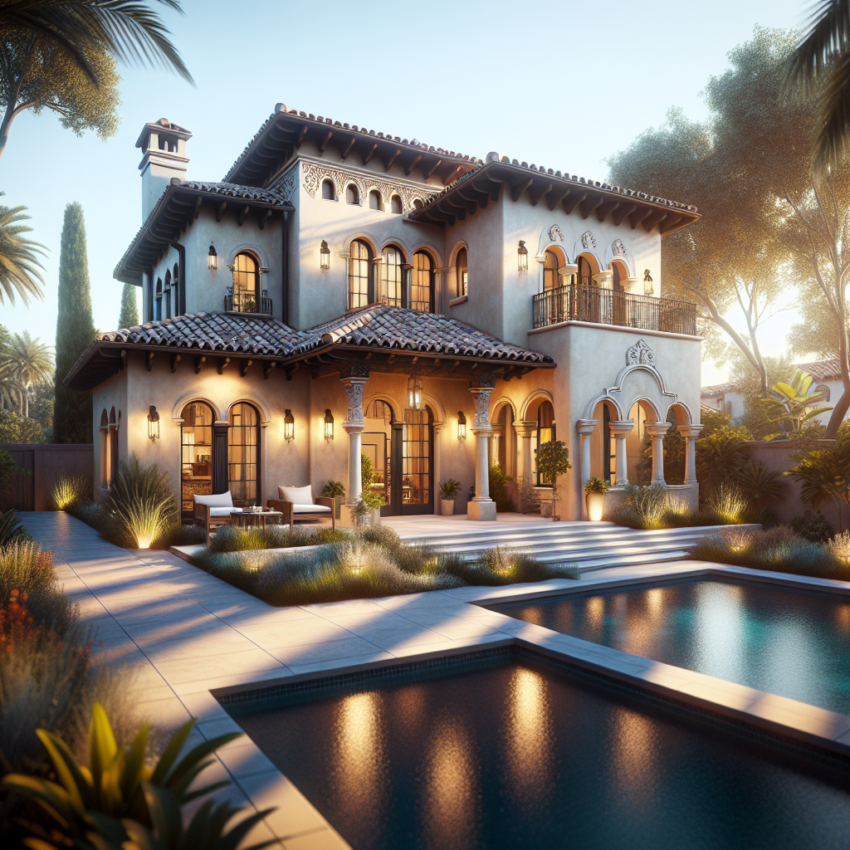
Spanish style homes have long captivated homeowners with their distinctive charm and architectural elegance. Originating from the Mediterranean, these houses boast arches, stucco walls, and red-tiled roofs, creating an inviting and warm atmosphere. Whether you’re building new or considering a renovation, this style offers a variety of design elements that can transform your living space into a cozy and timeless abode.
Understanding Spanish Style Homes
The allure of Spanish style homes lies in their ability to blend comfort with sophistication. Typically found in warmer climates, these homes are designed to keep cool and create a seamless flow between indoor and outdoor living spaces. Recognizable by their white stucco exteriors and clay tile roofs, the architectural details of Spanish style houses are both practical and aesthetic.
Spanish style homes often feature an open floor plan, allowing for ample natural light and airy spaces. The use of wooden ceiling beams and wrought iron details further adds to their traditional charm. These elements, combined with spacious courtyards and colorful tiled surfaces, evoke the essence of Spanish culture and lifestyle.
Key Features of a Spanish Style House
When diving into the key features of a Spanish style house, it’s important to understand what sets it apart from other architectural styles. The use of arches, particularly in doorways and windows, is a common element that enhances its unique silhouette. These arches often feature intricate details that showcase skilled craftsmanship.
The centerpiece of a Spanish house often involves a rustic wooden door, setting the tone for what lies beyond. Inside, you may find terracotta or hand-painted tiles, adding a vibrant yet authentic look to floors and interior details. Additionally, exposed wooden beams and carved wooden doors enhance the overall rustic atmosphere of the home.
Outdoor Living: Bringing the Indoors Out
Spanish style homes are designed with outdoor living in mind. Central courtyards and expansive patios allow for gatherings and relaxation in the open air, fostering a connection with nature. Traditional elements such as fountains and lush landscaping can add to the charm and beauty of these outdoor spaces.
The integration of indoor and outdoor living is a hallmark of Spanish homes. French doors or large windows open directly to the courtyard or patio, often providing stunning views of the garden or surrounding landscapes. This blend of spaces encourages a lifestyle that values both privacy and social interaction.
Embracing Interior Design with Spanish Flair
Adopting a Spanish style home interior involves thoughtful attention to color, texture, and materials. The interior design often echoes the same warmth and character found on the exterior, with a focus on earthy tones, rich fabrics, and ornamental details.
Textured walls, deep hues, and patterned textiles characterize the spaces within these homes. To achieve this timeless look, incorporate wrought iron fixtures such as chandeliers or sconces, and add Spanish-style tiles in kitchens and bathrooms.
Incorporating Vintage Elements
To enhance a Spanish style home, consider adding vintage elements that complement its historical roots. Furniture pieces made from wrought iron or dark wood can create a cohesive look, while vintage maps or antique pottery can add personality and charm. The addition of vintage maps as wall art can become a centerpiece that ties the room together.
Spanish style homes capture the essence of timeless elegance through their combination of classic and contemporary design elements. Whether you are looking to build from scratch or update an existing property, incorporating Spanish influences can create a stunning and inviting living space.
Spanish Style Homes: A Timeless Choice
The timeless appeal of Spanish style homes makes them a popular choice for homeowners seeking elegance and harmony within their living environments. The careful attention to detail in both architecture and interior design ensures that these homes remain attractive and joyful spaces to inhabit. By integrating the rich textures, colors, and craftsmanship associated with a Spanish style home, you can create a personal sanctuary that celebrates enduring beauty.
- Spanish style homes offer timeless elegance with their distinctive architecture.
- Key features include stucco walls, red-tiled roofs, and decorative arches.
- Emphasis on indoor-outdoor living enhances space and atmosphere.
- Interior design focuses on earthy colors, textured materials, and vintage elements.
- Creating a Spanish style home involves celebrating a blend of beauty and functionality.
What characteristics define a Spanish style house?
Spanish style houses are defined by their thick stucco walls, red-tiled roofs, arched windows and doorways, open floor plans, and emphasis on indoor-outdoor living.
How do you incorporate Spanish elements into an existing home?
To incorporate Spanish elements, add rustic wooden doors, use decorative ceramic tiles, introduce wrought iron fixtures, and utilize a warm color palette.
Are Spanish style homes energy efficient?
Yes, their design naturally promotes energy efficiency through thick walls that provide insulation, clay tile roofing for temperature regulation, and layouts that maximize natural airflow.
Can Spanish style be adapted to colder climates?
While typically suited for warmer areas, Spanish style homes can be adapted to colder climates by enhancing insulation and perhaps using energy-efficient windows.
Where can I learn more about Spanish architecture history?
For more historical context on Spanish architecture, you can visit Spanish Colonial architecture on Wikipedia.