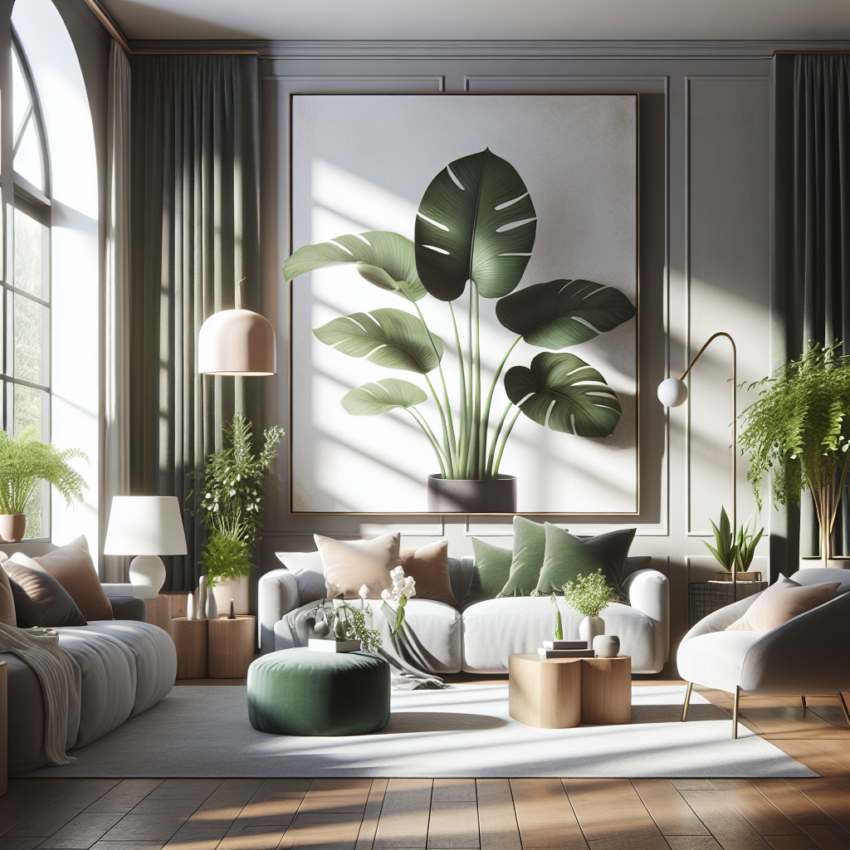
Looking to add a touch of nature’s elegance to your home? The split leaf philodendron, also known as Monstera deliciosa, might just be the perfect plant for your space. Renowned for its expansive, uniquely perforated leaves, this plant not only elevates interior aesthetics but also offers a refreshing ambiance that is both calming and invigorating.
Caring for Your Split Leaf Philodendron
The split leaf philodendron is a favorite among plant enthusiasts due to its robust growth and minimal maintenance requirements. With the right care, this tropical beauty can thrive indoors, creating a lush backdrop in any room.
Lighting and Placement
This plant thrives in bright, indirect sunlight, mimicking the dappled light of its natural habitat. Placing your split leaf philodendron near a window with filtered light is ideal. Too much direct sunlight might scorch the leaves, while too little can hinder its growth.
Watering and Soil
Consistency is key when it comes to watering. Allow the top inch of soil to dry out between waterings to prevent root rot. A well-draining potting mix enriched with organic matter will support healthy growth. Overwatering is a common mistake, so ensure proper drainage.
Humidity and Temperature
As a tropical plant, the split leaf philodendron enjoys higher humidity levels. If your home is dry, especially during winter, consider using a humidifier or placing a tray of water near the plant. It prefers temperatures between 65°F and 85°F.
Designing with Split Leaf Philodendron
This striking plant can transform any space into a green oasis. Here are a few design tips to integrate the split leaf philodendron into your home decor:
- Use it as a standalone statement piece in a living room or entryway.
- Pair it with decorative pots that complement your interior design themes.
- Incorporate it into a group of diverse plants for a lush, tropical look.
For more innovative decorating ideas, consider checking out how to decorate your home with vintage maps for added character and charm.
Propagation and Maintenance
Propagating your split leaf philodendron is a straightforward process, usually done through cuttings. Use a clean, sharp knife to take a cutting with at least one node and a few leaves. Allow it to root in water or soil, and in time, you’ll have a healthy new plant to add to your collection or share with friends.
Pest Control
Although the split leaf philodendron is generally pest-resistant, it can occasionally attract mealybugs or spider mites. Regularly inspect your plant, wiping leaves and using natural insecticidal soap if necessary to keep pests at bay.
The Beauty of Split Leaf Philodendron
The split leaf philodendron is much more than a decorative plant; it’s also beneficial for the environment of your home. It serves as a natural air purifier, helping to remove toxins and providing cleaner air for you and your family.
Whether you’re a seasoned plant enthusiast or just beginning your plant journey, the split leaf philodendron is an outstanding choice. Its ease of care, coupled with its bold, natural beauty, makes it a beloved addition to homes worldwide. Learn more about its characteristics and history.
Incorporating a split leaf philodendron into your living space not only enhances its visual appeal but may also contribute to a more tranquil and healthy environment. This plant is a testament to nature’s artistry, bringing an essence of the outdoors into your home.
- The split leaf philodendron is known for its large, detailed leaves.
- It requires bright, indirect sunlight and moderate watering.
- This plant can purify the air, offering environmental benefits.
- Easy to propagate, it’s an ideal plant for beginners.
- Regular maintenance involves monitoring humidity and pest control.
What is a split leaf philodendron?
The split leaf philodendron, commonly referred to as Monstera deliciosa, is a popular houseplant known for its large, fenestrated leaves.
How often should I water my split leaf philodendron?
Water your plant when the top inch of soil feels dry, generally every 1-2 weeks, depending on humidity and light conditions.
Can a split leaf philodendron be grown outdoors?
Yes, in appropriate climates with warm temperatures and indirect sunlight, this plant can thrive outdoors, mimicking its natural tropical habitat.
Are split leaf philodendrons toxic to pets?
Yes, these plants contain calcium oxalate crystals, which can be toxic if ingested by pets. It’s advisable to keep them out of reach of animals.
How can I increase humidity for my philodendron?
Increase humidity by misting the plant, placing a tray of water nearby, or using a humidifier to maintain optimal moisture levels.