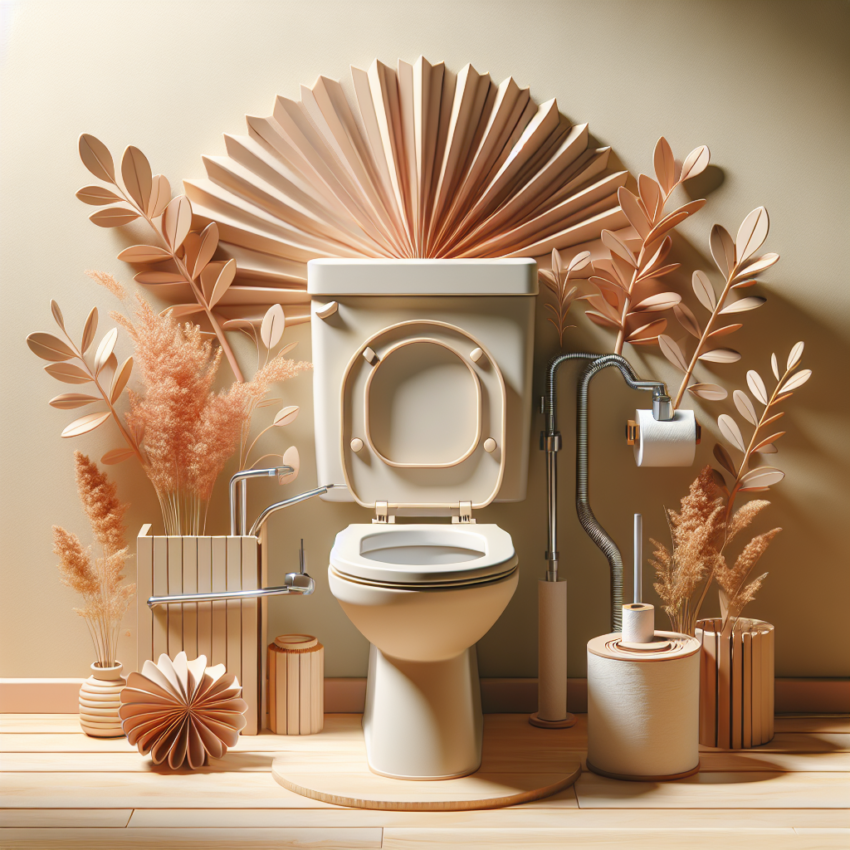
The toilet tank might not be the most glamorous feature of your home, but it plays a crucial role in the functionality of your bathroom. Often overlooked in home improvement discussions, the toilet tank is the powerhouse behind your toilet’s flushing capabilities. Understanding its components, maintenance needs, and potential improvements can not only enhance your bathroom’s efficiency but also prolong the life of your toilet system. Whether you’re a DIY homeowner looking to tackle minor repairs or simply curious about how things work, this article will provide valuable insights into your toilet’s functioning.
Understanding Your Toilet Tank
The toilet tank is the reservoir of water at the back of your toilet. It stores a set amount of water necessary for flushing. When you press the flush lever, the tank releases this water into the bowl, creating the force needed to flush waste away. This process is both simple and ingenious, designed to conserve water and ensure efficient sanitation.
Inside the tank, you’ll find several key components: the fill valve, flush valve, overflow tube, and flapper. Each works in harmony to refill the tank after it flushes, regulate water flow, and ensure no overflow occurs. Understanding how these parts work can assist in diagnosing issues like continuous running or slow filling.
Common Issues with a Lavatory Tank
Even the most robust systems experience issues, and the toilet tank is no exception. One of the most common problems is a running toilet, often due to a worn-out flapper or a misaligned chain. This issue not only wastes water but also increases your utility bill. Another frequent problem is a weak flush, which can be caused by sediment buildup or a faulty fill valve.
Fortunately, many of these problems are easy and inexpensive to fix. Routine maintenance, such as periodically checking and replacing worn components, can prevent these issues from occurring. If you’re considering more substantial improvements or dealing with persistent problems, consulting a professional is advisable. You might also explore related home improvements, such as resurfacing a concrete driveway, to complement your bathroom upgrades.
Improving the Efficiency of Your Tank of a Toilet
Enhancing the efficiency of your toilet tank isn’t just about fixing problems—it’s an opportunity for home improvement. Installing a dual-flush system, for instance, allows you to control the amount of water used per flush, offering both economic and environmental benefits. Similarly, modern fill valves can be adjusted to optimize water usage, reducing the strain on your household water supply.
Moreover, regularly cleaning the inside of the toilet tank can prevent the buildup of minerals and debris that can hinder its performance. Keeping the tank clean ensures all components function correctly, contributing to a smooth and efficient flush every time.
For a comprehensive guide on household maintenance and improvements, visiting established resources can be quite insightful. For more detailed insights on water conservation and sanitation, the Wikipedia page on toilets can also be a helpful reference.
Innovations in Toilet Tank Design
Modern advancements have led to several innovations in toilet tank designs, focusing on water conservation and user convenience. Sleek, low-profile tanks reduce water usage while maintaining high performance. Innovations such as touchless flushing systems leverage sensors to prevent the spread of germs, adding an element of hygiene to functionality.
If you’re planning a bathroom renovation, consider these modern toilet tank options. Not only do they offer improved sanitation and water savings, but they also enhance the aesthetic appeal of your bathroom space.
Conclusion: The Importance of the Toilet Tank
The toilet tank is more than just a hidden fixture in your bathroom—it’s a critical component of your home’s plumbing system. Understanding its function and how to maintain it can save water, reduce utility bills, and prevent unwanted repairs. Whether you’re tackling minor repairs or planning a bathroom overhaul, keeping your toilet tank in top shape will ensure your toilet operates smoothly for years to come.
- Understanding your toilet tank can help diagnose common issues.
- Routine maintenance can prevent costly repairs.
- Innovations in design offer water-saving benefits.
- Cleaning the tank regularly can enhance efficiency.
- Consult professionals for persistent problems or upgrades.
What is the main purpose of a toilet tank?
The primary purpose of a toilet tank is to store and release water for flushing. It provides the necessary force to remove waste from the bowl when you activate the flush.
How can I prevent my toilet tank from overflowing?
To prevent overflow, ensure the fill valve is adjusted to the appropriate water level, check the condition of the flapper, and clean the overflow tube regularly.
What are the signs of a malfunctioning lavatory tank?
Signs include continuous water running, weak flushing, strange noises, or water pooling at the base of the toilet.
Can I upgrade my toilet tank to a more efficient model?
Yes, upgrades like dual-flush systems or modern low-profile tanks can enhance efficiency and save water.
Is it necessary to clean the inside of my tank of a toilet?
Yes, periodically cleaning the tank can prevent mineral buildup and ensure all components work efficiently.