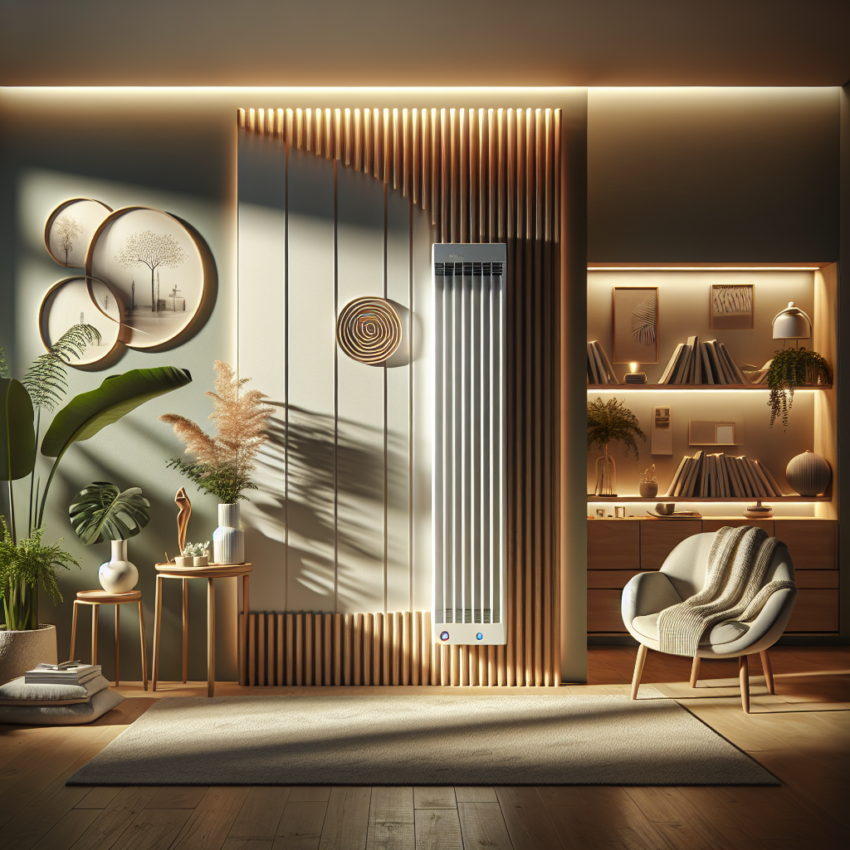
As the colder months approach, many homeowners are seeking efficient and practical solutions to keep their spaces warm and comfortable. The wall heater stands out as a compelling choice due to its ability to provide targeted warmth without the bulk of traditional space heaters. These units are designed to maximize space, offer energy efficiency, and maintain a cozy atmosphere in your home.
Understanding the Benefits of Wall Heaters
Wall heaters are a popular choice for those looking to enhance their heating efficiency. Unlike central heating systems that heat entire buildings, these heaters allow you to focus on specific areas, thereby saving energy. They are installed directly into the wall, which means they don’t take up valuable floor space, making them ideal for small rooms or apartments.
A significant advantage of wall heaters is their energy efficiency. By providing heat directly where it is needed, homeowners can reduce their overall energy consumption. This not only helps to lower heating bills but also supports environmentally friendly practices. In terms of design, wall heaters come in various styles and finishes, allowing them to blend seamlessly with your home’s interior.
Types of Wall Heaters
When choosing a wall heater, it’s important to understand the different types available. Each type offers unique advantages, and the choice depends on your specific needs and home layout.
Electric Wall Heaters
Electric wall heaters are a common choice among homeowners due to their ease of installation and operation. They work by using an electric element that heats up and radiates warmth. These heaters are particularly effective in small to medium-sized rooms and can quickly provide a comfortable climate.
Gas Wall Heaters
Gas wall heaters utilize natural gas or propane as fuel. They are ideal for minimizing electricity consumption while providing robust and consistent heat. Gas heaters have the added advantage of continuing to work during power outages, a feature that can be particularly beneficial in areas prone to electrical disruptions.
Hydronic Wall Heaters
Hydronic wall heaters use a water-filled pipe system that gets heated and then radiates warmth. This type of heater is known for providing even and consistent heat, contributing to a more comfortable environment, especially in larger spaces.
Installation and Safety Considerations
Installing a wall heater generally requires professional assistance to ensure optimal performance and safety. Each heater type has specific requirements, such as electrical connections for electric heaters and venting needs for gas models.
When it comes to safety, modern wall heaters are equipped with features like automatic shut-off for overheating protection and thermostat controls for maintaining desired temperatures. It’s crucial to follow the manufacturer’s guidelines and have regular maintenance checks to ensure that the unit continues to operate safely and efficiently.
Maximizing Efficiency
To get the most out of your wall heater, consider programmable thermostats that allow for temperature scheduling. This way, you can reduce heating when it’s not needed, further increasing efficiency. Sealing drafts and insulating your home can also prevent heat loss, maximizing the heater’s performance.
Beyond heating, consider complementing your room’s aesthetics. Incorporating elements like vintage maps can enhance the décor and create a timeless, cozy space. Learn more about decorating with these elements here.
Exploring Financial Incentives
Many regions offer financial incentives for installing energy-efficient heating systems. Check with local utility companies or government programs to see if rebates or tax credits are available for adding wall heaters. These incentives can significantly offset initial costs, making the investment in a wall heater even more attractive.
In addition, some regions have embraced energy-efficient initiatives that encourage homeowners to upgrade to systems that provide more efficient heating solutions. If you’re interested in understanding global perspectives on energy initiatives, read about energy policies on Wikipedia.
Conclusion
Incorporating a wall heater into your home can provide efficient and targeted heating. Their versatility and compatibility with different spaces make them an excellent option for maintaining comfort while managing energy use efficiently. When selecting the best heater for your needs, consider your specific room requirements and consult professionals for installation. Start enjoying the warmth and energy savings with a reliable wall heater today.
- Wall heaters offer targeted warmth, ideal for energy efficiency.
- Three main types: electric, gas, and hydronic, cater to different needs.
- Proper installation and maintenance enhance performance and safety.
- Complement heating choices with energy-saving practices and aesthetic enhancements.
- Explore financial incentives to make the switch more economical.
Frequently Asked Questions
How does a wall heater maintain energy efficiency?
Wall heaters focus heat specifically in occupied spaces, reducing overall energy consumption by preventing excessive heating in unoccupied areas.
Are wall heaters safe for use in households with children?
Yes, modern wall heaters come with safety features like cool-touch surfaces and automatic shut-off to prevent overheating, making them safe for households with children.
What maintenance is required for a wall heater?
Regularly clean the unit’s vents and schedule professional inspections to ensure optimal safety and efficiency. Gas models may require more frequent checks.
Can wall heaters be used in larger spaces?
Yes, but it’s important to choose the right type and model. Hydronic heaters are particularly good for providing consistent heat in larger areas.
What should I consider when decorating a room with a wall heater?
Ensure the heater integrates with other elements, such as vintage maps, to create a cohesive look. Also, maintain clear space around the heater for safety and efficiency.