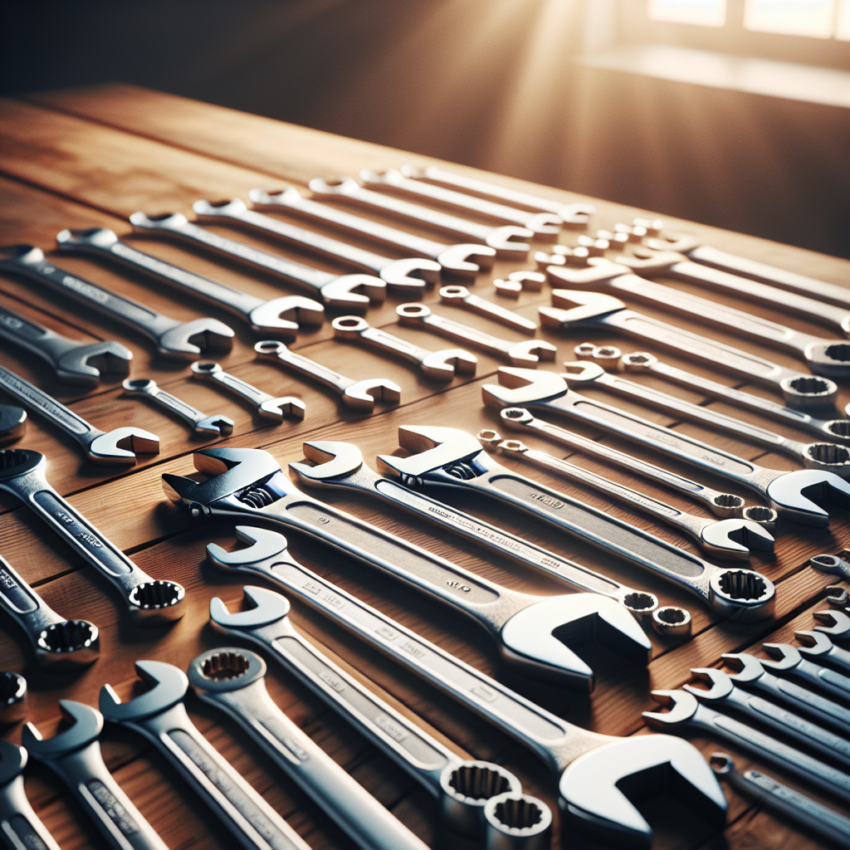
When it comes to tackling any DIY project, having the right tools is essential, and wrenches are among the most versatile tools in your toolbox. They provide the leverage needed to turn objects, typically fasteners, such as nuts and bolts, with ease. From standard household repairs to more complex projects, understanding the different types of wrenches and their uses can help make your tasks more efficient and effective.
Exploring Different Types of Wrenches
Wrenches come in various shapes and sizes, each designed for specific tasks. Mastering the art of using wrenches involves knowing which type to use for each application. Here’s a breakdown of some common wrenches you’ll encounter:
Adjustable Wrench
The adjustable wrench, also known as a crescent wrench, is a staple in many toolkits due to its versatility. Featuring a movable jaw, this tool can be adjusted to fit a variety of nut and bolt sizes. It’s particularly useful when you don’t have the exact size wrench needed for a job.
Socket Wrench
Perfect for tightening or loosening nuts and bolts in tight spaces, the socket wrench comes with interchangeable sockets to fit different fasteners. A socket wrench set typically includes a ratcheting handle, which makes them highly efficient and user-friendly.
Torque Wrench
A torque wrench is essential when precise torque application is required. It ensures that bolts are tightened to the right specifications, preventing damage from over-tightening. This tool is particularly valuable in automotive work and other machinery maintenance.
Box-End and Open-End Wrenches
Box-end wrenches are designed for gripping and turning fasteners, featuring an enclosed opening that fits over nuts. Meanwhile, open-end wrenches have U-shaped ends for gripping in tight areas. These are common in many standard wrench sets and useful for routine repairs.
Choosing the Right Wrench for Your Project
Selecting the correct wrench for the task is crucial for both efficiency and safety. Consider the size and type of the fastener, the space available, and the amount of torque required. For more tips on selecting the right tools for home projects, you can also check out expert advice on home maintenance.
Applications in Home Improvement
Wrenches play a significant role in home improvement projects. From assembling furniture to plumbing repairs, they can make tasks easier and ensure secure fittings. For more complex projects like installing a new sink, a combination of different wrenches might be necessary.
DIY Car Repairs and Maintenance
Wrenches are invaluable in automotive repairs. Tasks like replacing spark plugs or changing car batteries often require a specific type of wrench. A torque wrench, in particular, ensures that components are securely fitted without damage.
Innovations in Wrench Design
The basic design of wrenches hasn’t changed much over the years, but there have been innovations aimed at improving usability and efficiency. Ergonomic handles, for example, have been introduced to reduce user fatigue. Additionally, there are wrenches with built-in digital displays that provide feedback on torque levels, enhancing precision in delicate projects.
Maintenance Tips for Wrenches
Maintaining your wrenches in top condition extends their lifespan and ensures they function properly when needed. Regularly clean them to remove debris and oil. For adjustable wrenches, ensure the movable parts are well-lubricated to maintain smooth operation.
Safety Considerations
Using wrenches safely is paramount. Always ensure you have a firm grip and use the correct size to prevent slips that could lead to injury. Wearing gloves can provide additional protection and improve grip.
In conclusion, mastering the art of wrenches can greatly enhance your DIY capabilities. By familiarizing yourself with the different types and their applications, you can tackle any home improvement or repair project with confidence. Keep learning and experimenting with these versatile tools, and always prioritize safety above all.
- Wrenches are versatile tools crucial for many DIY projects.
- Different types, such as adjustable and socket wrenches, serve specific purposes.
- Proper maintenance and safety practices extend the life of your wrenches.
- Innovations in wrench design enhance precision and user comfort.
- Selecting the correct wrench type ensures efficient and effective task completion.
What are the primary types of wrenches?
The primary types of wrenches include adjustable wrenches, socket wrenches, torque wrenches, box-end wrenches, and open-end wrenches, each serving different purposes based on the task and fastener type.
How do I know which wrench size to use?
To determine the correct wrench size, match the wrench’s opening with the nut or bolt head. For adjustable wrenches, adjust the jaw to fit snugly around the fastener, ensuring a firm grip.
Why is a torque wrench important?
A torque wrench is important for applying a specific amount of torque, ensuring that fasteners are neither over-tightened nor under-tightened, which can prevent damage and ensure the reliability of the assembly.
Can I use a wrench for plumbing tasks?
Yes, certain wrenches, such as adjustable and pipe wrenches, are well-suited for plumbing tasks like repairing faucets or tightening pipe connections due to their ability to handle various fitting sizes.
Where can I learn more about wrench usage?
For more detailed information and guidance on using wrenches effectively, you can refer to resources like Wikipedia’s page on wrenches, which offers in-depth insights.