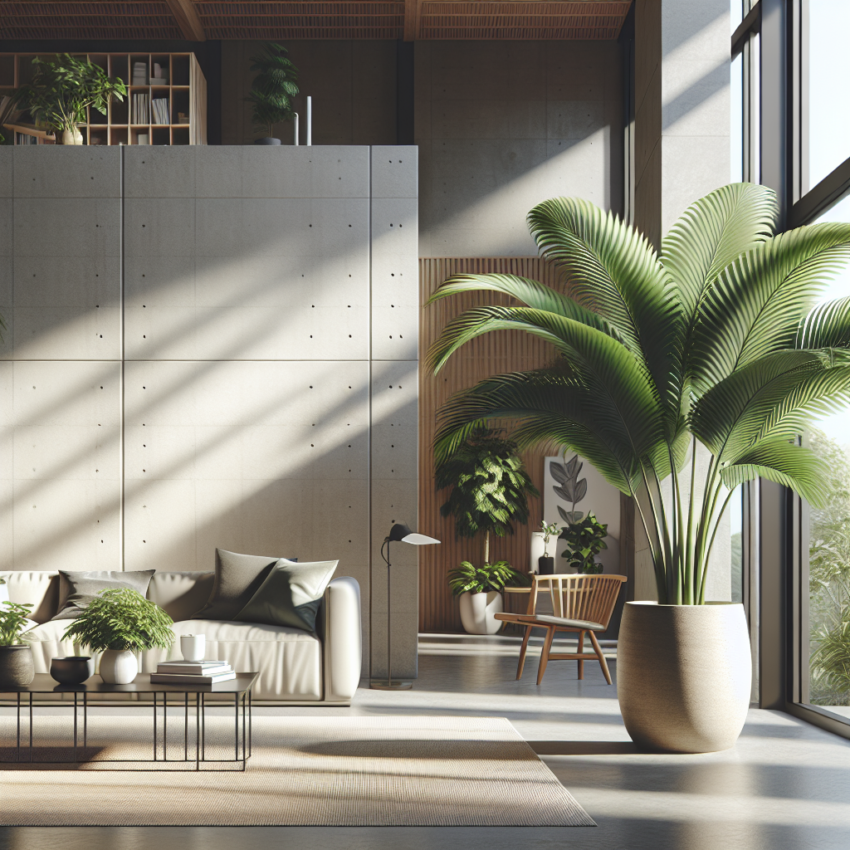
When it comes to indoor plants that offer a touch of elegance and improve the ambiance of your living space, the cat palm is an excellent choice. Known for its dense foliage and graceful arching fronds, the cat palm plant can transform any room into a mini tropical oasis. This tropical beauty requires some understanding of its care needs, which is what we’ll delve into below. Whether you’re a seasoned plant parent or a beginner looking to start your collection, understanding the cat palm tree and its requirements will ensure its longevity and health.
Caring for Your Cat Palm
The Chamaedorea cataractarum, commonly known as the cat palm, thrives in environments that mimic its natural habitat. Originating from the jungles of Southern Mexico and Central America, the plant is accustomed to moist, well-drained soils and bright, indirect sunlight. Here’s how you can care for it:
Lighting Requirements
Cat palms thrive best in bright, indirect light. Direct sunlight can scorch their leaves, while too little sunlight can lead to weak growth. An east or north-facing window is ideal, where the plant can enjoy morning sun and stay sheltered from the harsh afternoon rays.
Watering Needs
These plants prefer consistently moist soil. However, overwatering can lead to root rot, so it’s crucial to let the top inch of the soil dry out before re-watering. The pot should have adequate drainage to allow excess water to escape. Misting the foliage can also help maintain the humidity levels the cat palm tree craves.
Soil and Fertilization
A well-draining, peat-based potting mix is ideal for cat palms. This mimics their natural environment and supports their root health. During the growing season, from spring to early fall, a monthly application of a balanced liquid fertilizer can promote lush growth. Reduce fertilization in the winter months when the plant’s growth rate naturally slows.
Pest Control
Cat palm plants may occasionally attract common houseplant pests like spider mites or mealybugs. Regularly check the undersides of the leaves and use insecticidal soap or neem oil as a natural way to deter these unwanted guests. Maintaining proper humidity levels can also prevent pest infestations.
Benefits of Adding a Cat Palm to Your Home
Beyond its aesthetic appeal, the cat palm offers several benefits. It’s known to purify the air by removing toxins and providing fresher air in your home. This contributes to a healthier living environment, making it an attractive choice for health-conscious individuals.
Moreover, the presence of plants like cat palms can stabilize mood and reduce stress, which is especially valuable in urban living environments. They serve as a natural remedy to improve mental well-being, adding to their popularity among houseplant enthusiasts.
Decorating with Cat Palms
Due to their lush and full fronds, cat palms can occupy and bring life to larger spaces with ease. They make a fantastic focal point in living rooms, offices, or shaded areas of your outdoor garden. Pairing them with other tropical plants such as peace lilies or ferns can create a cohesive, calming green space.
Explore Further for Your Pets
For those with pets, understanding plant safety is crucial. Explore how to manage your pet’s environment effectively with our guide on giving your pet the best life possible. Safe plant choices are just one of many considerations for a pet-friendly home.
Conclusion
The cat palm is undeniably a magnificent addition to any space, offering both aesthetic beauty and health benefits. By meeting its specific cultural needs, you can enjoy its lush greenery all year round. Whether you’re starting a new plant journey or adding to your indoor garden, the cat palm makes for a pleasant companion. As with any plant, adapting your care routine to suit its growth cycle will ensure that your cat palm thrives and beautifies your home for years to come. For more detailed insights into similar topics, consider visiting this comprehensive health resource.
- The cat palm thrives in bright, indirect light, avoiding direct sunlight.
- A well-draining peat-based potting mix is ideal for growth.
- Pest control is necessary; check leaves regularly for signs of mites.
- Misting and moderate watering help maintain the humidity requirements.
- These plants contribute to air purification and improve mental well-being.
What is the ideal lighting for a cat palm?
Cat palms prefer bright, indirect light to mimic their natural habitat. Placing them near an east or north-facing window will help them thrive without sunburning their leaves.
How often should I water my cat palm?
Water your cat palm when the top inch of soil feels dry. Ensure good drainage to prevent root rot, and maintain consistent moisture levels by misting the plant regularly.
What type of soil is best for a cat palm?
A peat-based potting mix that provides good drainage is recommended for cat palms, as it replicates their natural environment and supports healthy root systems.
Can cat palms survive outdoors?
Cat palms can survive in outdoor settings in tropical or subtropical climates. They need to be shielded from harsh sunlight and given adequate moisture to thrive in these conditions.
Are cat palms effective air purifiers?
Yes, cat palms are known to help purify indoor air, removing pollutants and contributing to a healthier environment.