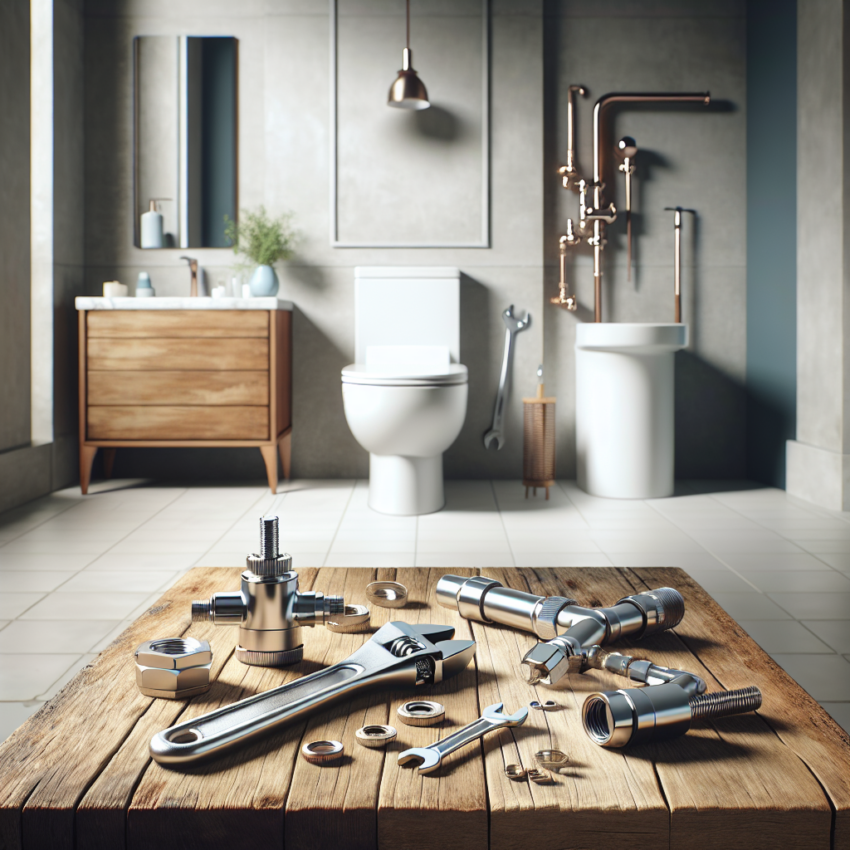
The fill valve in your toilet is a critical component that controls water flow from the supply line into the tank. When it functions properly, it ensures that your toilet flushes efficiently and refills quickly. However, problems with the fill valve can lead to issues such as running water, weak flushes, or even a toilet that won’t refill at all. In this guide, we will explore common fill valve toilet problems and provide solutions to help you address these issues effectively.
Common Fill Valve Toilet Problems
Toilet fill valve issues can range from minor annoyances to major repairs. Understanding these common problems can help you identify and fix them before they cause significant inconvenience or damage.
1. Constant Running Water
A common issue with the fill valve is constant running water. This occurs when the valve doesn’t shut off properly and constantly allows water to flow into the toilet tank, leading to wasted water and increased utility bills. This problem is usually caused by a misadjusted or faulty fill valve.
To resolve this, ensure that the fill valve is properly aligned and that the float is not stuck. Adjust the float level so that it shuts off the valve when the water reaches the appropriate level.
2. Toilet Not Filling Up
If your toilet tank is not filling up after a flush, it might indicate a problem with the fill valve or water supply. First, make sure the supply valve is fully open. If the problem persists, the fill valve may be clogged with debris. Cleaning or replacing the valve should restore normal function.
3. Noisy Refilling
Unusually loud noises during the refilling process can be another sign of fill valve issues. This can be caused by high water pressure or a worn-out valve. Installing a pressure-reducing valve or replacing the fill valve can alleviate noise problems.
How to Fix Fill Valve Toilet Issues
Addressing fill valve issues requires some basic plumbing skills. Here are some steps to troubleshoot and fix common problems:
Step 1: Inspection
Begin by inspecting the fill valve and related components. Check for visible wear, damage, or misalignment. Ensure that the float is moving freely and not obstructed by dirt or debris.
Step 2: Adjustment
Adjust the fill valve if the water level in the tank is too high or low. Most modern toilets have an adjustable fill valve that you can tweak by turning a screw or sliding a clip. This adjustment controls the float level and consequently the water level in the tank.
Step 3: Cleaning
Disassemble the fill valve and clean any components that appear clogged or dirty. This can improve the overall function of the valve, especially if hard water deposits are present. Flush the valve to remove any loose debris.
Step 4: Replacement
If adjustments and cleaning do not resolve the issue, replacing the fill valve may be necessary. Make sure you purchase a compatible valve for your toilet model. Follow the manufacturer’s instructions for installation, and test the toilet to ensure proper operation.
For more comprehensive home improvement projects, consider exploring topics like resurfacing a concrete driveway to enhance your home’s value and appearance.
When to Call a Professional
While many fill valve toilet issues can be resolved with DIY methods, there are times when it’s best to seek professional help. If you’re uncomfortable working with plumbing components or if the problem persists after attempting repairs, it may be time to contact a plumber.
Serious underlying issues, such as extensive plumbing leaks or systemic water pressure problems, require professional assessment and repair. Do not hesitate to call a plumber to avoid further damage and ensure the longevity of your toilet system.
Conclusion
Understanding fill valve toilet issues and their solutions helps maintain your bathroom plumbing in good condition. From minor adjustments to replacing faulty components, regular maintenance can prevent larger problems and save costs in the long run. Always remember that while some issues can be handled independently, professional advice is invaluable for complex situations. For more detailed information on toilets and plumbing, you can refer to resources like this Wikipedia page on toilets.
- The fill valve controls water flow into the toilet tank.
- Common issues include constant running water, no fill, and noisy refills.
- Inspect, adjust, clean, or replace the fill valve to resolve problems.
- Seek professional help for persistent or complex issues.
- Regular maintenance prevents major plumbing inconveniences.
FAQ
What is the function of a fill valve in a toilet?
The fill valve controls the flow of water from the supply line into the toilet tank, ensuring it fills to the correct level after each flush.
Why does my toilet keep running all the time?
This usually happens when the fill valve does not shut off completely, often due to misalignment or wear and tear. Adjusting or replacing the valve can resolve this issue.
Why is my toilet making loud noises when filling?
Loud noises during refilling may result from high water pressure or a worn-out fill valve. Installing a pressure-reducing valve or replacing the fill valve can help reduce noise.
How do I know if my fill valve is faulty?
Signs of a faulty fill valve include constant running water, incomplete tank refilling, and unusual noises during the fill process. Inspecting and testing the valve can confirm its condition.
Can I replace a fill valve by myself?
Yes, replacing a fill valve is generally a straightforward DIY task if you follow the manufacturer’s instructions. However, if you’re unsure, consulting a plumber is advisable.