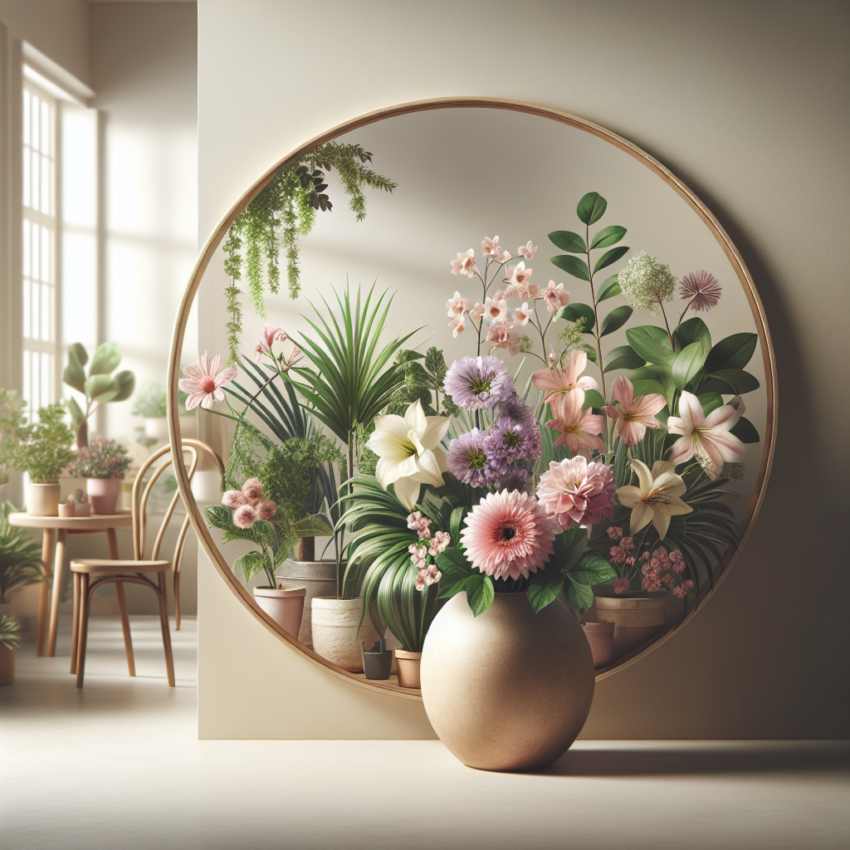
Flowering plants offer much more than just visual appeal; they can also enhance the ambiance of your home and garden environment. These plants, with their vibrant colors and enchanting fragrances, not only uplift your mood but also contribute to a healthier living space. From improving air quality to providing pollinator support, flowering plants are a versatile choice for any setting.
The Many Benefits of Flowering Plants
Flowering plants are not just aesthetically pleasing; they play a significant role in creating a harmonious environment. They are known to improve air quality by absorbing pollutants and releasing oxygen, making indoors feel fresher. Additionally, they can increase the humidity level in your home, which can be particularly beneficial in dry climates.
Adding Value to Your Home
Incorporating flowering plants into your home decor adds a splash of color and life to any room. Fast-growing vines or vibrant potted flowers can serve as focal points in your interior design. They also offer a unique way to express your personal style, whether you prefer the bold hues of hibiscus or the subdued elegance of lavender.
Promoting a Healthier Lifestyle
Research suggests that being surrounded by nature and plants can lower stress levels and improve mental well-being. The act of caring for flowering plants, such as watering and pruning, provides a mindful routine that can be both relaxing and rewarding. In turn, a well-maintained garden can encourage you to spend more time outdoors and engage in physical activity.
Flowering Plants for Your Garden
When it comes to gardening, flowering plants are a popular choice due to their adaptability and appeal. They attract pollinators such as bees and butterflies, which are essential for maintaining ecological balance. By selecting a diverse range of flowering plants for your garden, you create a vibrant ecosystem that supports biodiversity.
For efficient garden management, you might consider implementing an irrigation system to ensure your flowering plants receive the optimal amount of water. Check out this comprehensive guide on irrigation installation systems for tips on setting up and maintaining a system that suits your garden’s needs.
Popular Types of Flowering Plants
There is a vast array of flowering plants suitable for different climates and preferences. Some of the most popular ones include roses, known for their classic beauty and variety of colors, and sunflowers, which are not only striking but also support wildlife with their seeds. Other popular choices include zinnias, petunias, and daffodils.
Choosing the Right Flowering Plants
Before selecting flowering plants, consider the environmental conditions of your space. Factors such as light availability, temperature, and soil type will influence which plants are best suited for your home or garden. It’s also important to consider the level of maintenance you are willing to invest in. Some plants may require frequent watering and attention, while others are more resilient and low-maintenance.
Creating an Ideal Growing Environment
Providing the right conditions for flowering plants is key to their growth and flowering potential. Ensure they receive the appropriate amount of sunlight and water, and consider using fertilizers to supply necessary nutrients. Consulting a local gardening expert or referencing resources like this comprehensive guide can provide valuable insights on plant care and maintenance.
Flowering plants offer numerous benefits to your home and garden, from improving air quality and enhancing decor to supporting pollinators. By carefully selecting and maintaining these vibrant additions, you not only beautify your space but also contribute to a healthier and more enjoyable environment. Explore the various types of flowering plants available and discover how they can transform your living space.
- Flowering plants improve air quality and aesthetics.
- They support pollinators and promote biodiversity.
- Diverse types cater to different climates and preferences.
- Caring for plants can reduce stress and encourage outdoor activities.
- Choose plants based on environmental conditions for optimal growth.
What are the essential care tips for flowering plants?
To ensure healthy growth, provide appropriate sunlight, consistent watering, and proper soil. Use fertilizers as recommended for nutrient supplementation, and consider pest control measures if needed.
How do flowering plants impact mental health?
Engaging with nature and plants has been shown to reduce stress and improve overall mental well-being. The process of tending to plants can be therapeutic and promote relaxation.
Which flowering plants are best for beginners?
Beginners might opt for resilient, low-maintenance options such as marigolds, petunias, or sunflowers, which thrive in various conditions and require minimal upkeep.
How can I use flowering plants to attract pollinators?
Incorporate a variety of native flowering plants to provide nectar and pollen sources for pollinators like bees and butterflies. The diversity of colors and scents will naturally draw them to your garden.
Are there specific flowering plants that improve air quality?
Certain plants, like peace lilies, gerbera daisies, and chrysanthemums, are particularly effective at filtering air and removing toxins, thereby enhancing indoor air quality.