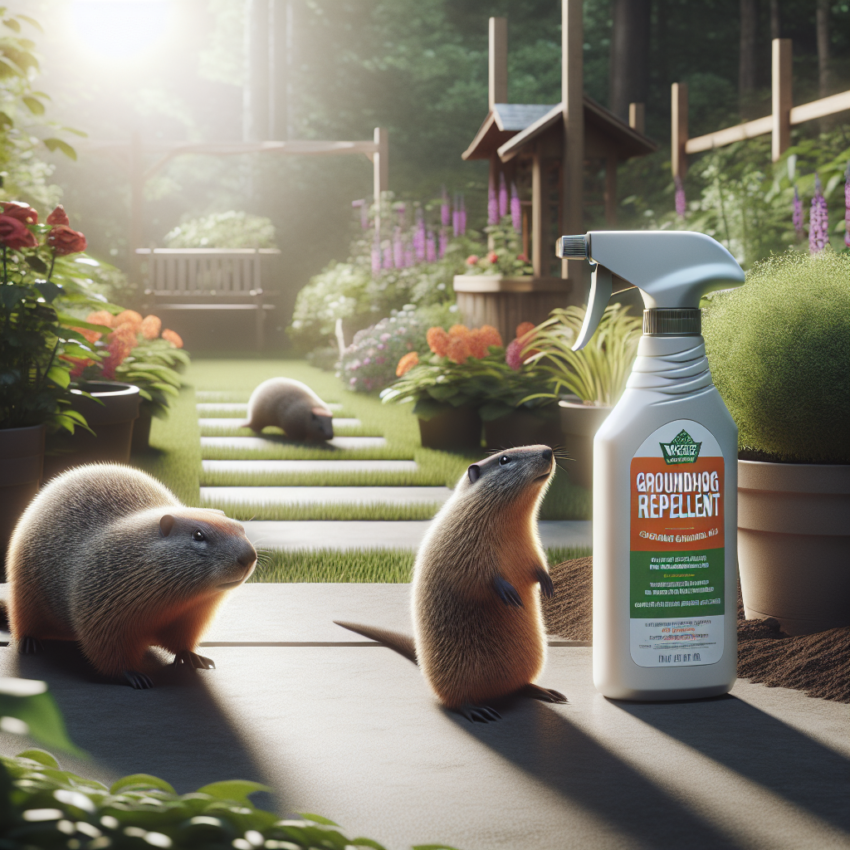
Dealing with pesky groundhogs can be a frustrating experience for gardeners. These animals, also known as woodchucks, are notorious for causing significant damage to gardens. One effective solution is to use groundhog repellent, a strategy many homeowners consider to protect their precious plants. This article will explore various strategies and tips to keep groundhogs at bay and maintain a thriving garden.
Understanding Groundhog Repellent
Groundhog repellent is specifically designed to deter these burrowing animals from entering and damaging your garden. There are several types of repellents available, ranging from natural home remedies to commercial products. Understanding their use and effectiveness is essential for choosing the best solution for your garden.
Types of Groundhog Repellents
When it comes to choosing a groundhog repellent, there are a variety of options available:
- Natural Repellents: These include substances such as castor oil, garlic, peppermint oil, and even cayenne pepper. These items have strong scents that groundhogs find unpleasant, making them less likely to hang around.
- Commercial Repellents: These products are formulated specifically for repelling groundhogs and may contain ingredients like predator urine, putrescent egg solids, or other odors that groundhogs find repelling.
- Electronic Repellents: Devices such as ultrasonic repellers use sound waves imperceptible to humans but intolerable for groundhogs. These can be effective in covering larger areas.
Best Practices for Using Groundhog Repellents
Here are some best practices to follow when using groundhog repellents:
- Identify Entry Points: Knowing where groundhogs enter your garden can help you strategically place repellents for maximum effect.
- Consistency is Key: Regular application of repellents is vital for long-term success. Periodically reapply natural and commercial repellents, especially after rainfall.
- Combine Methods: Using a combination of natural, commercial, and electronic repellents can enhance effectiveness, preventing groundhogs from adapting to any single deterrent.
Maintaining Your Garden’s Integrity
Aside from using repellents, there are other measures you can employ to prevent groundhog damage. Installing fences, particularly those buried several inches underground, can thwart groundhog tunneling. Regular garden maintenance, such as cleaning gutters and removing debris, can also minimize attraction to your garden.
Health and Safety Considerations
When using chemical-based repellents, it’s crucial to follow the manufacturer’s instructions to avoid harming plants or pets. Opt for environmentally friendly options whenever possible. For further reading, the article on Health provides general safety guidelines that may be useful.
Choosing the Right Groundhog Repellent for You
Selecting the appropriate groundhog repellent depends on individual circumstances, such as garden size and local wildlife. Natural repellents might be preferred for smaller gardens due to their cost-effectiveness and eco-friendliness, while larger properties might benefit from electronic solutions. Consulting with a gardening professional can provide personalized recommendations tailored to specific needs.
The continuous battle against groundhogs may seem daunting, but with the right strategies and insights into groundhog repellent, your garden can flourish without unwanted guests. Whether opting for natural or commercial methods, staying consistent and vigilant will help protect your garden’s beauty and yield.
- Groundhog repellents come in natural, commercial, and electronic forms.
- Effectiveness relies on consistent application and monitoring entry points.
- Combining multiple methods increases the likelihood of success.
- Implementing physical barriers complements other repellent strategies.
- Health and safety should always be considered when using chemical repellents.
What natural ingredients can be used as groundhog repellent?
Natural ingredients like castor oil, garlic, and peppermint oil can serve as effective groundhog repellents due to their strong and unpleasant odors.
How often should groundhog repellent be applied?
Natural and commercial repellents typically need reapplication every few weeks or after heavy rain to maintain their effectiveness.
Are electronic repellents safe for pets?
Most electronic repellents are designed to be safe around pets, as they use frequencies only perceptible to groundhogs. Always check product-specific guidelines to ensure safety.
Can fences prevent groundhogs from entering my garden?
Yes, fences can be an effective physical barrier, especially if they are buried at least a foot underground to prevent groundhogs from digging underneath.
Is there a particular season when groundhog repellent is most effective?
Spring and early summer are optimal times to apply groundhog repellent, as this is when groundhogs are most active and likely to invade gardens.