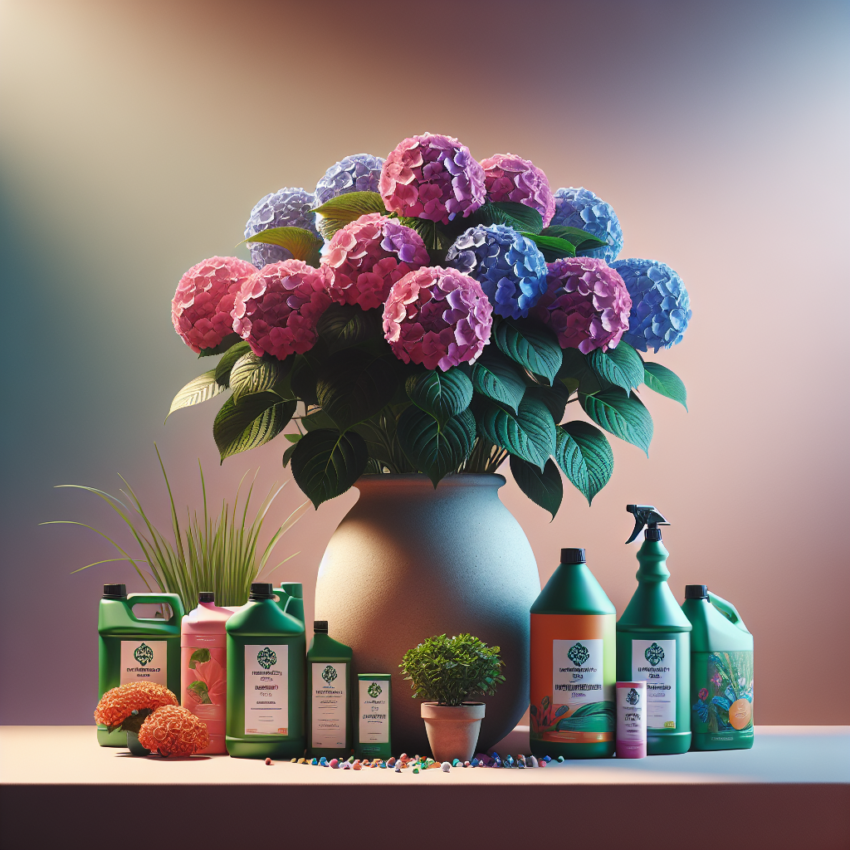
Choosing the right hydrangea fertilizer is crucial for gardeners wanting to achieve vibrant, lush blooms. Whether you’re a novice or an experienced botanist, understanding the needs of your hydrangea plants can make all the difference in the success of your garden. In this article, we’ll discover the secrets to selecting the best hydrangea fertilizer, ensuring your plants thrive throughout the growing season.
Understanding Hydrangea Fertilizer
Hydrangeas are beloved for their large, colorful flowers, but they require specific nutrients to thrive. The ideal fertilizer should provide a balanced supply of nitrogen, phosphorus, and potassium, often noted as N-P-K on fertilizer labels. For hydrangeas, a balanced 10-10-10 N-P-K ratio is usually recommended, but modifications might be needed based on your soil’s composition and your specific plant variety.
Types of Hydrangea Fertilizers
There are several types of fertilizers available, each with unique benefits. Understanding the differences helps in making an informed choice.
- Granular Fertilizers: These provide a slower release of nutrients, making them ideal for gradual feeding. They are applied to the soil and usually last four to eight weeks.
- Liquid Fertilizers: These are fast-acting and are often mixed with water before application. They provide immediate nutrient availability and are useful when a quick boost is needed.
- Organic Fertilizers: Comprising natural ingredients, such as compost or manure, organic fertilizers improve soil health over time while feeding the plants. They are eco-friendly and help maintain long-term soil quality.
Soil pH and Hydrangea Colors
The color of hydrangea flowers can be influenced by the soil’s pH level. For instance, acidic soils (pH below 6) typically yield blue flowers, while alkaline soils (pH above 7) produce pink blooms. Adjusting the soil’s pH can be included as part of your fertilization strategy to achieve desired flower colors. Products like aluminum sulfate for blue blooms or garden lime for pink shades can be added following soil tests.
Best Practices for Fertilizing Hydrangeas
Timing and technique are key when it comes to using hydrangea fertilizer to its full potential. It’s important to know when and how to apply for the best results.
Fertilizing Schedule
Start fertilizing in early spring when new growth appears, and continue periodically through the growing season. Avoid over-fertilizing, as this can lead to excessive leaf growth at the expense of flowers.
Application Techniques
When using granular fertilizers, spread them evenly around the base of the plant and water well. For liquid fertilizers, follow the manufacturer’s instructions for dilution and apply directly around the root zone. Ensure fertilizers are applied when the soil is moist to prevent burning the roots.
For continuous learning, check out this article on natural supplements for enhanced plant health and more tips on improving soil quality.
Environmental Considerations
Being mindful of environmental impact is important. Overuse of synthetic fertilizers can lead to nutrient runoff, affecting water quality. Opting for organic, slow-release fertilizers can mitigate these concerns. Additionally, regular soil testing can prevent unnecessary applications and promote more precise fertilization strategies.
For detailed information on sustainable gardening practices, visit this Health Resources page which includes environmental concerns around chemical use in gardening.
Conclusion
Choosing the right hydrangea fertilizer is an essential step in achieving the lush, vibrant blooms that every gardener desires. By understanding your soil’s needs, considering the type of fertilizer that best suits your plants, and following recommended practices, you can support your hydrangeas throughout their growth cycle effectively.
- Understand your soil’s pH to influence flower color.
- Choose the right type of fertilizer for your gardening needs.
- Follow the recommended fertilizing schedule and technique.
- Consider environmentally sustainable practices.
- Always observe your plants and adjust care as needed.
Frequently Asked Questions
What is the best time to fertilize hydrangeas?
The best time to fertilize hydrangeas is in early spring when new growth starts and continue through the growing season about every four to six weeks.
Can I use coffee grounds on my hydrangeas?
Yes, coffee grounds can be sprinkled on the soil around hydrangeas to acidify the soil, potentially helping blue hydrangeas maintain their hue. However, use them sparingly to avoid altering soil balance too drastically.
How do I choose between granular and liquid fertilizers?
Choose granular fertilizers for a slow release of nutrients and a more hands-off approach, while liquid fertilizers are ideal for quick results and more precise nutrient delivery.
Do hydrangeas require special fertilizers if planted in containers?
Hydrangeas in containers may need more frequent fertilizing as nutrients can leach out quicker compared to in-ground plants. Regular soil checks and timely feedings are essential for container-grown plants.
What are signs that my hydrangeas need fertilizing?
Signs that your hydrangeas may need fertilizing include yellowing leaves, sparse blooming, and smaller-than-usual flowers. If you notice these, consider a soil test to ensure you’re providing the appropriate nutrients.