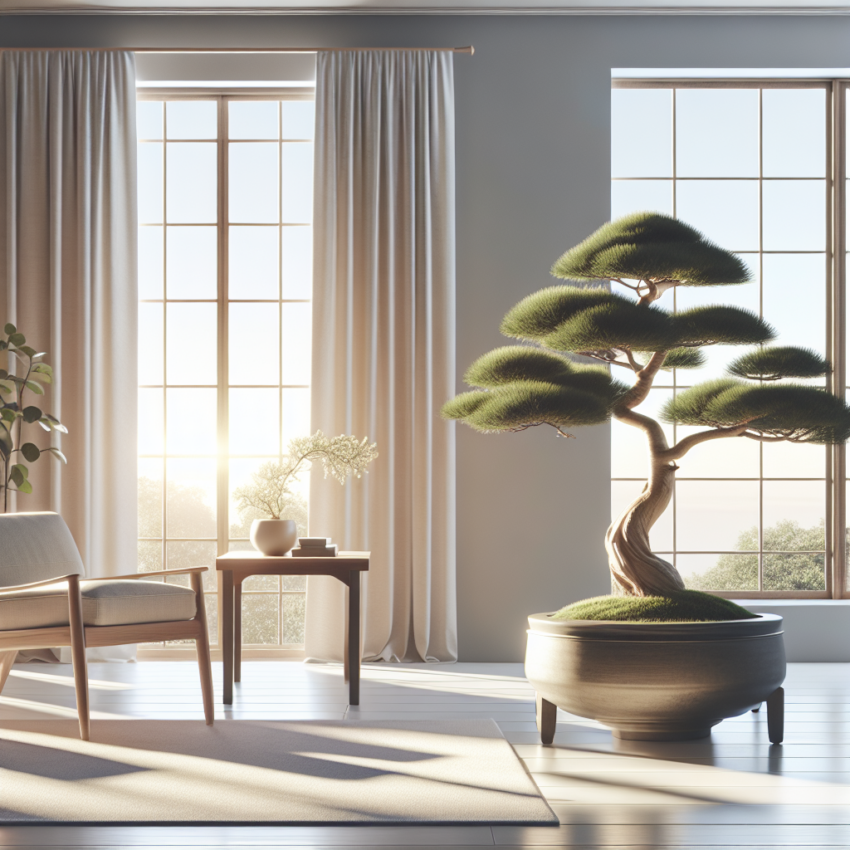
Incorporating the natural beauty of a juniper bonsai tree into your living space can transform the ambiance and enrich your environment. These miniature trees not only enhance your decor but also offer therapeutic benefits by creating a calming presence. Whether you’re a plant enthusiast or seeking to spruce up your home, understanding the care and characteristics of juniper bonsai can help you foster a rewarding indoor gardening experience.
Why Choose a Juniper Bonsai?
Juniper bonsai trees are cherished for their stunning aesthetic and robust nature. As one of the more forgiving bonsai species, they make ideal candidates for both beginners and experienced gardeners. They are known for their evergreen qualities, which means they retain their lush appearance year-round, adding a perennial splash of greenery to any room.
Additionally, these trees can be trained into a variety of shapes, allowing you to express creativity while promoting mindfulness and patience in their care.
Essential Care Tips for Your Juniper Bonsai
Caring for a juniper bonsai tree involves simple yet attentive actions. Here are key tips to ensure your bonsai thrives:
- Light: Place your juniper bonsai where it can receive plenty of sunlight. They thrive in bright, indirect light.
- Watering: Keep the soil moist, but not waterlogged. Monitor the moisture level and adjust your watering schedule accordingly.
- Pruning: Regular pruning helps maintain the desired shape and encourages the development of denser foliage.
- Humidity: Juniper bonsai prefer higher humidity. If indoor air is dry, consider misting the leaves occasionally.
Juniper Bonsai: A Journey in Artistry
Growing and shaping a juniper bonsai tree is much more than gardening; it is an art form that has been practiced for centuries. The process of shaping these petite trees into intricate forms can be meditative and rewarding, offering a creative outlet that is both fulfilling and stress-relieving.
Engaging with your juniper bonsai can parallel practices in personal development, just as astrology readings can offer insights into our personal growth journeys. Explore more on using astrology for personal development to see how embracing different lifestyle practices can enrich your life.
Creating a Juniper Bonsai Display
Arranging your juniper bonsai in a way that highlights its beauty is crucial to enhancing your space. Consider a few stylistic approaches:
- Pots and Containers: Use decorative, shallow pots that complement your bonsai and match your overall decor.
- Positioning: Set your bonsai on a stand or shelf where it can be admired at eye level, ensuring adequate sunlight exposure.
- Complementary Decor: Add rocks, moss, or miniature figurines to create a full-scape, natural mini-garden.
The Continuous growth of Juniper Bonsai in Culture
Juniper bonsai trees have deep-rooted significance in various cultures, symbolizing peace, harmony, and balance. They serve not only as artistic endeavors but also bring connections to historic traditions that celebrate nature and tranquility.
Expanding your knowledge about the history and cultural relevance of bonsai can deepen your appreciation for your juniper tree and enrich the narrative it adds to your home.
For more detailed information on the art form and science behind bonsai, consult reputable resources such as Wikipedia’s bonsai page.
- Juniper bonsai offer both aesthetic and therapeutic benefits.
- Care includes proper lighting, watering, and humidity.
- Engaging in bonsai art enriches mindfulness and creativity.
- Display techniques enhance the natural beauty of the bonsai.
- Bonsai trees have cultural significance that adds to their narrative.
What makes juniper bonsai ideal for beginners?
Juniper bonsai trees are hardy and adaptable, making them perfect for beginners. They withstand various conditions and allow for creative shaping, providing a forgiving platform for novices to learn bonsai care.
How often should I water my juniper bonsai?
Water your juniper bonsai when the top inch of soil feels dry. The frequency can vary based on environmental conditions, but generally, it is a weekly task ensuring the soil remains moist.
Can juniper bonsai trees be grown indoors?
Yes, with the right care! Ensure they get enough indirect light and humidity, and they can thrive indoors, creating a green oasis within your home.
What are some common pruning techniques for juniper bonsai trees?
Techniques include pinching new growth to maintain shape and cutting back branches to control size. Use clean, sharp tools to make precise cuts and avoid damaging the plant.
Why is humidity important for juniper bonsai trees?
High humidity mimics their natural environment, preventing the needles from drying out and maintaining healthy growth. Misting and pebble trays can help increase humidity levels.
With proper care and creativity, your juniper bonsai can become a beloved element of your decor, offering a timeless connection to nature and an art form that brings tranquility to your space.