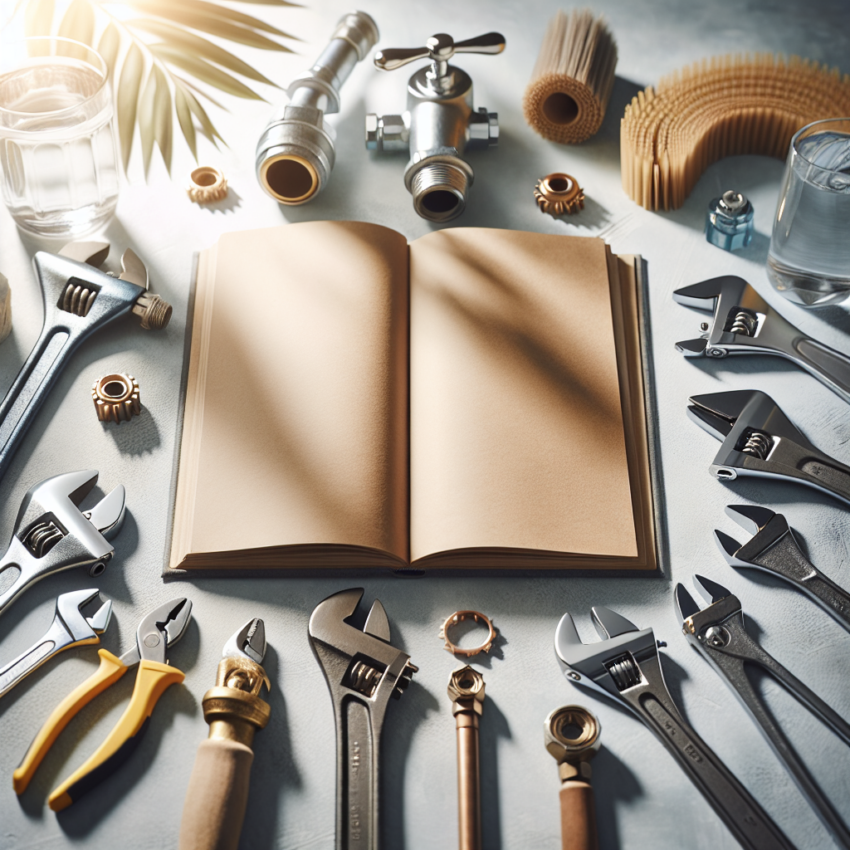
Every homeowner knows that having the right plumbing tools can be a lifesaver when small emergencies arise. Whether it’s a leaky faucet or a clogged drain, having a basic tool kit can help you tackle simple fixes without needing a professional plumber. Understanding the essentials and how to use them not only saves time but also money.
Essential Plumbing Tools You Should Have
Equipping your toolkit with key plumbing tools ensures you’re prepared to handle minor repairs on your own. In this guide, we’ll cover the must-have items that should be part of every homeowner’s toolkit.
1. Pipe Wrench
A pipe wrench is a staple in any plumbing toolkit. Used for gripping and turning pipes, it has adjustable jaws that can accommodate various pipe sizes. Since pipes are round and slippery, a pipe wrench’s teeth deliver the grip needed for tightening or loosening them. It’s a durable tool designed for heavy-duty work.
2. Plungers
Plungers are essential for dealing with clogs. There are two main types you should consider: a cup plunger for sinks and a flange plunger for toilets. The suction created by plungers helps clear blockages by breaking up the material causing the clog. Regular maintenance using these tools can prevent bigger issues down the line.
3. Plumber’s Tape
Plumber’s tape, also known as Teflon tape, is vital for ensuring leak-free seals on threaded plumbing connections. Wrapping this tape around threads helps prevent water leaks by providing a tight seal. It’s especially useful in high-pressure water systems, guarding against drips and leaks.
4. Basin Wrench
A basin wrench is a specialized tool perfect for tightening or loosening nuts in hard-to-reach places, such as under sinks. Its long handle and pivoting head make it possible to work in cramped spaces where larger wrenches can’t fit. This tool is particularly useful for installing new faucets or replacing old ones.
5. Adjustable Wrench
No toolkit is complete without an adjustable wrench. It’s versatile and can be used for a variety of nuts and bolts in plumbing projects. The adjustable jaw design allows it to fit different sizes, making it useful for various piping and plumbing tasks.
6. Pipe Cutter
A pipe cutter offers a clean, quick way to cut through pipes. This tool ensures a perfect fit between new pipes by providing smooth, straight cuts. It’s more efficient and provides a cleaner result than a hacksaw, making it indispensable for any pipe repair or installation job.
7. Auger
Also known as a plumbing snake, an auger is used to clear stubborn blockages in drains. Unlike plungers, which work well on superficial clogs, an auger can dislodge debris trapped deeper in the pipes. This makes it a critical tool for solving more persistent plumbing problems.
8. Caulk Gun
A caulk gun is essential for sealing bathtubs, sinks, and other fixtures. It helps lay a smooth, consistent line of caulk, preventing water from seeping into seams, thereby protecting the areas from water damage. Regular re-caulking can extend the life of fixtures and prevent future damage.
9. Tape Measure
Precision matters in plumbing, and having a tape measure ensures accurate measurements for any project. Whether it’s for determining pipe lengths or placement of fixtures, precise measurements prevent mistakes and material waste.
Understanding these tools not only prepares you to manage everyday plumbing challenges but also helps you when consulting a plumber. Always remember that while minor repairs can be managed on your own, more complex plumbing issues should be left to the professionals.
For general home maintenance, you might also find it helpful to explore tips and resources on gutter cleaning, which complements your plumbing skills by ensuring proper drainage around your home.
For more extensive insights into various tools, you can visit this comprehensive guide on wrenches, which can be useful for understanding their various applications.
Having basic plumbing tools at your disposal makes home repairs simpler and less daunting. Take the time to understand each tool’s purpose and ensure you’re prepared for any plumbing challenge that may arise.
- Identify the essential plumbing tools and understand their uses.
- Ensure your toolkit has a mix of basic and specialized tools for plumbing.
- Consider regular maintenance to prevent plumbing issues.
Frequently Asked Questions
What are the most basic plumbing tools every homeowner should have?
Every homeowner should have a pipe wrench, plunger, plumber’s tape, basin wrench, adjustable wrench, pipe cutter, auger, caulk gun, and a tape measure.
How can I use a plunger effectively?
Ensure the plunger’s cup covers the drain completely. Push down gently, then pull up sharply for suction. Repeat until the clog clears.
Is it necessary to have different types of wrenches?
Yes, different wrenches such as the adjustable and basin wrenches serve unique purposes and help tackle various plumbing tasks effectively.
What’s the difference between a pipe cutter and a hacksaw?
A pipe cutter offers cleaner, more precise cuts compared to a hacksaw, saving time and preventing uneven edges in piping.
When should I call a professional plumber?
If you encounter complex issues like major leaks, lack of water, or require extensive repairs, consulting a professional is crucial.