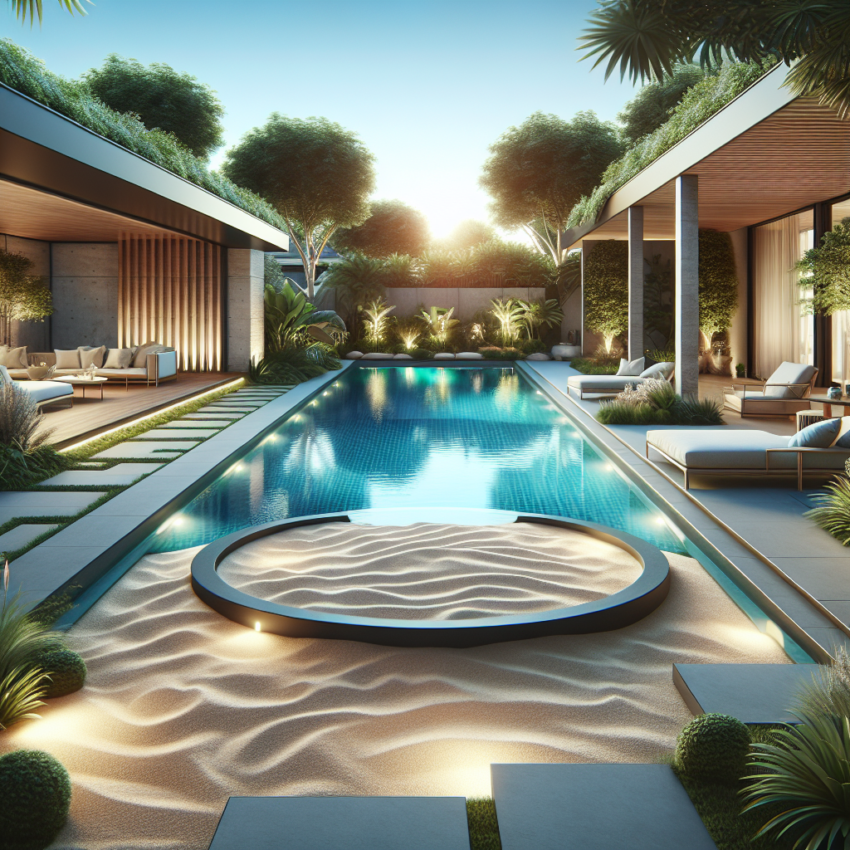
Transforming your backyard into a stunning oasis often involves upgrading your pool area. When planning your dream retreat, the choice of pool sand is crucial. It plays a vital role in pool filtration, ensuring clean and clear water. Understanding this aspect can significantly elevate the comfort and aesthetics of your outdoor space.
Choosing the Right Pool Sand
There are various types of sand to consider when it comes to enhancing the functionality and appearance of your pool. The most common is silica pool sand, known for its effectiveness in trapping debris. Silica sand is made from ground quartz, creating sharp edges that effectively filter out particles, ensuring your pool water remains pristine.
If you prefer a more environmentally-friendly option, consider using glass sand. Made from recycled glass, it offers similar filtration benefits. Additionally, it is resistant to compaction, which can enhance the longevity of your filtration system. This type of sand may be higher in cost but offers sustainability benefits.
Other options include zeolite sand, which can trap smaller particles compared to silica and has a high cation exchange capacity. This means that zeolite sand can remove ammonia and other harmful chemicals, improving water quality.
Maintaining Your Pool with Proper Sand Care
Regular maintenance of your pool sand is essential to ensure optimal performance. Over time, the effectiveness of the sand can diminish due to clogging and compaction. To prevent this, it’s recommended to change your pool sand every 5-7 years, depending on the frequency of pool use and water quality.
Backwashing your pool’s sand filter is also vital. This process involves reversing the water flow through your filter to remove trapped debris. Regular backwashing helps maintain the efficiency of the filtering system, ensuring that your pool water remains clear and inviting.
Consider using a zeolite or glass sand, which can improve filtration quality and reduce maintenance frequency. These alternatives often require less frequent changing and backwashing, providing additional convenience and prolonged filter life.
The Economic and Aesthetic Benefits of Pool Sand
Investing in high-quality pool sand can provide multiple benefits beyond water cleanliness. Using the right sand can reduce the need for chemical treatments, saving on long-term operational costs. It can also minimize maintenance, allowing you to enjoy a more hassle-free pool environment.
Aesthetically, the right pool sand can contribute to the visual appeal of your backyard oasis. Clear water enhances the natural beauty of your pool area, inviting guests to experience a serene outdoor ambiance. Whether it’s silica, zeolite, or glass sand, each choice uniquely complements the look and feel of your pool.
Moreover, if you’re considering broader backyard enhancements, learn about cost-effective solutions like resurfacing a concrete driveway to unify your outdoor theme.
Pool Sand in the Context of Health and Safety
Pool sand plays an indirect role in ensuring the safety of your swimming environment. Efficient filtration systems managed by high-quality sand reduce the risk of waterborne illnesses, as contaminants and bacteria are more effectively removed.
This aspect is crucial for families with children and pets, providing peace of mind that your swimming area is safe for everyone. According to the Centers for Disease Control and Prevention (CDC), properly maintaining filtration systems is key to preventing recreational water illnesses.
For further insight into pool maintenance and health implications, you can explore more details through reliable sources such as the Wikipedia on Swimming Pool Sanitation.
Ultimately, the choice of pool sand can elevate your outdoor experience by ensuring clean water, aesthetic appeal, and reduced maintenance costs. As you explore options, consider your specific needs and preferences to create the perfect backyard retreat.
- Different types of pool sand offer various benefits and are crucial for clean pool water.
- Regular maintenance, including changing and backwashing, is paramount for sand longevity.
- High-quality sand reduces the need for chemicals and enhances pool safety.
- Correct sand choice complements aesthetics and minimizes maintenance costs.
- Environmental-friendly options like glass sand offer sustainability benefits.
What is silica pool sand?
Silica pool sand is made from finely ground quartz and acts as a highly efficient filtration medium, helping to remove debris and particles from pool water.
How often should I change my pool sand?
It’s recommended to change your pool sand every 5-7 years, though this can vary based on pool usage and sand type.
What are the benefits of using glass sand?
Glass sand, made from recycled materials, is effective at filtration, has environmental benefits by reducing waste, and offers longevity without compacting.
Is pool sand safe for my family and pets?
Yes, when properly maintained, pool sand helps keep pool water free from harmful contaminants, promoting a safe swimming environment.
Can pool sand affect the look of my backyard?
Absolutely. The right pool sand choice contributes to clear water, enhancing the pool’s visual appeal, thus improving the overall aesthetic of your backyard oasis.