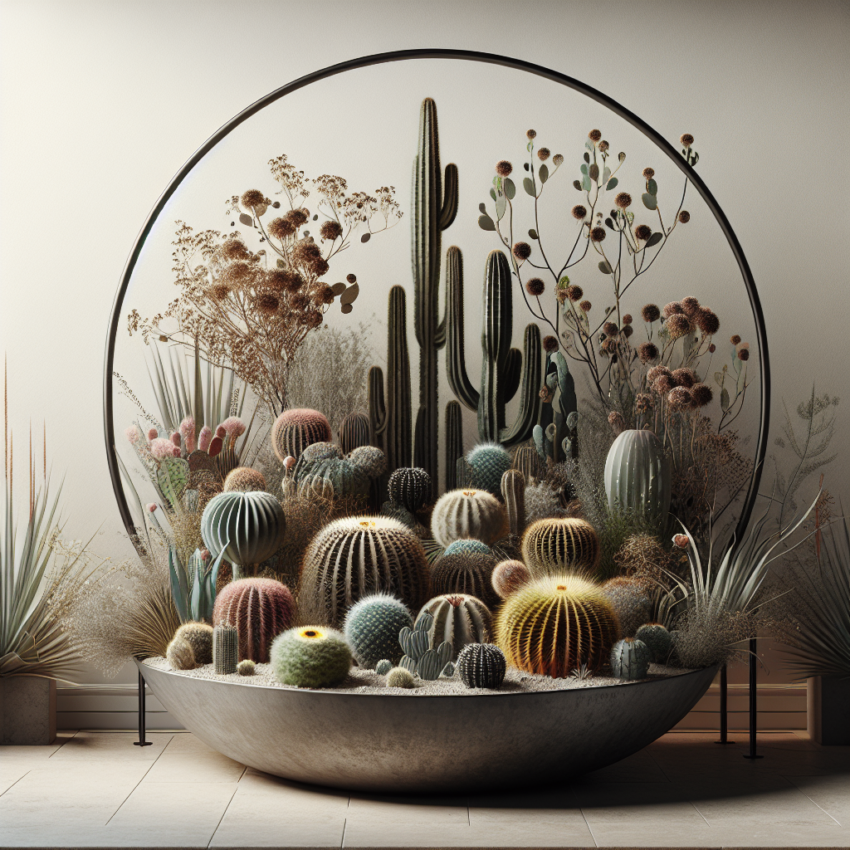
Gardening offers a unique source of joy and satisfaction, especially when you create a dynamic space with a variety of plants. One way to enhance your garden experience is by incorporating prickly plants. Not only do these unique flora add texture and depth, but they can also transform your space into an extraordinary environment. When prickly plants grow a garden, they bring an unusual beauty that stands out in any landscape design.
The Benefits When Prickly Plants Grow a Garden
Incorporating prickly plants into your garden comes with a host of benefits. Their natural defenses make them less appealing to pests, which means they often require less maintenance compared to other plants. Prickly plants such as cacti and succulents are also drought-tolerant, which makes them ideal candidates for sustainable gardening in arid regions. Their unique shapes and vibrant blooms can make your garden visually striking and interesting. For tips on water management for your prickly garden, consider checking out this guide on irrigation installation systems.
Prickly plants not only contribute to aesthetics but also support biodiversity. The way their structure discourages pests can attract other beneficial organisms to your garden. Birds and certain insects that feed on common garden pests tend to find shelter in these prickly havens, promoting a balanced ecosystem.
Choosing the Right Prickly Plants for Your Space
When selecting prickly plants, it’s important to consider your regional climate and garden layout. Popular choices include various types of cacti, agave, and yucca. These plants thrive with plenty of sunlight and minimal water, reducing the need for frequent watering. With careful planning, prickly plants can be the highlight of your garden, adding both height and texture.
Cacti: The Classic Choice
Cacti are perhaps the most well-known prickly plants. With their diverse shapes and sizes, they can provide architectural interest to any garden. They blossom with vibrant, eye-catching flowers that offer a dramatic contrast to their typically barren stems.
Agave: The Sculptural Option
Agave plants, with their spiky leaves and symmetrical rosettes, offer a dramatic, sculptural element in gardens. They are extremely resilient and can be used in both pots and directly in the ground. Some agave varieties even bloom stunning spikes of flowers that can reach several feet in height.
Yucca: The Versatile and Low Maintenance Plant
Yucca plants are versatile and adaptive, suiting both desert-like and tropical garden themes. Their sword-like leaves and towering flower spikes add vertical interest to the garden, making them a popular choice among gardeners looking for something different.
Design Tips: Integrating Prickly Plants into Your Garden
When designing your garden with prickly plants, consider grouping similar species together to form a cohesive theme. These plants can act as a focal point or an accent. Arranging them at the forefront of your garden border or in a rock garden setting can enhance their appeal.
It’s also important to balance prickly plants with other softer, less aggressive foliage. Complement them with groundcover plants or decorative stones that highlight their unique forms. This will create a visually soothing yet stimulating environment.
Care and Maintenance of Prickly Plants
Prickly plants often require less attention than other garden plants, but they do have specific needs. Ensure they have plenty of sunlight; most thrive in full sun conditions. Water them sparingly, allowing the soil to dry between watering to prevent root rot. Occasionally removing dead foliage will help maintain their health and appearance.
Consider arranging your prickly plant garden with extra care to prevent accidental pricks while gardening. Leave some space around the plants to allow for safe pruning and maintenance without getting too close to the sharp edges.
Prickly Plants and Their Role in Education
There’s educational value in cultivating prickly plants as well. These plants offer a glimpse into natural adaptations in extreme climates, providing learning opportunities about plant resilience and biodiversity. Exploring these elements through your garden can enrich your understanding and appreciation of nature.
Creating a Healthy Environment with Prickly Plants
The ecological benefits of prickly plants extend beyond mere aesthetics—these plants also play a role in maintaining air quality and providing habitats for certain wildlife. By choosing to include them in your garden, you’re contributing to a more sustainable and resilient local ecosystem.
Moreover, prickly plants are a natural choice for those who love gardening but may have allergies. Since they attract fewer pests and require minimal interference, they help reduce the allergens that commonly circulate in typical flowering plants.
For more information on the ecological impact of these fascinating plants, check out this resource on succulents and their environments.
Ultimately, when prickly plants grow a garden, they establish a vibrant, resilient landscape that offers both beauty and education. Whether you live in an arid region or simply wish to introduce some unique features to your garden, these plants provide endless possibilities for creating a space that’s both visually striking and ecologically significant.
- Prickly plants require minimal maintenance and are drought-tolerant.
- These unique plants can protect against pests naturally.
- They support biodiversity and attract beneficial wildlife.
- Ideal for sustainable gardening in various climates.
- Create an educational experience by nurturing these plants.
What are prickly plants?
Prickly plants include a variety of species such as cacti, agave, and yucca, known for their spiny defenses and unique aesthetic.
Why are prickly plants beneficial in a garden?
They provide natural pest resistance, require less water, and offer aesthetic and ecological benefits, enhancing both beauty and biodiversity in a garden.
How do I care for prickly plants in my garden?
Prickly plants thrive in full sun with minimal water. Ensure the soil is well-drained and allow it to dry between waterings. Use care when pruning near sharp edges.
Can prickly plants be grown indoors?
Yes, many prickly plants, including certain cacti and succulents, can be grown indoors as long as they receive adequate sunlight and are placed in well-draining pots.
What role do prickly plants play in education?
They provide an opportunity to learn about plant adaptations to harsh environments and biodiversity, making them a valuable educational tool in natural science studies.